

Digital Devices and Toddlers: What Longitudinal Studies Say About Screen Exposure
Babyment
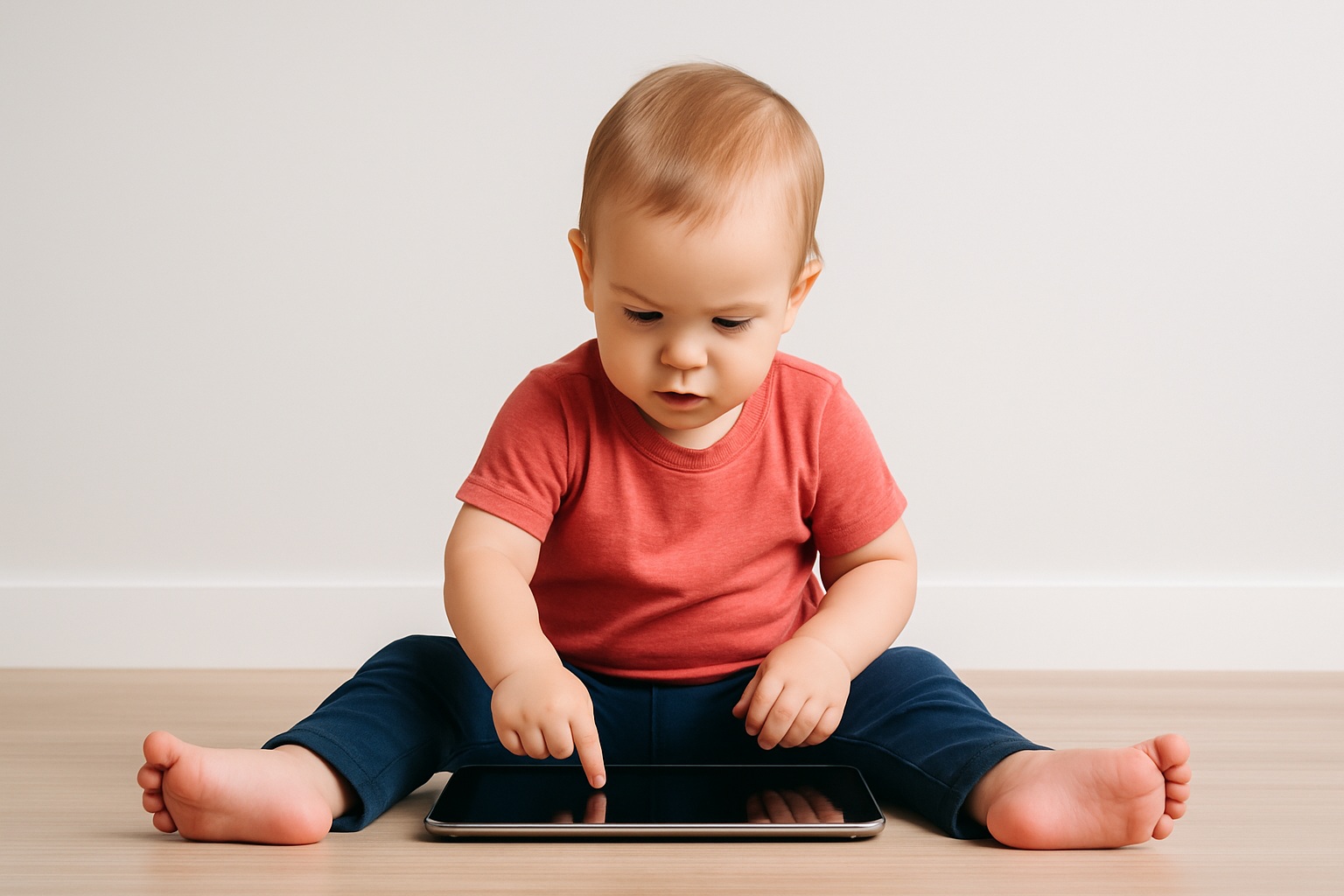
In the digital age, screens are everywhere—from smartphones and tablets to smart TVs and educational apps. For many parents, managing a toddler’s screen time is a daily dilemma. But what does the science actually say? Longitudinal studies tracking toddlers over time offer critical insights into how early screen exposure affects cognitive and language development.
Rising Screen Use Among Toddlers
According to recent data from the World Health Organization (WHO) and American Academy of Pediatrics (AAP), children under two years old are increasingly exposed to digital devices—often exceeding the recommended limit of no screen time before 18–24 months (except for video chatting).
A 2020 study published in JAMA Pediatrics found that toddlers aged 12–36 months in the U.S. averaged 2–3 hours of screen time per day, well above expert recommendations.
Cognitive Development: What the Research Shows
Several longitudinal studies suggest that heavy screen exposure before age 3 may be linked to slower cognitive development. Key findings include:
- Reduced executive functioning: High screen time is associated with poorer impulse control, attention span, and working memory in early childhood.
- Delayed problem-solving skills: Toddlers who spend more time with screens may have fewer opportunities for real-world exploration and hands-on play, both of which are critical for developing thinking skills.
- Lower school readiness: A study from the University of Calgary (2019) found that each additional hour of screen time at age 2 predicted lower scores in developmental screening at age 3.
Language Development and Screen Exposure
Language learning is highly interactive—and that’s where screens often fall short. Longitudinal research has highlighted:
- Fewer verbal exchanges: Passive screen time reduces the amount of back-and-forth conversation that toddlers need to develop vocabulary and grammar.
- Delayed expressive language: Studies link higher screen use before age 3 with slower development in speaking and word usage.
- Type of content matters: Educational shows watched together with an adult (co-viewing) have less negative impact, and sometimes show mild benefits.
Moderators and Protective Factors
It’s not all black-and-white. Research shows that the impact of screen time depends on:
- Content quality: Interactive, age-appropriate programs are better than fast-paced entertainment.
- Parental involvement: Co-viewing and discussing content supports learning and language.
- Overall environment: Toddlers in rich language environments (books, conversation, play) are less negatively affected by moderate screen exposure.
Recommendations from Experts
Based on longitudinal and cross-sectional studies, pediatric experts recommend:
- No screen time for children under 18 months (except video chat)
- 18–24 months: Limit to high-quality content with adult co-viewing
- 2–5 years: No more than 1 hour per day of high-quality programming
- Prioritize play, reading, and face-to-face interaction
Conclusion
Longitudinal studies reveal that excessive screen exposure in toddlerhood can have lasting effects on cognitive and language development. While not all screen time is harmful, the key lies in quality, context, and balance. For parents, fostering rich, interactive, real-world experiences remains the most powerful way to support a child’s brain development in the early years.

© Babyment. All Rights Reserved. 