

Digital Milestones: How to Track Healthy Tech Use in Toddlers
Babyment
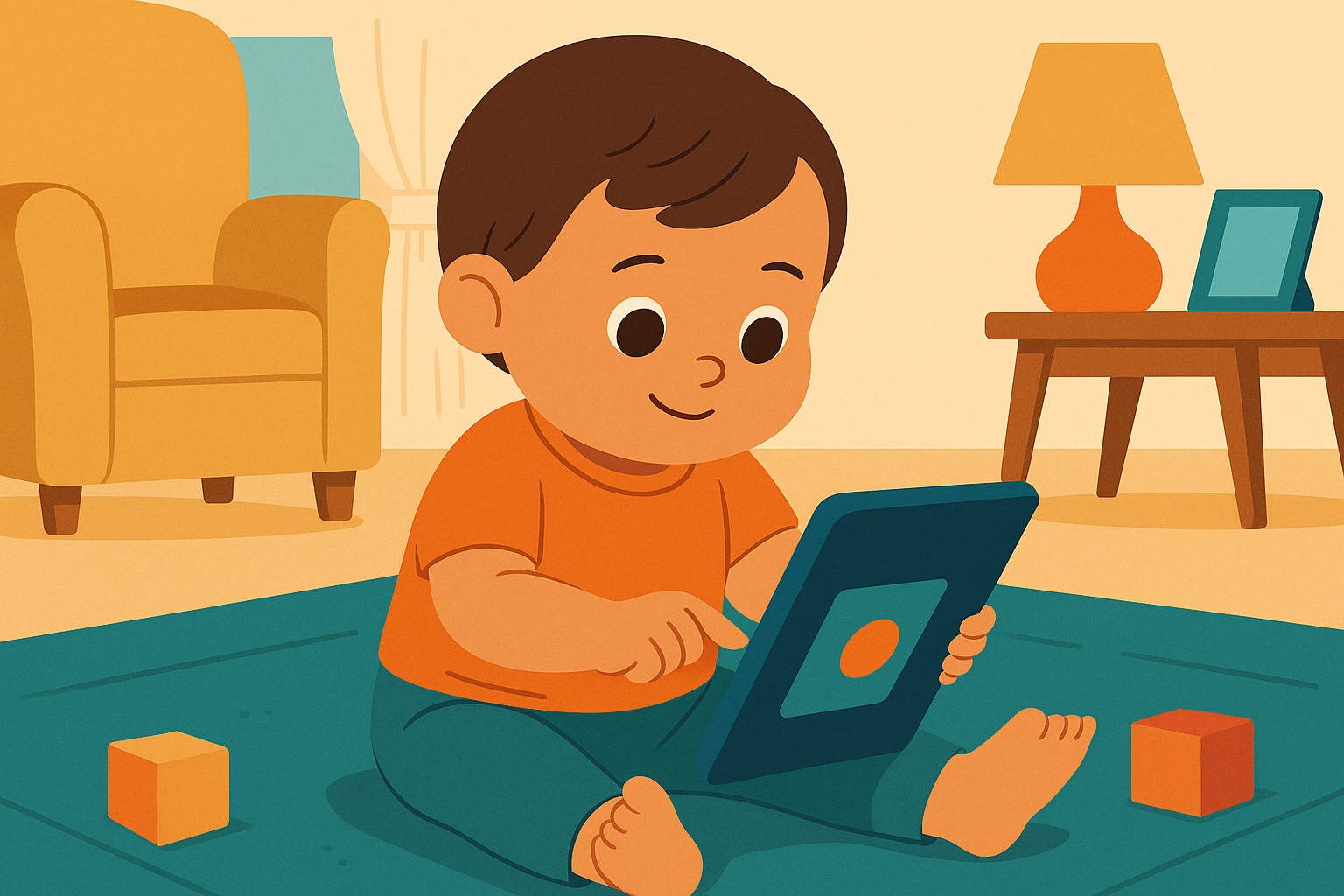
In a world where digital devices are everywhere, even the youngest children are growing up surrounded by screens. While technology can offer educational value, excessive or unstructured use during the toddler years can interfere with crucial brain development, social skills, and emotional regulation. This article explores how to support healthy tech use in toddlers, what signs to watch for, and practical tools parents can use to set boundaries.
Why Screen Exposure Matters in Early Childhood
Between ages 1 and 3, a child’s brain develops rapidly, forming the foundations for language, emotional self-control, and cognitive flexibility. During this time, toddlers learn best through active play, exploration, and responsive interactions with caregivers. Passive screen time may displace these important experiences.
According to the World Health Organization and the American Academy of Pediatrics (AAP):
- Under 18 months: Avoid screen time except for video calls.
- 18–24 months: If introduced, screen use should be high-quality and co-viewed with an adult.
- 2–5 years: Limit screen use to 1 hour per day of supervised, high-quality content.
Digital Milestones: What Healthy Use Looks Like
Just like walking or talking, digital use has developmental “milestones” too. Healthy use in toddlers includes:
- Watching with an adult and responding to questions or prompts
- Using technology to engage (e.g., naming colors or animals on screen)
- Willingness to transition away from screens without major meltdowns
- Plenty of off-screen time spent in physical play, outdoor exploration, and pretend play
Red Flags of Unhealthy Tech Use
Screen time may be problematic if you notice:
- Frequent tantrums when the screen is turned off
- Delays in speech, eye contact, or social interaction
- Preference for screens over playing, reading, or interaction
- Sleep disturbances or short attention span
- Using devices to soothe all emotional distress (“digital pacifier”)
Practical Tools for Healthy Tech Habits
1. Create a Family Media Plan
Tools like the AAP’s Family Media Plan help families define screen time rules by age, time of day, and activity type. Consistency is key.
2. Use Parental Controls and Timers
Most apps and devices allow screen time limits, age filters, and shutoff timers. Use them to reduce negotiation and build predictability.
3. Schedule Screen-Free Zones
- Meals, bedtime routines, and car rides are great times to go tech-free
- Replace screens with books, songs, puzzles, or interactive toys
4. Model Balanced Use
Children learn by watching adults. Narrate your own tech use with intention (“I’m checking the weather so we know what to wear”) and avoid mindless scrolling around your toddler.
5. Focus on Co-Viewing
Watching together and talking about what’s on screen turns passive viewing into an active learning opportunity.
When to Seek Support
If screen time seems to be interfering with sleep, behavior, speech, or play — or if you’re struggling to set limits — consult your child’s pediatrician or a child development specialist. Early intervention can help recalibrate routines before patterns become harder to break.
Conclusion
Technology is part of modern childhood, but how it’s used makes all the difference. By watching for developmental cues and creating mindful tech routines, parents can ensure digital tools enhance — rather than replace — the rich learning experiences toddlers need to thrive.
FAQ
Is screen time always bad for toddlers?
No. High-quality, interactive content — especially when watched with a caregiver — can support learning in small amounts. The problem is excessive or unsupervised use.
How can I reduce screen time without constant battles?
Use timers, offer attractive alternatives, keep routines consistent, and give toddlers a 5-minute warning before turning off the screen.
Do educational apps really help toddlers learn?
Only when used with an adult to guide and reinforce the content. On their own, most apps offer limited educational value for toddlers.

© Babyment. All Rights Reserved. 