

Discipline Without Damage: Evidence Based Approaches to Behavior Challenges
Babyment
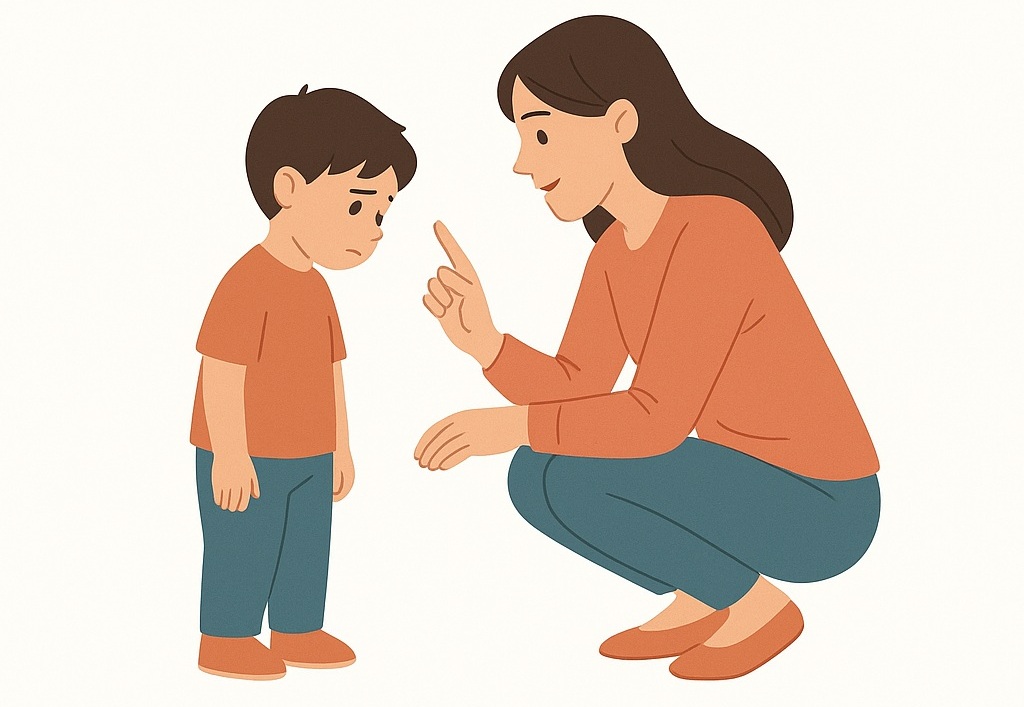
Focusing on positive discipline backed by child psychology research
Discipline is one of the most misunderstood aspects of parenting. Many assume it means punishment, but in reality, discipline stems from the Latin word disciplina, meaning to teach. Modern child psychology backs a shift away from harsh punishments toward positive, respectful discipline that teaches life skills—without causing emotional harm.
This approach isn’t about being permissive or letting children get away with bad behavior. Instead, it’s about setting firm, respectful boundaries that help children learn self-regulation and responsibility.
The Science Behind Positive Discipline
Neuroscience and developmental psychology show that a child’s brain—especially the areas responsible for self-control and empathy—is still developing well into adolescence. Harsh discipline (like yelling, spanking, or shaming) activates the child’s stress response system, increasing levels of cortisol and adrenaline, which can:
- Undermine trust in the parent-child relationship
- Impair emotional regulation
- Increase aggression or withdrawal
- Contribute to anxiety or low self-esteem
In contrast, positive discipline fosters healthy development by focusing on teaching, guiding, and connection.
What Is Positive Discipline?
Positive discipline is an evidence-based approach that emphasizes:
- Mutual respect between parent and child
- Problem-solving and collaboration
- Clear expectations and consistency
- Connection before correction
- Logical and natural consequences instead of arbitrary punishment
This model aligns with frameworks like Authoritative Parenting, which studies link to better academic performance, emotional health, and social skills in children.
Effective Positive Discipline Strategies
1. Set Clear Boundaries
Children feel more secure when they know what is expected. Rules should be simple, consistent, and age-appropriate.
2. Validate Feelings First
Before correcting behavior, acknowledge your child’s feelings: “I see you’re frustrated because your tower fell.”
3. Use Logical Consequences
Instead of punishing a child for throwing toys, remove the toy and say, “You can try again later when you’re ready to use it safely.”
4. Offer Choices
Give children limited options: “Would you like to put on your shoes first or your jacket?”
5. Model Self-Regulation
Children learn most by example. Show them how to handle frustration calmly and respectfully.
What Research Says
- A 2020 review in Pediatrics found that positive discipline reduces behavioral problems and improves mental health outcomes in children.
- The American Academy of Pediatrics strongly discourages physical punishment, citing links to increased aggression and poor parent-child relationships.
- Studies show that discipline grounded in connection and empathy is more effective in fostering long-term cooperation than fear-based tactics.
Is It Too Soft?
One common concern is whether positive discipline is “too soft.” But research shows that kindness and firmness can coexist. When boundaries are held with empathy, children are more likely to listen—not out of fear, but from trust and respect.
Conclusion
Discipline without damage is not only possible—it’s powerfully effective. Backed by science and rooted in connection, positive discipline teaches children the skills they need to grow into emotionally healthy, responsible adults. When parents guide rather than punish, they raise kids who understand limits, feel safe, and learn from their mistakes.
FAQ
Q1: What’s the difference between discipline and punishment?
Discipline teaches. Punishment hurts. Discipline helps children understand behavior and make better choices.
Q2: Does positive discipline work for toddlers?
Yes. While toddlers are still learning impulse control, respectful boundaries and redirection work better than timeouts or threats.
Q3: What if my child keeps misbehaving?
Look beneath the behavior. Is the child hungry, tired, overwhelmed, or seeking connection? Behavior is communication.
Q4: Is it ever okay to raise your voice?
We all slip sometimes. The key is repair—apologize, reconnect, and model healthy emotional expression.

© Babyment. All Rights Reserved. 