

Parenting Without Punishment: Building Respectful and Resilient Kids
Babyment
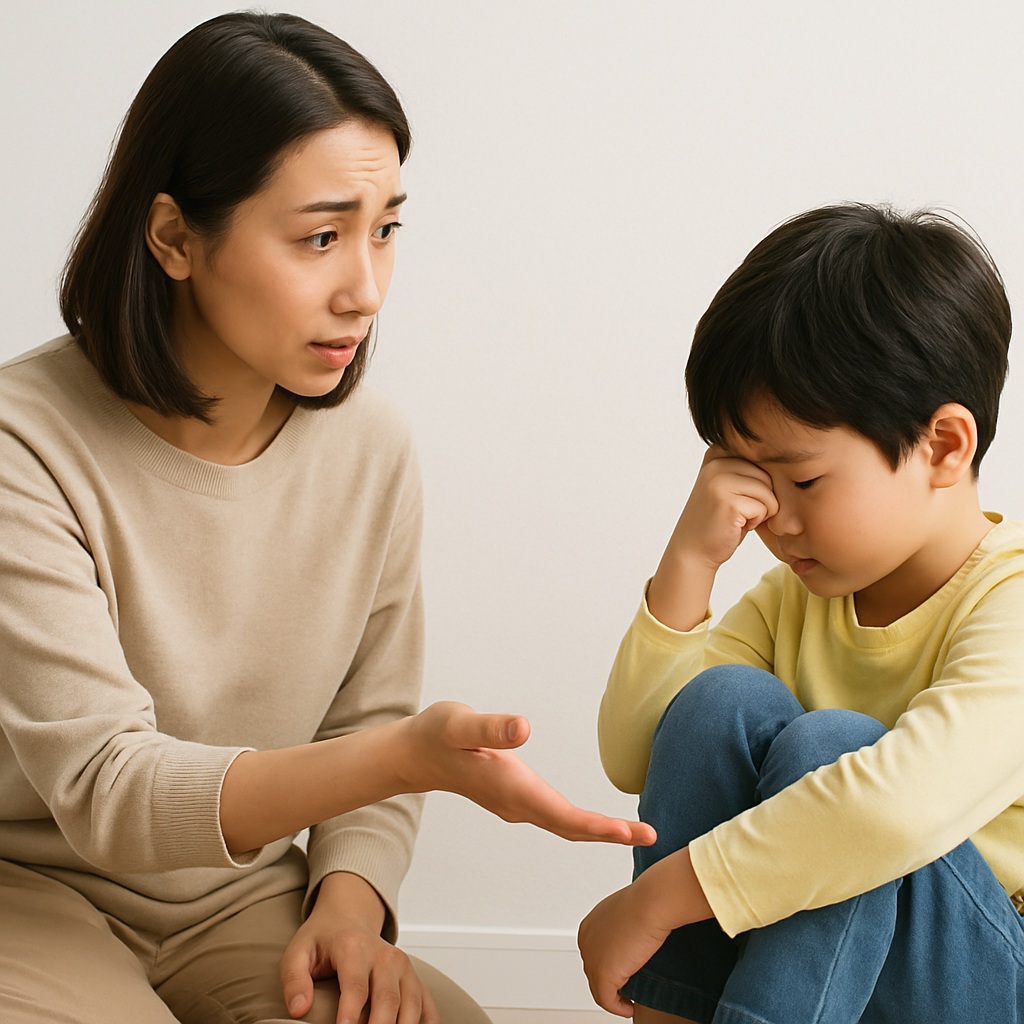
For generations, punishment has been the default method for disciplining children. Time-outs, taking away privileges, yelling, or even physical punishment were often seen as necessary to teach right from wrong. But a growing number of parents in 2025 are choosing a different path — one built on connection, understanding, and long-term growth.
Welcome to parenting without punishment. It's not about being permissive or letting kids “get away” with everything. Rather, it's about guiding behavior through empathy, structure, and respectful communication. And studies show it works — helping children develop self-discipline, emotional regulation, and a strong moral compass.
Why Parents Are Moving Away from Punishment
Punishment might stop bad behavior in the short term, but it doesn't teach better behavior in the long term. Children often learn to obey out of fear rather than understanding. Over time, this can erode trust and increase anxiety, resentment, or rebellion.
In contrast, non-punitive parenting focuses on teaching rather than controlling. It views mistakes as learning opportunities and builds a stronger parent-child relationship — which is the foundation for all healthy discipline.
What Parenting Without Punishment Looks Like
1. Set Clear Boundaries with Respect
Children need boundaries — they help kids feel safe and secure. But instead of threats (“If you do that again, no screen time for a week”), try calmly stating limits and the reasons behind them: “We don't hit because it hurts. Let's talk about what made you angry.”
2. Understand the Root Cause of Misbehavior
Every behavior is a form of communication. Is your child tired? Hungry? Overstimulated? Struggling with a transition? Instead of reacting to the behavior itself, pause and ask: “What is my child trying to express?”
3. Teach Emotional Regulation
Kids need help identifying and managing their emotions. When a meltdown happens, stay calm. Validate their feelings — “It's okay to be upset” — and coach them through calming techniques like deep breathing, taking space, or expressing themselves with words or drawings.
4. Use Natural and Logical Consequences
Instead of arbitrary punishments, allow children to experience the natural outcomes of their choices. For example, if they forget their homework, don't rush it to school — let them face the teacher's response. Logical consequences are directly related to the behavior and feel fair, not punitive.
5. Model the Behavior You Want to See
Children are always watching. If we yell, threaten, or shame, they will learn to do the same. But if we stay calm under pressure, apologize when we make mistakes, and speak with respect — they'll absorb those habits too.
6. Repair After Conflict
Every parent-child relationship will have moments of tension. What matters most is the repair. After an argument or misstep, reconnect with your child. Say, “I'm sorry I raised my voice. I want us to work together. How can we fix this?”
7. Involve Children in Problem Solving
Rather than handing down rules, involve your child in creating solutions. “We're having trouble getting out the door on time. What do you think could help?” When kids have a say, they feel empowered and take more ownership of their behavior.
The Benefits of Non-Punitive Parenting
- Stronger Connection: Your child feels safe, heard, and respected — which fosters mutual trust and cooperation.
- Better Emotional Regulation: Children learn to manage their feelings instead of reacting with aggression or shutdowns.
- Internal Motivation: Instead of relying on fear or reward, kids make good choices because they understand and care.
- Long-Term Life Skills: Problem-solving, empathy, and communication are essential for success in school, work, and relationships.
Does It Mean No Consequences?
No — parenting without punishment isn't parenting without discipline. Discipline means “to teach,” not “to punish.” Consequences still exist, but they are fair, related to the behavior, and come from a place of guidance, not control.
For example, instead of saying, “You spilled your drink, now go to your room,” try, “Spills happen — let's clean it up together.” You're teaching accountability while maintaining connection.
What About When Nothing Works?
Non-punitive parenting doesn't mean you'll never feel frustrated. It's okay to take a break, step away, or seek support. If your child is struggling with severe behavior issues, work with a counselor or child development specialist.
Remember — your child isn't giving you a hard time; they're having a hard time. Your calm, consistent presence is often the biggest factor in helping them thrive.
Final Thoughts
Parenting without punishment is not about being perfect — it's about being present. It's about choosing connection over control, curiosity over correction. And in doing so, we raise children who are not only well-behaved but also emotionally resilient, self-aware, and deeply respectful of themselves and others.
In a world that often rushes to react, choosing patience and empathy is a radical act. But it's one that can transform your family — and your child's future — from the inside out.
Frequently Asked Questions (FAQ)
- Is punishment ever okay?
Occasional consequences are natural, but harsh or repeated punishment often backfires. Focus instead on teaching, modeling, and guiding behavior with empathy. - Will kids walk all over me if I don't punish?
Not if you set firm boundaries with kindness and follow through consistently. Respectful discipline is not weak — it's incredibly effective. - What age can I start using this approach?
As early as toddlerhood. Even young children can learn empathy, cooperation, and emotional regulation with the right support.

© Babyment. All Rights Reserved. 