

Parenting Without Yelling: The Rise of Gentle Discipline in Singapore
Babyment
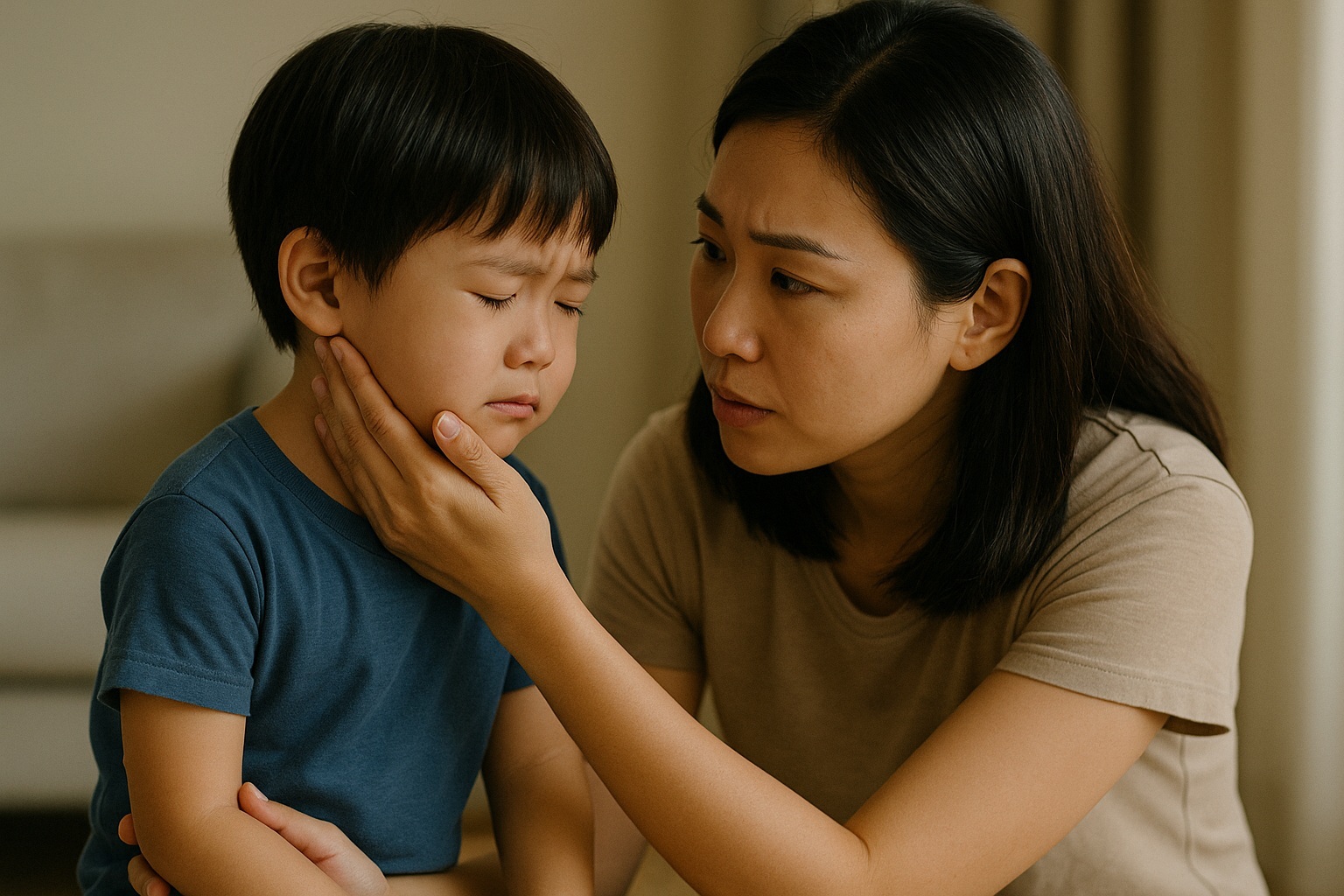
Parenting Without Yelling: The Rise of Gentle Discipline in Singapore
It's 2025, and a growing number of parents in Singapore are choosing a radically different way to discipline their children — one that involves fewer raised voices and more empathy. Known as "gentle discipline," this approach focuses on emotional connection, respect, and consistent boundaries, challenging the old notion that shouting equals control.
From TikTok parenting influencers to workshops at community centers, the gentle discipline movement is gaining traction, especially among millennial and Gen Z parents who want to break the cycle of harsh discipline they experienced growing up.
Why Parents Are Rethinking Yelling
For generations, yelling has been the default response to defiance, tantrums, or messy behavior. But more parents are asking: at what cost?
Studies show that frequent yelling can lead to:
- Increased anxiety and insecurity in children
- Damaged parent-child trust
- Higher risk of aggressive behavior
- Poor emotional regulation skills
"When you shout, your child may obey out of fear — not understanding," says Amelia Goh, a parenting coach based in Singapore. "Gentle discipline teaches, not punishes. The goal is long-term growth, not short-term compliance."
What Is Gentle Discipline?
Gentle discipline is not the same as permissiveness. It involves setting firm boundaries while treating children with respect and empathy. At its core, it's about:
- Understanding the root of behavior, not just reacting to it
- Offering choices and consequences instead of threats
- Validating emotions, even during meltdowns
- Using calm, clear communication
This approach is inspired by parenting frameworks like Positive Discipline, Respectful Parenting, and Conscious Parenting — all of which are gaining popularity in parenting workshops across Singapore.
Singapore Parents Share Their Journey
"I used to yell constantly," says Jun Yi, father of a 4-year-old. "Until one day, my daughter flinched when I raised my voice. I realised I was modeling the very behavior I wanted her to avoid."
He and his wife joined a gentle parenting course at their local community center. "Now, when she throws a tantrum, I kneel down, acknowledge her feelings, and talk it out. It takes longer, but the results are amazing — fewer meltdowns, and she trusts me more."
Gentle Discipline in Action: Practical Strategies
1. Pause Before You React
Take a breath. Walk away if needed. Responding calmly sets the tone and gives your child a model of emotional control.
2. Name the Emotion
Help your child label what they're feeling: "You're really upset because we have to leave the playground." This builds emotional intelligence.
3. Set Clear and Consistent Boundaries
Being gentle doesn't mean being vague. State the rule and consequence calmly: "We don't hit. If you hit, the toy goes away for now."
4. Offer Choices Within Limits
Give autonomy without losing structure: "Would you like to brush your teeth before or after pajamas?"
5. Reflect After the Storm
Once calm returns, talk about what happened and what can be done differently next time. This turns conflict into a learning moment.
Yelling Happens — And That's Okay
Even the most patient parent loses it sometimes. Gentle parenting doesn't demand perfection. What matters most is repairing the bond when things go wrong:
"I'm sorry I shouted. I was feeling frustrated. Let's talk about what we can do next time."
This type of honest repair teaches accountability and reassures your child that love remains even in difficult moments.
Final Thoughts: Discipline With Dignity
As Singaporean parents evolve with the times, gentle discipline offers a powerful path forward — one rooted in connection, not control. By replacing yelling with emotional coaching, we're not just changing behavior — we're nurturing emotionally healthy children who feel seen, safe, and loved.
In the end, the goal isn't to control our children — it's to guide them, with kindness and consistency.

© Babyment. All Rights Reserved. 