

Responsive Feeding: Ending the Clean Plate Club
Babyment
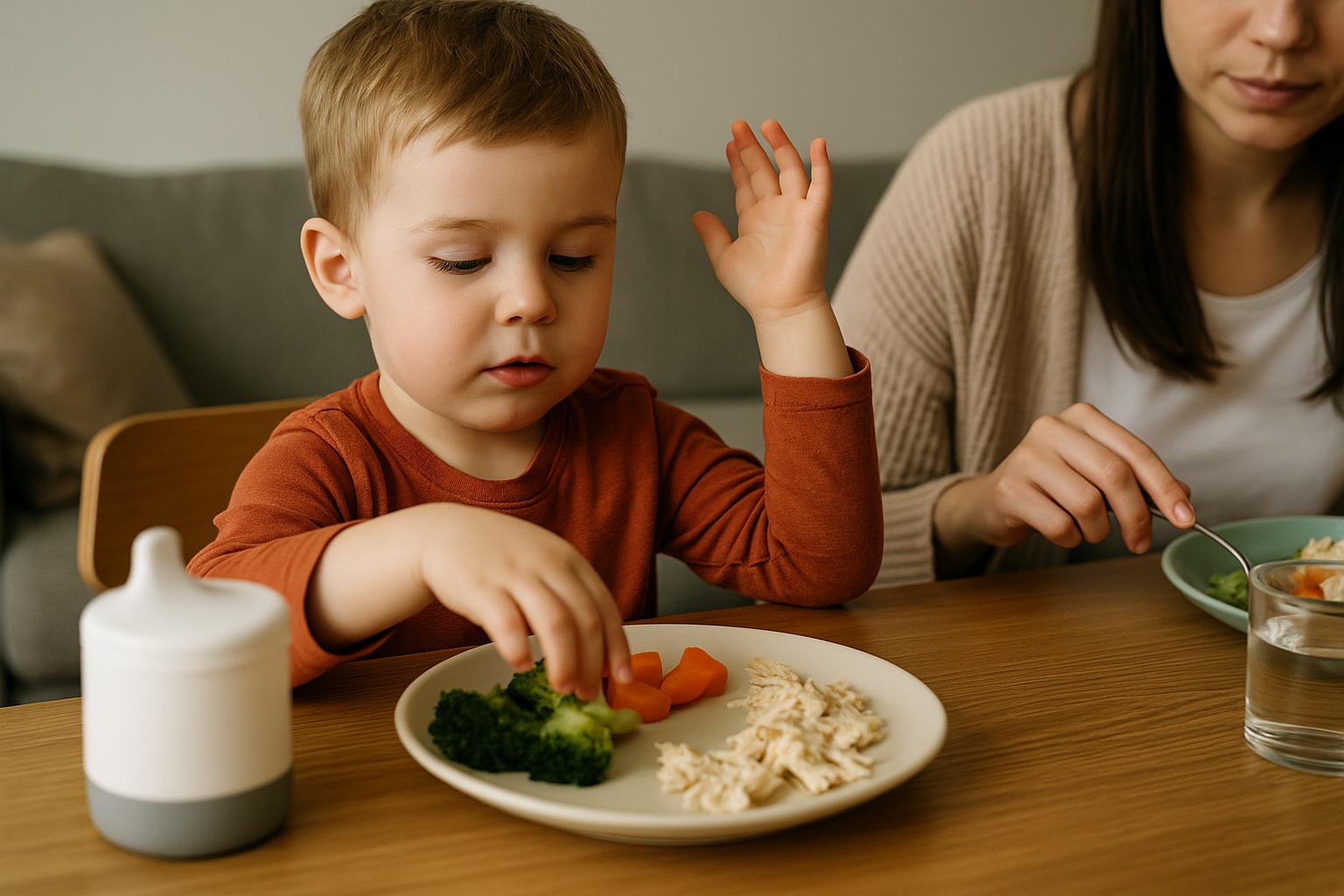
Mealtimes in childcare and at home are often filled with well-intentioned phrases like “Just one more bite” or “Finish your food.” However, a growing body of research suggests that these practices may be doing more harm than good. Enter responsive feeding—an approach that honors children’s internal cues of hunger and fullness, promoting healthy eating habits for life.
What Is Responsive Feeding?
Responsive feeding is a caregiving approach where adults recognize, interpret, and respond appropriately to a child’s hunger and satiety cues. It contrasts with pressuring children to eat, restricting certain foods, or using food as a reward.
This approach is grounded in the idea that children are born with an innate ability to self-regulate food intake, which can be disrupted by controlling or coercive feeding behaviors.
Why Ditch the “Clean Plate Club”?
- Overeating Risk: Encouraging children to eat past fullness can override their natural satiety cues and increase the risk of childhood obesity.
- Negative Food Associations: Pressuring kids to eat can lead to mealtime anxiety or aversions to healthy foods.
- Reduced Autonomy: Children may feel disempowered or disconnected from their own bodies’ signals.
What the Research Says
Studies published in journals such as Pediatrics and the Journal of Nutrition Education and Behavior have shown that:
- Children allowed to self-regulate their intake have lower BMI scores over time.
- Responsive feeding is associated with higher fruit and vegetable intake and reduced picky eating.
- Parents and caregivers who model positive eating behaviors (without pressure) foster more adventurous and mindful eaters.
Responsive Feeding in Daily Childcare Settings
For caregivers and educators, incorporating responsive feeding into daily routines involves:
- Offering balanced meals and snacks at regular intervals, without forcing consumption
- Creating a calm, social eating environment without distractions
- Using neutral language around food (e.g., avoid saying “you must eat your broccoli to get dessert”)
- Allowing children to say “I’m full” without pressure or judgment
Practical Tips for Parents and Childcare Providers
- Trust the child’s appetite—it varies day to day.
- Respect “no” when a child signals fullness or disinterest.
- Offer a variety of foods without forcing a “taste.”
- Avoid labeling foods as “good” or “bad.”
- Encourage participation in food prep to build familiarity and interest.
Common Myths Debunked
- “They’ll starve if I don’t make them eat.” – Children typically make up for lower intake at one meal by eating more at another.
- “They only want snacks.” – When pressured or restricted, children often crave snack foods for autonomy. Offer structure, not control.
Conclusion
Responsive feeding is more than a trend—it’s an evidence-based approach that respects a child’s ability to listen to their body. By letting go of outdated practices like the “clean plate club,” caregivers can help raise children who trust their hunger, develop healthy relationships with food, and reduce long-term health risks.

© Babyment. All Rights Reserved. 