

The Neuroscience of Tantrums: Why Your Child Cannot Just Calm Down
Babyment
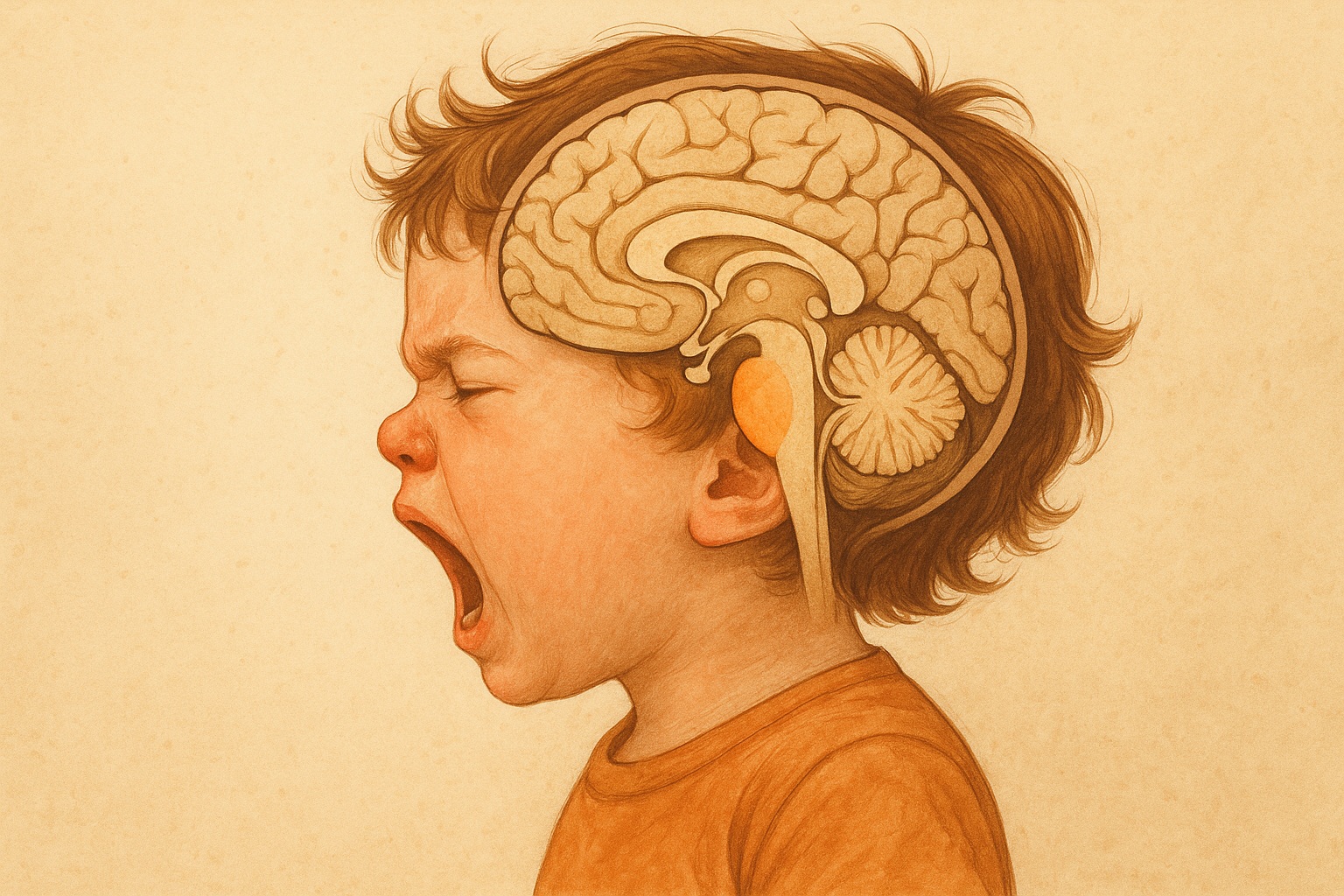
“Stop crying!” “Calm down now!” While these commands may seem reasonable to an adult, they are often impossible for a young child in the middle of a tantrum. That’s because tantrums aren’t about bad behavior—they are about a developing brain that’s still learning how to regulate overwhelming emotions. Understanding the neuroscience behind tantrums helps caregivers respond more effectively and compassionately.
What Happens in the Brain During a Tantrum?
A tantrum is the result of a mismatch between high emotional arousal and underdeveloped self-regulation systems. The brain has three key parts involved in tantrums:
- Amygdala: This is the brain’s alarm system. When a child is overwhelmed—by frustration, fatigue, hunger, or fear—the amygdala triggers a “fight-or-flight” response.
- Prefrontal Cortex: This region is responsible for impulse control, decision-making, and emotional regulation. However, it doesn’t fully mature until the mid-20s. In young children, it’s still developing and often unable to override the amygdala’s alarm.
- Hippocampus: This part links emotions to memories and context. During a tantrum, its role may be limited if the child’s distress overwhelms memory processing.
As a result, when a child is in meltdown mode, their brain is literally flooded with stress hormones like cortisol. Rational thinking and calming strategies go offline. That’s why telling a child to “calm down” in that moment often doesn’t work—they don’t yet have the neurological wiring to do so on their own.
Common Triggers of Tantrums
While the causes vary, tantrums typically stem from unmet needs or overwhelming circumstances. Common triggers include:
- Fatigue or hunger
- Changes in routine
- Overstimulation (e.g., loud environments or too many choices)
- Frustration from not being able to communicate or do something independently
- Desire for autonomy during the toddler stage (“I do it myself!”)
How to Respond: Strategies That Work With the Brain
1. Co-Regulate Before You Educate
Children learn to calm down by experiencing calm from a caregiver. When you model emotional regulation, you help your child’s nervous system return to baseline. Use a soft tone, stay physically close, and show empathy. Say things like:
- “You’re having a really big feeling. I’m here with you.”
- “I can see you’re upset. Let’s take a breath together.”
2. Don’t Try to Reason During the Storm
When your child is mid-tantrum, logical reasoning won’t land. Wait until their brain is calm—often signaled by quieter breathing and less crying—before talking about better choices or problem-solving.
3. Label Emotions
Research shows that labeling emotions (“You’re feeling angry because we can’t go to the playground right now”) helps the brain begin to process feelings. This builds emotional literacy and long-term regulation skills.
4. Stay Consistent and Predictable
Structure helps reduce tantrums. Set clear routines and limits so your child knows what to expect. Consistency reduces anxiety and helps the brain feel safe.
5. Take Care of Yourself Too
It’s hard to be calm when you’re overwhelmed. Caregivers benefit from self-regulation tools like deep breathing, taking a short break, or having support from another adult. A calm parent is a child’s best regulation partner.
When to Seek Help
Tantrums are a normal part of development, especially between ages 1 and 4. However, consult a pediatrician or child psychologist if:
- Tantrums are frequent and intense beyond age 5
- Your child hurts themselves or others during episodes
- You feel concerned or overwhelmed about your child’s emotional regulation
Conclusion
Tantrums aren’t a sign of “bad behavior”—they’re a signal that your child’s brain is still under construction. By understanding what’s happening neurologically and responding with empathy, you’re not just stopping a meltdown. You’re helping build the foundation of emotional intelligence, one moment at a time.
FAQ
Why do toddlers have more tantrums than older kids?
Toddlers have less developed language skills and immature prefrontal cortices, making it harder to express feelings or regulate them.
Should I ignore a tantrum?
Ignoring a child’s emotions can make them feel unsafe. It's better to stay calm, validate their feelings, and offer gentle support.
Are tantrums a sign of ADHD or autism?
Occasional tantrums are normal. However, if tantrums are extreme, frequent, and paired with other behavioral signs, it may be worth seeking a developmental evaluation.

© Babyment. All Rights Reserved. 