

The Science of Tantrums: What is Happening in Your Toddler Brain
Babyment
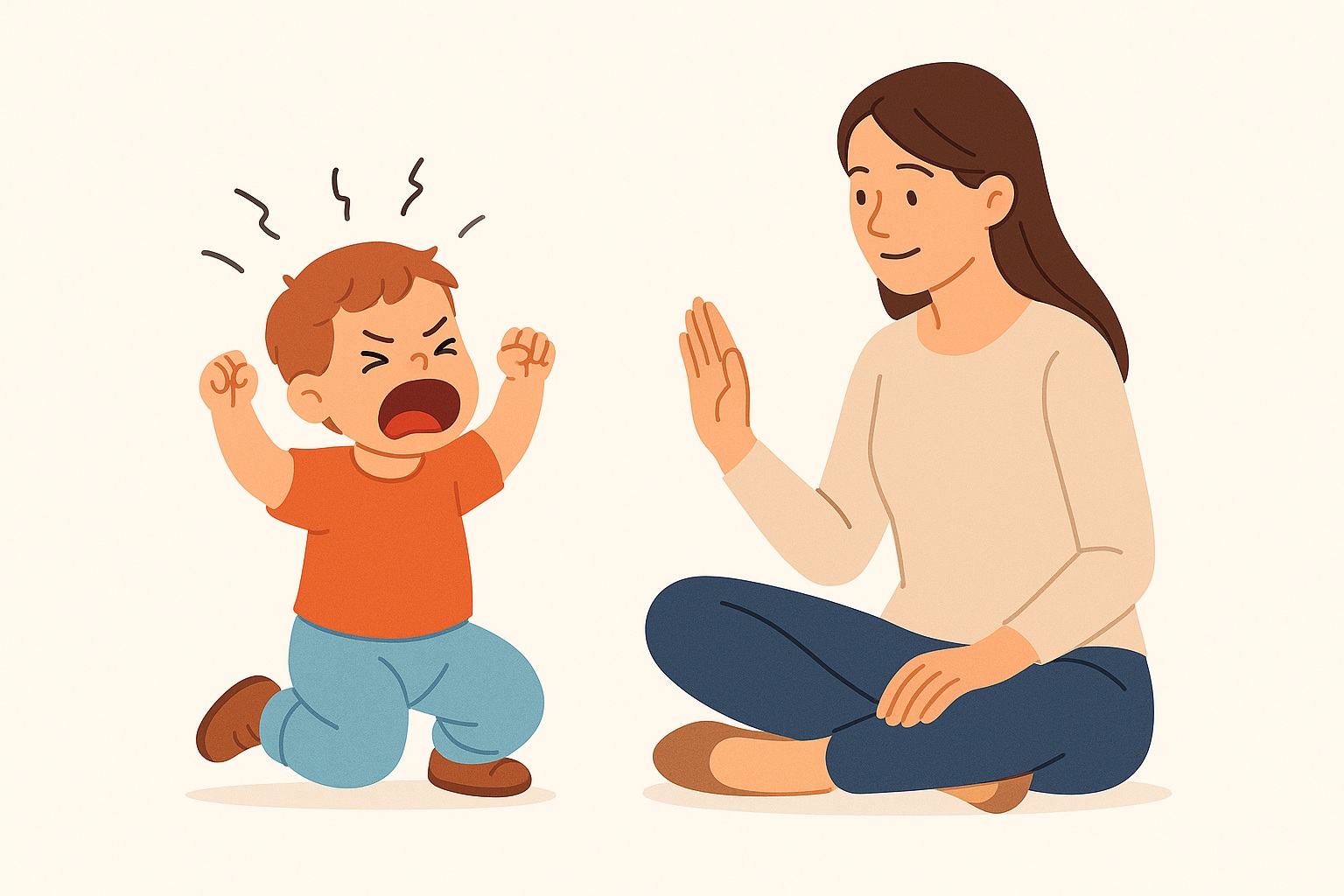
Neuroscience behind emotional regulation and co-regulation strategies
Tantrums are a normal—and often exhausting—part of toddlerhood. While they may seem like irrational outbursts, tantrums are actually rooted in brain development. Understanding the science behind these emotional storms can help parents respond with empathy, patience, and effective co-regulation strategies.
What Is a Tantrum, Really?
A tantrum is an intense emotional reaction in young children, usually characterized by crying, screaming, flailing, or even hitting. These outbursts are typically triggered when a child:
- Can't express themselves clearly
- Doesn't get what they want
- Feels overwhelmed or overstimulated
- Is tired, hungry, or sick
But underneath these triggers is something deeper: a developing brain still learning how to manage big feelings.
The Neuroscience of a Toddler's Brain
A toddler's brain is a work-in-progress. Key regions involved in tantrums include:
1. Amygdala: The Alarm Center
The amygdala is responsible for processing emotions like fear, anger, and frustration. In toddlers, the amygdala is highly reactive. When something feels wrong—even a broken cookie—it triggers a fight-or-flight response.
2. Prefrontal Cortex: The Logic Center (Still Under Construction)
The prefrontal cortex is in charge of impulse control, decision-making, and emotional regulation. But in toddlers, this region is immature and still developing. It won't fully mature until their mid-20s!
3. Limbic System: Emotional Processing
The limbic system, which includes the amygdala, is often in overdrive in toddlers. It floods their bodies with stress hormones like cortisol, making them more reactive and less able to calm down.
Why Logic Doesn't Work During a Tantrum
During a tantrum, a toddler's brain is essentially hijacked by emotion. Their prefrontal cortex (which helps with reasoning and self-control) “goes offline,” while the emotional centers take over.
This is why saying things like “Calm down” or “Use your words” rarely works in the heat of the moment. The child quite literally can't access that part of their brain.
The Role of Co-Regulation
Since toddlers can't self-regulate well yet, they rely on co-regulation—when a calm, responsive adult helps them return to emotional balance.
Effective co-regulation includes:
- Staying calm: Your calm presence helps signal safety to the child's brain.
- Offering comfort: A hug, gentle tone, or soothing voice can help de-escalate a meltdown.
- Labeling feelings: Saying “You're mad because you wanted the toy” helps toddlers learn to identify and eventually manage emotions.
- Maintaining boundaries: Being firm but kind teaches toddlers that big emotions are okay, but hitting or screaming isn't.
What Science Says Works Best
- Emotion coaching—naming and validating feelings—helps toddlers feel seen and understood.
- Predictable routines lower stress by giving toddlers a sense of control.
- Mindful parenting reduces parental stress and models calm behavior.
- Physical closeness (like holding or sitting nearby) can calm the nervous system through coregulation.
When to Worry About Tantrums
Tantrums are normal between ages 1 and 4. However, consult a pediatrician or child psychologist if:
- Tantrums are violent or last longer than 15–20 minutes
- Your child frequently hurts themselves or others
- You feel overwhelmed or unsafe during outbursts
- There are other concerns with communication or development
Conclusion
Tantrums may be loud, chaotic, and frustrating—but they're also a sign that your child's brain is growing and learning how to process the world. When parents respond with calm, understanding, and structure, they're not just ending a tantrum—they're wiring their child's brain for lifelong emotional resilience.
FAQ
Q1: Should I ignore tantrums?
Not entirely. While ignoring minor attention-seeking behaviors is fine, your presence and calm response help children feel safe and learn to regulate.
Q2: Will comforting a tantrumming child spoil them?
No. Comforting teaches them that emotions are safe to express and helps them develop emotional intelligence.
Q3: What if I lose my temper during a tantrum?
It happens. Apologize, take a breath, and try again. Modeling repair is a powerful lesson in itself.
Q4: How can I prevent tantrums?
Consistent routines, offering limited choices, and preparing your child for transitions can reduce triggers.

© Babyment. All Rights Reserved. 