

Why Parents Are Turning Their Living Rooms Into Mini Classrooms
Babyment
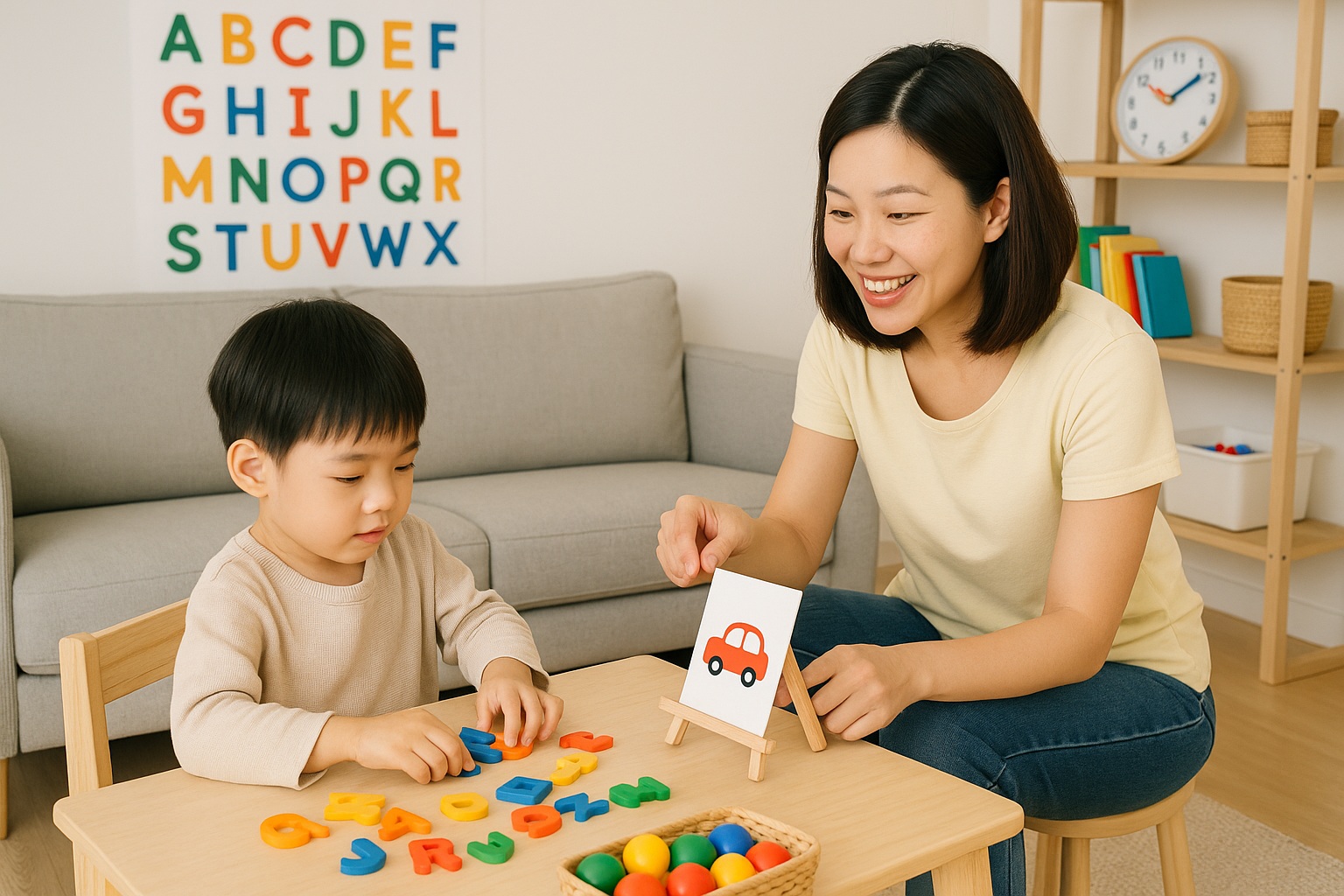
Goodbye, cluttered toy boxes. Hello, alphabet walls and sensory bins. In 2025, more and more parents are transforming their living rooms into mini classrooms—and it's not just a pandemic hangover. It's a full-blown movement.
From DIY learning corners to Montessori-inspired shelves, today's parents are blending home life with early education like never before. But what's driving this shift—and should you consider doing it too?
Post-Pandemic Habits That Stuck
It started with COVID-19. Lockdowns forced parents to get creative with home learning. But even as preschools reopened, many moms and dads realized: learning at home isn't just doable—it can be powerful, personalized, and even fun.
Fast forward to 2025, and we're seeing playroom Pinterest boards full of alphabet rugs, magnetic boards, and math counters. Home has become a hub for learning, and many families are keeping it that way.
Why Parents Love the "Mini Classroom" Trend
- It encourages intentional play: With organized shelves and curated toys, kids engage in more meaningful activities—think building, sorting, and role play—rather than endless screen time.
- It supports daily routines: Learning zones help kids know what to expect and when. Morning reading? Afternoon craft time? A home setup can create rhythm and predictability.
- It adapts to your child's pace: Unlike traditional classrooms, home learning lets your child revisit a topic or skill until it clicks—without pressure.
What a Mini Classroom Looks Like
You don't need a huge house or fancy setup. Most "mini classrooms" are carved out of a corner or a section of the living room. Here are some common features:
- Low shelves with activity trays or puzzles
- Educational posters and letter charts
- Hands-on materials like counting blocks, crayons, or tactile bins
- Mini desks, reading nooks, or even a mat to define the learning space
Many parents follow Montessori or Reggio Emilia principles, which emphasize independence and child-led exploration. Others blend traditional and modern styles based on their child's interests.
Social Media Is Fueling the Trend
Platforms like TikTok and Instagram are overflowing with "home classroom tours" and budget makeovers. Parents share shelf rotations, toy swaps, and IKEA hacks that make learning fun and beautiful on a budget. And let's face it—seeing another mom's tidy, color-coded book corner makes you want to try it too.
Is It Just Another Pressure Point for Parents?
Some critics argue this trend adds more pressure to already overwhelmed parents—especially moms. The key is to remember: it doesn't have to be perfect. You don't need a Pinterest-worthy setup. Even a basket of themed books and a whiteboard can go a long way.
Mini classrooms aren't about replicating school—they're about making learning part of daily life. The goal is connection, not perfection.
Getting Started: Tips for Your Own Setup
- Start small: Pick one corner or shelf to transform.
- Rotate materials weekly to keep things fresh.
- Use what you have: Plastic containers, stools, and even laundry baskets can become learning tools.
- Let your child help design the space—they'll be more likely to use it!
Final Thought: Home Is the First School
Whether you go all-in or just add a few learning tools to your home, remember: your living room isn't just a lounge. It's a launchpad for curiosity, confidence, and connection. And in 2025, it might just be the smartest classroom around.
FAQs
Q: Do I need a separate room to create a learning space at home?
A: Not at all! Many parents transform a corner of the living room or use portable carts to keep things flexible and space-efficient.
Q: What age group benefits most from a home learning setup?
A: Toddlers to early primary-aged kids benefit the most, especially those in the 2–6 age range. But even older kids appreciate structured, organized learning corners.
Q: What if I don't have time to teach at home?
A: That's okay! The goal isn't to replace school but to integrate playful learning into everyday life—just 15 minutes a day can make a big difference.

© Babyment. All Rights Reserved. 