

Infant Crying and Soothing: The Neuroscience of Comfort
Babyment
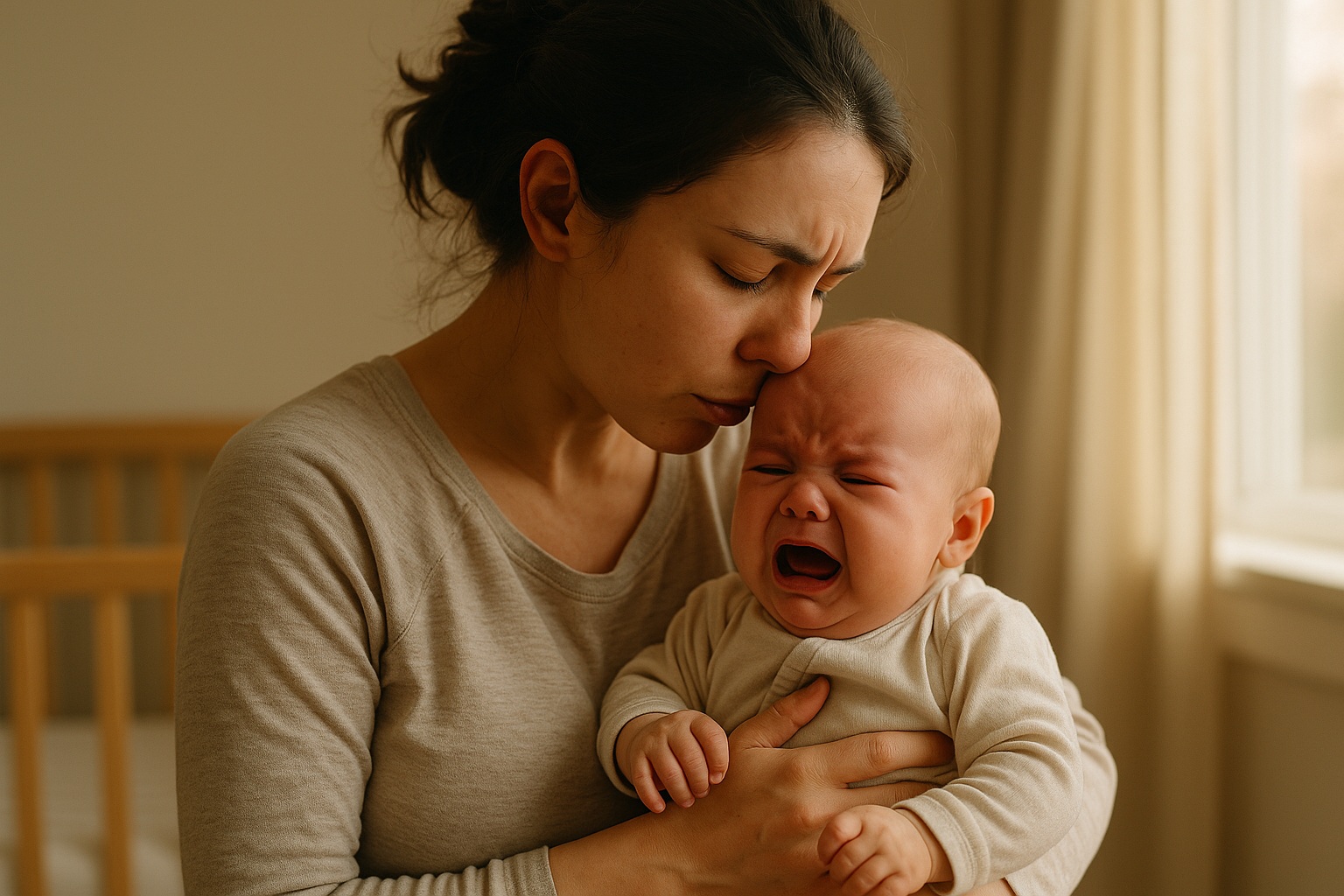
Crying is one of the first ways an infant communicates with the world—but it can also be a major source of stress for new parents. Understanding the neurobiology behind crying and the importance of soothing responses can transform how caregivers respond. This article explores the “purple crying” phase and debunks the myth that comforting a baby too much will ‘spoil’ them.
What Is “Purple Crying”?
The “Purple Crying” phase is a term coined by pediatrician Dr. Ronald Barr to describe a normal developmental period of increased crying in newborns. It usually occurs between 2 weeks and 3–4 months of age.
- P: Peak of crying (often peaks at 6–8 weeks)
- U: Unexpected (crying comes and goes without clear reason)
- R: Resists soothing
- P: Pain-like face (even when baby is not in pain)
- L: Long lasting (can last several hours a day)
- E: Evening crying is more frequent
This phase is normal, temporary, and not harmful to the baby’s development.
The Neuroscience of Soothing
Soothing an infant during episodes of distress is more than a nurturing instinct—it is biologically essential. Brain imaging studies show that nurturing caregiver responses help regulate a baby’s stress response system (HPA axis). This regulation supports healthy brain development, especially in regions like:
- Prefrontal cortex: linked to emotional regulation
- Amygdala: processes fear and stress
- Hippocampus: involved in memory and learning
Soothing Reduces Cortisol
When babies are left to cry for prolonged periods without comfort, their stress hormone cortisol remains elevated. Chronic stress in infancy has been linked to long-term emotional and behavioral issues. Responsive soothing helps return cortisol levels to normal.
Will Soothing Spoil a Baby?
According to the American Academy of Pediatrics and attachment researchers like Dr. Mary Ainsworth, the answer is no. Infants under 6 months do not have the cognitive capacity to manipulate caregivers. Responding to their needs consistently builds trust and security.
Research from attachment theory shows that babies who are consistently soothed form secure attachments. These children are more likely to:
- Have better emotional regulation
- Show greater empathy
- Exhibit fewer behavioral problems
Tips for Soothing a Crying Baby
- Hold and rock the baby gently
- Offer skin-to-skin contact
- Try rhythmic motion (swaying, stroller rides)
- Use white noise or gentle shushing sounds
- Feed if hunger cues are present
- Check for discomfort (wet diaper, temperature)
If none of these strategies work and you feel overwhelmed, it’s okay to place the baby safely in a crib and take a few minutes to calm yourself. Never shake a baby—this can lead to serious injury.
When to Seek Help
While crying is normal, consult your pediatrician if:
- Crying is accompanied by fever, vomiting, or poor feeding
- The baby is inconsolable for long periods daily
- You suspect colic, reflux, or allergies
Conclusion
Crying is not just noise—it's communication. Soothing isn’t spoiling; it’s regulating a baby’s nervous system and helping them feel safe. By understanding the neuroscience of comfort, parents can approach crying with more confidence and compassion—laying the foundation for resilience and emotional health.
FAQ
- What if my baby cries even when I do everything?
- This is common during the “purple crying” period. Your presence still matters. Continue offering comfort, and ensure the baby is safe and fed.
- How long does the purple crying phase last?
- It usually peaks around 6 weeks and improves by 3–4 months of age.
- Can too much crying harm the baby’s brain?
- Prolonged, unsoothed crying that causes elevated stress levels over time can impact development. Prompt soothing supports healthy brain growth.
- Is it okay to let my baby cry sometimes?
- Yes, occasional short periods of fussing are normal. The key is consistent responsiveness over time—not perfection in every moment.



© Babyment. All Rights Reserved. 