

Safe Co Sleeping Practices: What Parents Need to Know
Babyment
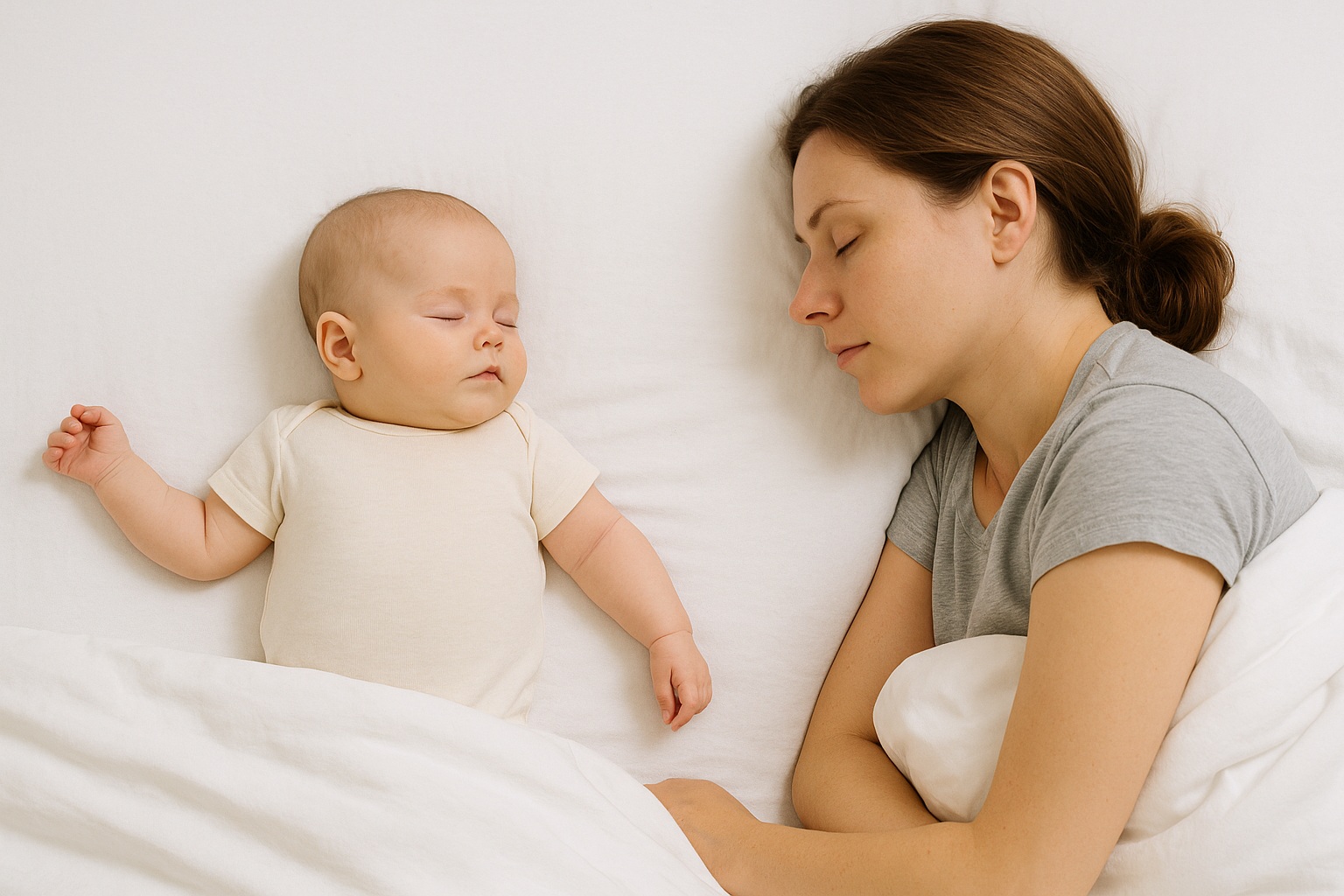
Co-sleeping—where babies and parents sleep close to each other—has been a common practice for centuries across many cultures. While it can foster bonding and make nighttime feeding easier, it also comes with safety considerations that every parent should be aware of.
Why Some Parents Choose Co-Sleeping
Many parents find co-sleeping beneficial for several reasons:
- Convenience: Especially during night feeds, co-sleeping makes it easier to respond quickly to a baby’s needs.
- Bonding: Physical closeness can help babies feel secure and comforted.
- Better Sleep: Some parents and babies report improved sleep when sharing the same space.
However, the safety of co-sleeping depends heavily on how it is done.
Types of Co-Sleeping
- Room-sharing: The baby sleeps in the same room but on a separate sleep surface, such as a crib or bassinet.
- Bed-sharing: The baby sleeps in the same bed as one or both parents.
Pediatric experts generally recommend room-sharing over bed-sharing for safety reasons, especially during the first 6 to 12 months of life.
Safe Co-Sleeping Guidelines
1. Follow the ABCs of Safe Sleep
Alone, on their Back, in a Crib or bassinet. Even when co-sleeping, make sure your baby has their own safe space to sleep.
2. Use a Firm Sleep Surface
A mattress should be firm, with a fitted sheet and no soft bedding, pillows, or stuffed toys that could pose suffocation risks.
3. Avoid Sofas and Recliners
Never sleep with your baby on a couch or recliner. These surfaces increase the risk of suffocation and entrapment.
4. Keep Baby Away from Gaps
Make sure there are no spaces between the mattress and headboard, wall, or other furniture where your baby could get trapped.
5. Stay Sober
Parents should not co-sleep if they are under the influence of alcohol, drugs, or medication that causes drowsiness.
6. No Smoking
Secondhand smoke significantly increases the risk of SIDS (Sudden Infant Death Syndrome). Ensure that the sleeping environment is smoke-free.
7. Dress Baby Appropriately
Overheating is a risk factor for SIDS. Dress your baby in light sleepwear and keep the room at a comfortable temperature.
8. Consider a Bedside Sleeper
These are bassinets that attach to your bed, giving your baby a separate sleep space while still being within arm’s reach.
When to Stop Co-Sleeping
There’s no one-size-fits-all answer. Some families transition their babies to their own rooms at 6 months, while others continue longer. The key is to gradually help your baby sleep independently when you feel the time is right for your family’s needs and comfort.
Common Myths About Co-Sleeping
- Myth: Co-sleeping always leads to poor sleep habits.
Fact: With gentle transitions, co-sleeping does not necessarily create long-term sleep problems. - Myth: Co-sleeping means you’ll never get your bed back.
Fact: Many families successfully transition their child to a crib or bed in another room.
Final Thoughts
Safe co-sleeping is possible with proper awareness and preparation. Whether you choose room-sharing, bed-sharing, or independent sleeping arrangements, the most important thing is to make sure your baby’s sleep environment is safe, secure, and loving.
Remember: Always consult your pediatrician before making any decisions about your baby’s sleep arrangements.
Frequently Asked Questions (FAQ)
1. Can a newborn sleep in the same bed as the parents?
It is not recommended. Newborns are at higher risk of suffocation and overheating when bed-sharing. Use a crib or a bedside sleeper instead.
2. When should we transition the baby to independent sleep?
Experts suggest between 6 to 12 months, depending on the baby’s readiness and the family’s comfort level.
3. Will co-sleeping make the baby overly dependent?
No. Co-sleeping can strengthen emotional bonds. With gentle transitions, most babies adjust to independent sleep over time.
4. How do I know if co-sleeping is right for our family?
Consider your parenting style, sleep needs, and space availability. If done safely, co-sleeping can work well for many families.
5. When should parents absolutely avoid bed-sharing?
If parents smoke, drink alcohol, take sedatives, are overtired, or use soft bedding, they should avoid bed-sharing for safety.



© Babyment. All Rights Reserved. 