

The Science of Tummy Time: Benefits, Guidelines, and Tips
Babyment
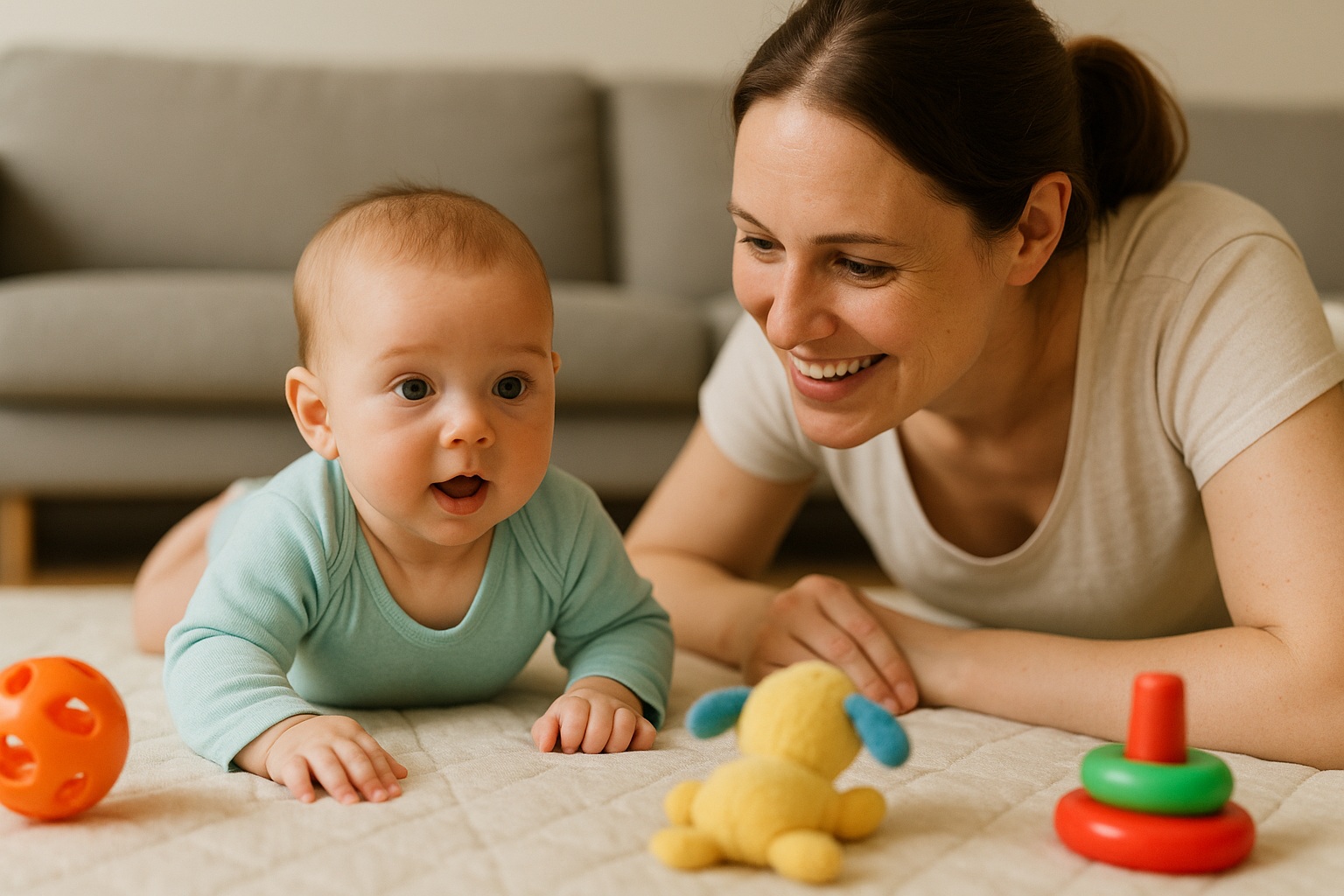
The Science of Tummy Time
Tummy time—placing your baby on their stomach while awake and supervised—is more than just playtime. It’s an essential activity that supports healthy motor development, strengthens muscles, and reduces the risk of flat head syndrome. Despite its importance, many parents find their babies resistant at first. Understanding the science behind tummy time and using gentle strategies can help make it a positive experience for both infants and caregivers.
Why Tummy Time Matters
Since the launch of the “Back to Sleep” campaign in the 1990s to prevent Sudden Infant Death Syndrome (SIDS), babies spend much more time on their backs. While this dramatically reduced SIDS, it also increased the incidence of positional plagiocephaly (flat head syndrome). Tummy time balances this by encouraging different muscle use and preventing prolonged pressure on the back of the skull.
Key Benefits of Tummy Time
- Motor development – Builds neck, shoulder, and arm strength, laying the foundation for rolling, crawling, and sitting.
- Prevents flat head syndrome – Reduces continuous pressure on the back of the head.
- Visual development – Improves eye-tracking and depth perception as babies look around from a new perspective.
- Core strength and balance – Prepares babies for future milestones like crawling and walking.
- Interaction and bonding – Provides opportunities for face-to-face play with parents and caregivers.
How Much Tummy Time Is Enough?
According to the American Academy of Pediatrics (AAP), tummy time should begin from the first days of life and gradually increase:
- Newborns – A few minutes, 2–3 times a day.
- By 3 months – Aim for 20–30 minutes total per day, spread out in short sessions.
- By 6 months – Babies should be comfortable with at least 1 hour daily, broken into multiple sessions.
Always supervise tummy time and make sure your baby is alert and on a safe, firm surface.
Tips for Babies Who Resist Tummy Time
It’s common for babies to fuss during tummy time. Here are gentle strategies to help:
- Start small – Even 1–2 minutes at a time counts; gradually increase as your baby gets stronger.
- Join your baby – Lie down on the floor face-to-face for comfort and bonding.
- Use props – A rolled towel or small tummy time pillow under the chest can provide support.
- Incorporate play – Use toys, mirrors, or rattles to make tummy time fun and engaging.
- Try alternative positions – “Tummy-to-tummy” on a parent’s chest or lap can be less intimidating for newborns.
- Keep it frequent but short – Multiple brief sessions are more effective than one long, stressful attempt.
Safety Considerations
Tummy time should always be supervised. Never place a baby face-down on soft bedding, pillows, or couches where suffocation is a risk. If your baby shows persistent difficulty lifting their head or delays in motor milestones, consult your pediatrician.
FAQ: Tummy Time
1. Can I start tummy time right after birth?
Yes, tummy time can begin as soon as your baby comes home, starting with a few minutes on your chest or a safe surface.
2. What if my baby cries during tummy time?
It’s normal for babies to fuss at first. Keep sessions short and interactive. Consistency helps babies adapt over time.
3. Is tummy time needed once my baby can roll?
Yes, it’s still beneficial, but your baby will naturally get more time on their stomach through rolling and crawling practice.
4. How do I know if my baby is getting enough?
If your baby is gradually building strength, lifting their head higher, and showing progress in motor skills, you’re on track.
5. Can tummy time help with colic or gas?
Some parents report that tummy time relieves gas because of gentle abdominal pressure, though this is not its primary purpose.
Scientific & Professional Sources
- American Academy of Pediatrics (AAP) – Infant Development & Tummy Time
- HealthyChildren.org – Tummy Time Tips
- Canadian Paediatric Society – Positioning and Playtime Guidelines
- National Institute of Child Health and Human Development (NICHD) – Safe Sleep and Development



© Babyment. All Rights Reserved. 