

Understanding the Wonder Weeks and Developmental Leaps
Babyment
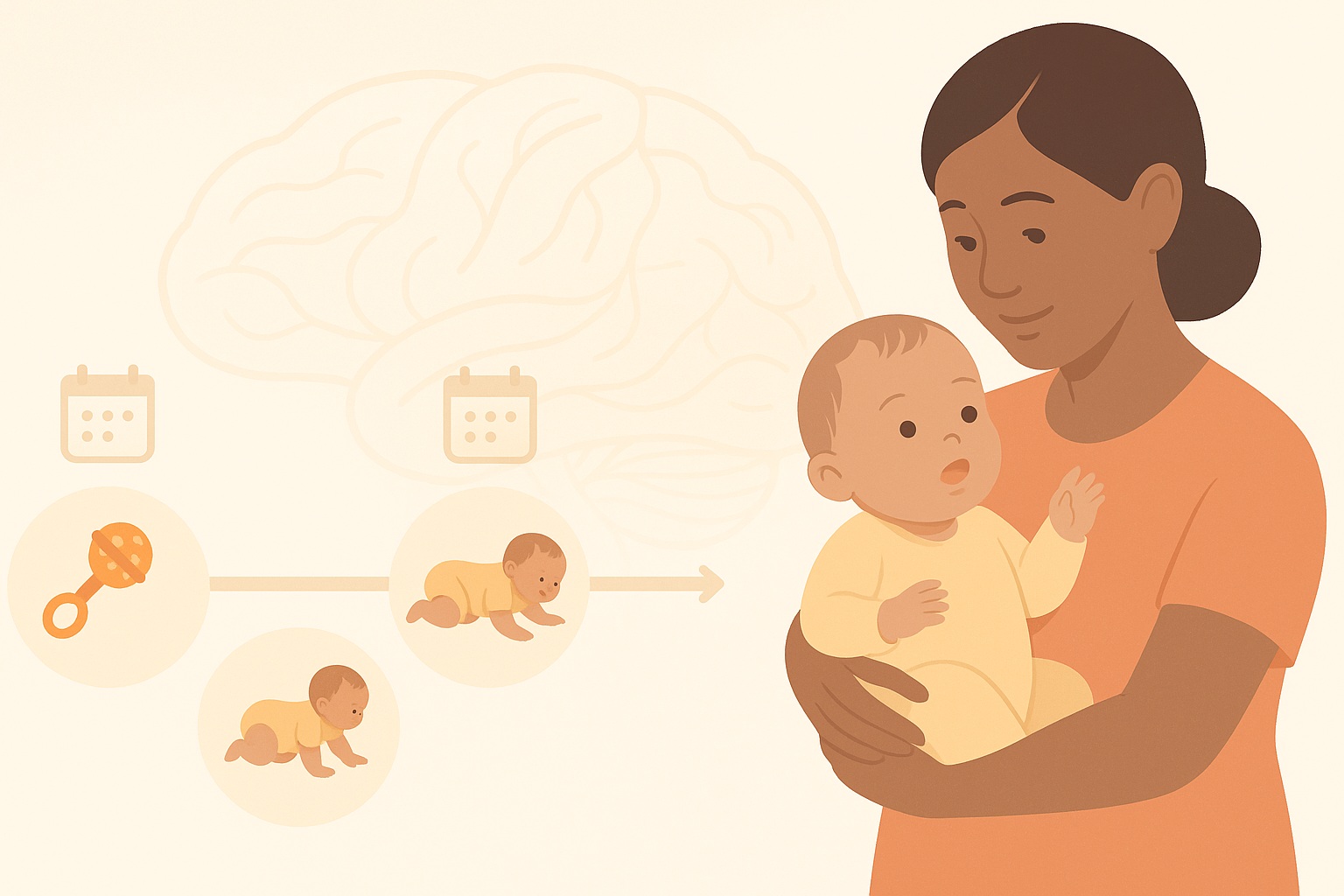
TL;DR: Babies do pass through periods of rapid development and many have a normal peak of fussiness around 6 weeks (then easing by about3–4 months). However, the popular idea of ten precisely timed “leaps” is not strongly supported by reproducible research. Use these ideas as a gentle guide—not a diagnosis—and follow your baby’s cues.
- “Wonder Weeks” is a popular framework suggesting predictable spurts in learning and fussiness. Evidence for exact, universal timing is weak.
- What is well supported: a normal early increase in crying that typically peaks around 6 weeks and declines by 3–4 months; big brain changes in the first year; and wide variability between babies.
- Supportive care (responsive feeding, carrying, calming routines) helps most families. Watch for medical red flags (especially fever in babies <3 months and signs of dehydration).
What are the “Wonder Weeks”?
The term comes from a book/app proposing that babies experience roughly ten mental “leaps” in the first 20 months, often accompanied by clinginess, poor sleep, or crying. Many parents find the language reassuring because it normalises fussy phases and reminds us that new skills are coming.
What does the evidence say?
- Crying peaks early, then settles. Across many countries, infant fuss/cry time commonly rises in the first weeks, peaks near 6–8 weeks, and decreases by 3–4 months. This is part of typical development for many babies.
- Brain development is rapid but not “one schedule fits all”. The infant brain undergoes surges in synapse formation and myelination in the first year. Different regions mature on different timelines (e.g., sensory areas earlier, frontal areas later), which likely contributes to uneven, “leapy” growth in skills.
- Exact, universal “leap dates” are not well validated. Attempts to confirm ten strictly timed periods across all babies have not consistently replicated. Milestones also vary widely between children; pediatric groups emphasise ongoing surveillance and screening over rigid calendars.
What parents often notice (and what can help)
| Typical window (approx.) | What you may notice | What may be going on | What can help |
|---|---|---|---|
| 2–8 weeks | Evening fussiness; crying crescendo toward about6 weeks; frequent feeds | Normal “crying curve”; rapid sensory maturation; growth spurts | Responsive feeding, frequent burping, holding/carrying, dim evening stimulation, safe soothing (rocking, shushing), caregiver breaks |
| 3–4 months | Sleep pattern shifts; more alert play; hand-to-mouth exploration | Visual attention and motor control improving; circadian rhythms maturing | Predictable wind-down, daylight exposure, tummy time (while awake), flexible naps |
| 6–10 months | Stranger anxiety; separation protest; mobility surges (rolling/crawling/pulling up) | Myelination and motor circuits advancing; social processing maturing | Practice new skills safely, peekaboo & short separations, baby-proofing, consistent comfort |
| 10–14 months | Language bursts, object permanence play, frustration when limited | Language networks and problem-solving taking off | Name-and-narrate routines, simple choices, patience with big feelings |
Preterm babies: expect timing to align better with corrected age.
Practical, evidence-aligned strategies
- Respond and carry. Increased carrying (babywearing) in early weeks is associated with less crying overall.
- Feed responsively. Growth spurts can bring cluster feeding or temporary night waking—usually short-lived.
- Shape gentle routines. Daylight, active play when awake, and calm, consistent wind-down often improve sleep over weeks, not days.
- Track your baby, not the calendar. Use apps/books as guides, not rules. If you’re worried about development, seek screening rather than waiting for a “leap”.
When to seek medical care (red flags)
- Fever: any baby under 3 months with more than or equal to 38.0 °C (100.4 °F)—seek medical evaluation the same day.
- Dehydration signs: fewer wet nappies, dry mouth/no tears, sunken fontanelle, unusual sleepiness or irritability.
- Breathing difficulty, persistent vomiting, rash with fever, limpness, or a cry that sounds very different or is inconsolable for hours—get medical advice promptly.
FAQ
Are “Wonder Weeks” real?
The idea that development comes in spurts and that fussiness can accompany rapid learning is reasonable. But the notion of ten universal, precisely timed leaps has limited reproducible evidence. It’s fine to use the framework to normalise tough days—just don’t treat it as diagnostic.
Why is my baby fussiest around 6 weeks?
Many babies follow a normal “crying curve”: fuss/crying increases in the first weeks, peaks around 6–8 weeks, and declines by about12–16 weeks. This pattern is seen across cultures and even when care is very responsive.
Do growth spurts affect sleep?
Yes—short phases of increased sleep or disrupted sleep (plus hungrier feeds) are common during growth spurts and developmental changes. These phases usually pass within days to a couple of weeks.
Should I plan life around the app’s leap calendar?
Not necessary. Babies vary widely. Follow cues, keep days flexible, and seek professional screening if you’re worried about development rather than relying on predicted “leap” dates.
My baby was born early. Will “leaps” be later?
Often, yes—adjust expectations to your baby’s corrected age. Many timing patterns (e.g., the crying peak) align better with corrected age in preterm infants.
What actually helps on fussy days?
Holding/carrying (babywearing), responsive feeding, reducing evening stimulation, white noise, and consistent wind-down. Share care to protect parental wellbeing.
When should I worry?
Seek care for red flags listed above, especially fever more than or equal to 38.0 °C in infants <3 months, signs of dehydration, breathing difficulty, or if your parental instinct says “something isn’t right.”
Disclaimer: This article is educational and not a substitute for medical advice. For Singapore readers, consult your GP/PD or visit a 24-hour children’s clinic if concerned.



© Babyment. All Rights Reserved. 