

Vaccines in the First Year: Breaking Down the Science and Myths
Babyment
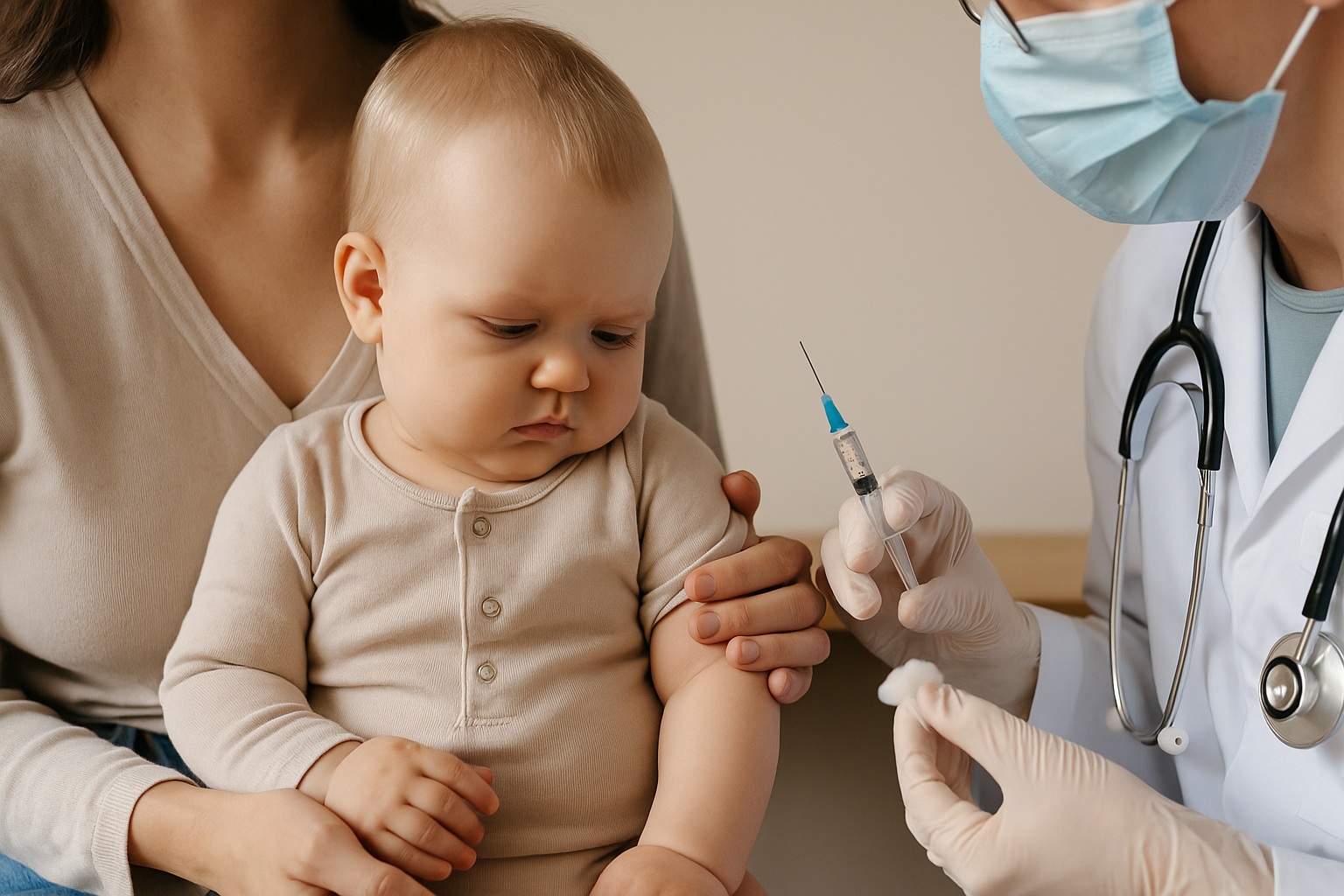
The first year of a baby’s life includes many important health milestones — and vaccines are one of the most crucial. Yet many parents have questions or concerns about vaccine safety, timing, and necessity. This article offers science-backed explanations and dispels common myths to help you make informed decisions about your baby’s immunizations.
Why Vaccines Are Important in the First Year
Newborns have immature immune systems and are vulnerable to severe infections. Vaccines help train their bodies to recognize and fight off dangerous pathogens before exposure. Early immunization protects not only your baby, but also helps prevent outbreaks in the community through herd immunity.
In the first year, babies typically receive protection against diseases like:
- Hepatitis B
- Diphtheria, Tetanus, and Pertussis (DTaP)
- Haemophilus influenzae type b (Hib)
- Polio (IPV)
- Pneumococcal disease
- Rotavirus
- Measles, Mumps, Rubella (MMR) — at around 12 months
Common Myths and the Science Behind Them
Myth 1: “Too many vaccines overwhelm the immune system.”
Fact: A baby’s immune system is capable of handling hundreds of new antigens a day. Vaccines contain far fewer antigens than babies naturally encounter through eating, breathing, and touching things.
Myth 2: “Vaccines cause autism.”
Fact: This claim originated from a discredited study in 1998 and has been thoroughly debunked by extensive research. No reputable study has found a link between vaccines and autism.
Myth 3: “It’s better to space out vaccines.”
Fact: Vaccine schedules are carefully designed for optimal protection at the right developmental stages. Delaying vaccines leaves your baby vulnerable to preventable diseases during critical months.
Myth 4: “Natural infection gives better immunity.”
Fact: While natural infections can lead to immunity, they also come with the risk of serious illness, hospitalization, or death. Vaccines offer safe, controlled exposure to stimulate immunity without severe consequences.
Are Vaccines Safe?
Yes. Vaccines undergo rigorous testing in multiple phases of clinical trials before approval, and continued safety monitoring after being released. Side effects are usually mild, such as low fever or soreness at the injection site. Serious side effects are rare — and far less common than complications from the diseases vaccines prevent.
What Parents Can Do to Stay Informed
- Follow your country’s national immunization schedule (e.g., CDC, WHO, or your local health ministry).
- Consult your child’s pediatrician about any concerns — they’re your best source of individualized guidance.
- Use evidence-based sources such as WHO, CDC, or peer-reviewed journals.
Tips for Easing Vaccine Visits
- Hold your baby during the shot for comfort.
- Breastfeeding during or after the shot can help reduce pain and stress.
- Bring a favorite toy or blanket for distraction.
- Ask your provider about what reactions are normal and when to call the doctor.
Conclusion
Vaccines in the first year are one of the most powerful tools we have to protect children’s health. With overwhelming scientific consensus supporting their safety and effectiveness, parents can confidently follow the recommended schedule. When we vaccinate, we’re not just protecting one child — we’re building a healthier future for everyone.
FAQ
Can babies get too many vaccines at once?
No. Babies' immune systems handle much more every day just by interacting with the world. Combined vaccines are safe and reduce the number of visits and injections.
What if my baby has a mild fever after a shot?
A mild fever or fussiness is a normal immune response and usually resolves in 1–2 days. Monitor at home and consult your pediatrician if symptoms persist or worsen.
Are there any babies who shouldn’t get vaccinated?
In rare cases, babies with specific allergies or immune system conditions may need modified schedules. Always discuss your child’s health history with your doctor.



© Babyment. All Rights Reserved. 