

Cravings and Aversions: What They Say About Nutritional Needs
Babyment
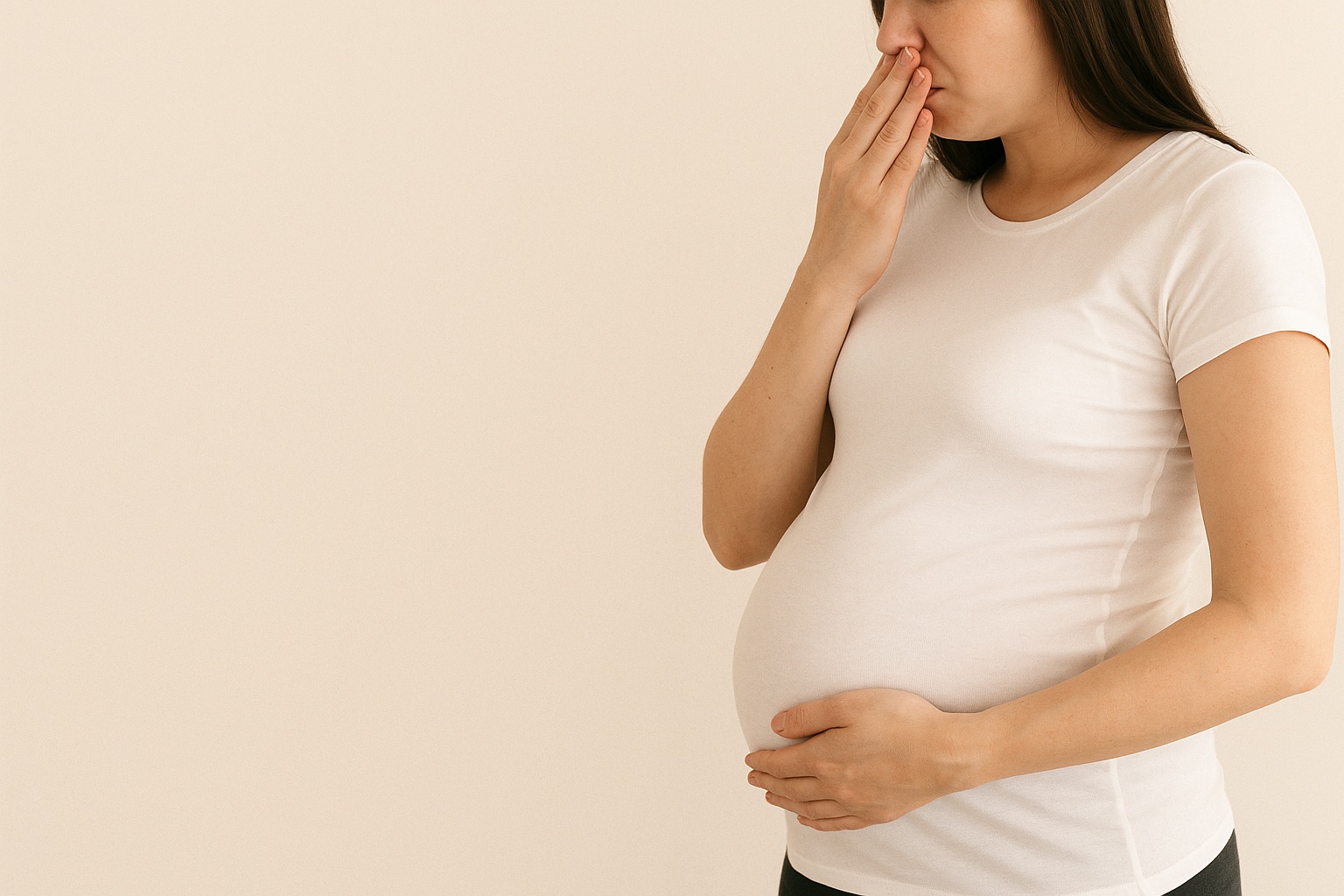
Pregnancy is often accompanied by intense food cravings—or aversions. You might suddenly want nothing but pickles, or feel nauseated by the smell of coffee. Are these just quirky symptoms, or do they reflect something deeper about your body’s nutritional needs?
What Are Pregnancy Cravings and Aversions?
Cravings are strong desires for specific foods, often with urgent intensity. Aversions are the opposite: a sudden dislike or even repulsion toward certain foods or smells. These changes are common, affecting over 75% of pregnant individuals.
Psychological vs Physiological Causes
1. Hormonal Changes
Fluctuations in estrogen and progesterone alter taste and smell sensitivity, which can heighten food preferences or disgust. This is particularly strong in the first trimester.
2. Nutritional Signals
Cravings may point to deficiencies—for example, a desire for red meat could be a response to low iron, while cravings for ice or non-food items (a condition called pica) may signal anemia. However, research is mixed, and not all cravings are linked to specific nutrients.
3. Cultural and Emotional Associations
Cravings may also stem from emotional comfort, habits, or cultural expectations. A pregnant woman in one culture may crave spicy food, while another may prefer sweets—often influenced by what’s deemed “normal” around her.
Common Cravings and Their Possible Links
- Ice: Often linked to iron-deficiency anemia (pica).
- Chocolate: May reflect a need for magnesium or emotional soothing due to stress.
- Red meat: Possible indicator of iron or protein deficiency.
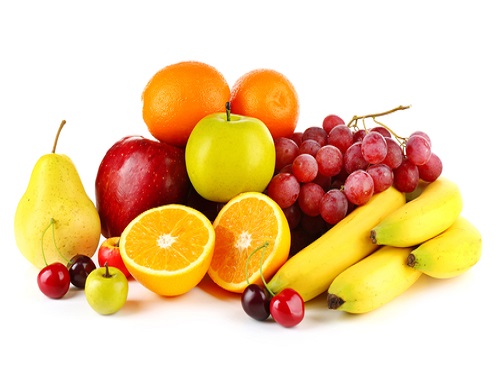
- Fruit: A refreshing and hydrating option, often rich in vitamin C.
- Pickles or sour foods: May help alleviate nausea or reflect electrolyte shifts.
Common Aversions
- Coffee and meat: Frequently avoided in early pregnancy, likely due to heightened smell sensitivity.
- Fried or greasy food: Often disliked as the digestive system slows down during pregnancy.
Responding Safely to Cravings and Aversions
- Moderation is key: It’s okay to indulge in cravings occasionally, as long as the overall diet remains balanced.
- Watch for pica: If you crave non-food items like clay, chalk, or ice, consult a doctor immediately.
- Substitute wisely: Choose healthier versions of what you're craving—e.g., dark chocolate over candy bars, or fruit over sugary desserts.
- Keep a food diary: Tracking cravings and aversions can help identify patterns and make nutritional adjustments if needed.
When to Seek Help
If cravings interfere with your ability to eat a balanced diet or if you’re experiencing pica or extreme food aversions leading to weight loss, speak with a healthcare provider or registered dietitian.
Conclusion
Cravings and aversions are more than pregnancy quirks—they may reflect complex interactions between hormones, nutrients, and emotional needs. Understanding these signals helps you respond safely while supporting both your health and your baby’s development.
FAQ
- Q: Are pregnancy cravings linked to nutrient deficiencies?
- A: Sometimes. Cravings for red meat may signal low iron, while ice cravings can indicate anemia. However, not all cravings have nutritional roots.
- Q: What should I do if I crave non-food items?
- A: This may be a sign of pica and could indicate iron deficiency. Talk to your doctor immediately.
- Q: Is it okay to give in to cravings?
- A: Yes, in moderation. Indulging occasionally is fine as long as your overall diet supports your pregnancy nutrition needs.
- Q: Why do I suddenly dislike foods I used to love?
- A: Hormonal changes increase sensitivity to smell and taste, especially in the first trimester. Aversions are very common and usually temporary.
Scientific and Professional Sources
- American College of Obstetricians and Gynecologists (ACOG). “Nutrition During Pregnancy.” www.acog.org
- Orloff NC, Hormes JM. “Pickles and ice cream! Food cravings in pregnancy: Prevalence, causes, and consequences.” Frontiers in Psychology. 2014;5:1076.
- Fisher, J. et al. (2018). “Food aversions and dietary restrictions during pregnancy.” Appetite, 123, 412–420.
- National Institutes of Health. “Pica.” MedlinePlus. Link
Subscribe to receive newsletter on pregnancy and parenting in Singapore.

© Babyment. All Rights Reserved. 