

Gut Health in Pregnancy: The Role of Probiotics and Fermented Foods
Babyment
Pregnancy brings immense changes to a woman’s body—including the gut. From hormonal shifts to dietary adjustments, the maternal gut microbiome undergoes transformation. Recent research suggests that supporting gut health during pregnancy may influence digestion, immune function, and even the baby’s developing microbiome.
In this article, we explore how probiotics and fermented foods can support a healthier pregnancy—backed by scientific evidence.
Why Gut Health Matters During Pregnancy
The gut is home to trillions of microorganisms that play a vital role in digestion, immune regulation, and nutrient absorption. During pregnancy, hormonal changes—particularly rising levels of progesterone—can slow gastrointestinal motility, leading to constipation, bloating, and indigestion.
Furthermore, a healthy gut microbiome supports:
- Immune Function: Around 70% of the immune system resides in the gut.
- Nutrient Absorption: Gut bacteria aid in breaking down food and synthesizing key vitamins like B12 and K.
- Fetal Development: Maternal microbes shape the baby’s initial microbiome, which is vital for immune and metabolic health.
Probiotics: What Are They and Are They Safe?
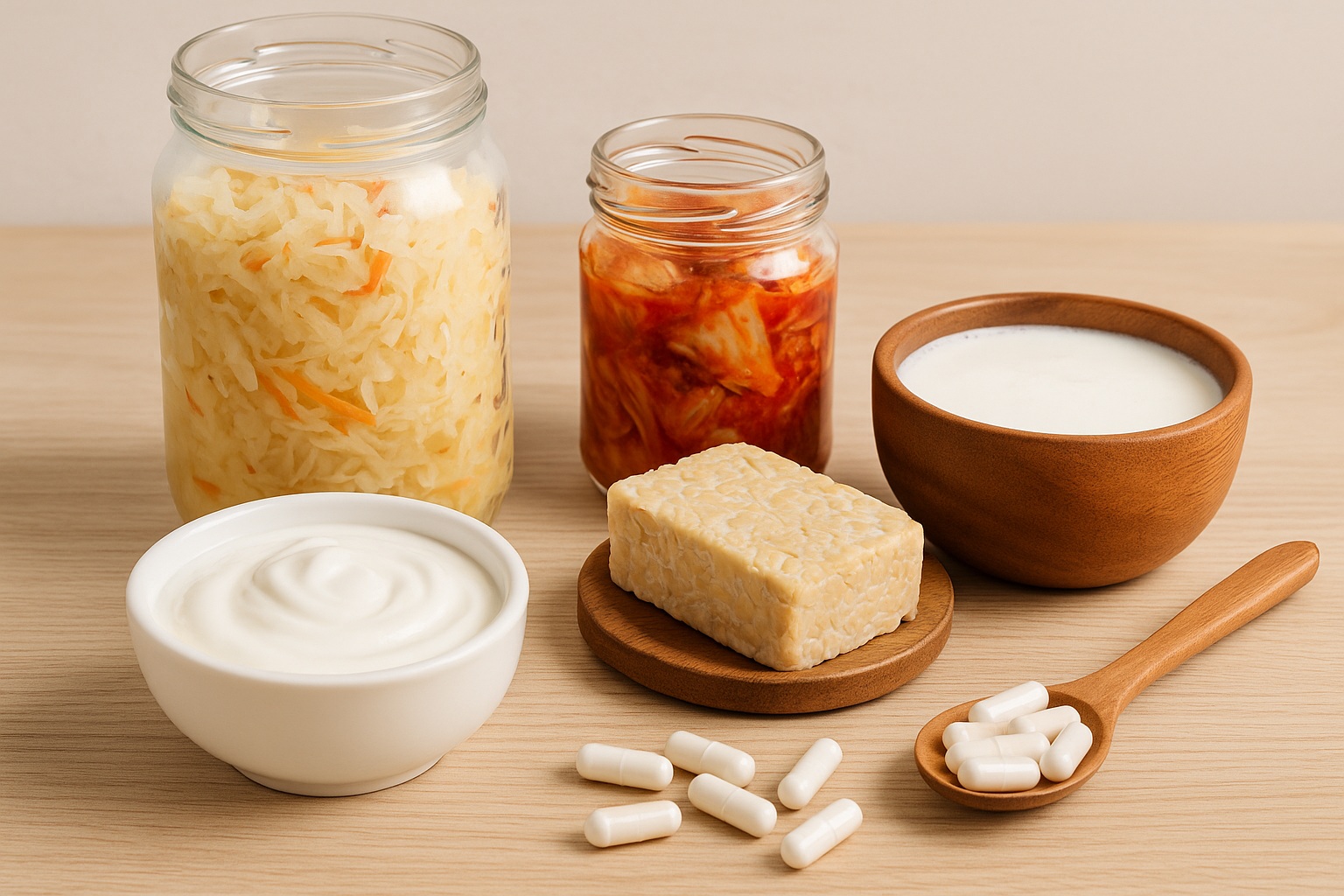
Probiotics are live microorganisms that, when consumed in adequate amounts, provide health benefits. They are commonly found in supplements and fermented foods like yogurt, kefir, kimchi, miso, and sauerkraut.
Research indicates that probiotics are generally safe during pregnancy and may reduce the risk of:
- Gestational diabetes mellitus (GDM)
- Pre-eclampsia
- Constipation and bloating
- Postpartum depression and anxiety
One large review in the American Journal of Clinical Nutrition (2019) found that probiotics, particularly strains of Lactobacillus and Bifidobacterium, were well tolerated and posed no increased risk to the mother or fetus.
Fermented Foods: A Natural Source of Probiotics
Fermented foods naturally contain probiotics and beneficial compounds. Regular intake can contribute to a balanced gut microbiome and help improve digestion during pregnancy.
Examples of pregnancy-safe fermented foods include:
- Live-culture yogurt (unsweetened)
- Kefir (milk-based or water-based)
- Miso soup (limit sodium and avoid unpasteurized versions if immune-compromised)
- Tempeh (a protein-rich fermented soy)
- Pasteurized sauerkraut and kimchi in moderation
Ensure that fermented products are pasteurized or made under hygienic conditions to avoid any risk of foodborne illness.
Impact on Baby’s Microbiome
The baby’s gut microbiome begins to develop in utero and is significantly shaped by maternal health, mode of delivery, and feeding practices.
Studies suggest that maternal probiotic intake may positively influence the baby's gut flora—especially when combined with vaginal delivery and breastfeeding. A well-balanced maternal microbiome can help pass on protective microbes to the baby, which may lower risks of allergies, eczema, and obesity later in life.
Tips for Supporting Gut Health in Pregnancy
- Incorporate probiotic-rich foods into your daily diet.
- Eat plenty of prebiotic foods like garlic, onions, bananas, oats, and legumes.
- Stay hydrated and include fibre to ease constipation.
- Consult your doctor before starting any probiotic supplements.
Conclusion
Gut health is more than a digestive issue—it’s a cornerstone of immunity, nutrient absorption, and healthy fetal development. Probiotics and fermented foods are safe, natural ways to support both maternal and baby well-being during pregnancy. As always, discuss dietary changes or supplements with your healthcare provider.
Frequently Asked Questions (FAQ)
- Are probiotics safe in all trimesters of pregnancy?
- Yes, most studies show that probiotics are safe in all stages, but always consult your doctor, especially if you have a high-risk pregnancy.
- Can probiotics prevent constipation?
- Yes, certain probiotic strains like Lactobacillus acidophilus and Bifidobacterium lactis have been shown to ease constipation during pregnancy.
- Should I take probiotic supplements or eat fermented foods?
- Either is beneficial. If choosing supplements, look for clinically studied strains. Fermented foods offer added nutrients and flavour.
Scientific and Professional Sources
- American Journal of Clinical Nutrition. (2019). "Maternal probiotic supplementation and pregnancy outcomes: A systematic review and meta-analysis."
- Harvard T.H. Chan School of Public Health. “The Gut Microbiome and Human Health.”
- National Institutes of Health (NIH). "Probiotics: What You Need To Know."
- Journal of Maternal-Fetal & Neonatal Medicine. (2020). "Maternal microbiome and pregnancy outcomes."
Subscribe to receive newsletter on pregnancy and parenting in Singapore.

© Babyment. All Rights Reserved. 