

Heartburn and Indigestion During Pregnancy: Causes, Relief, and Prevention
Babyment
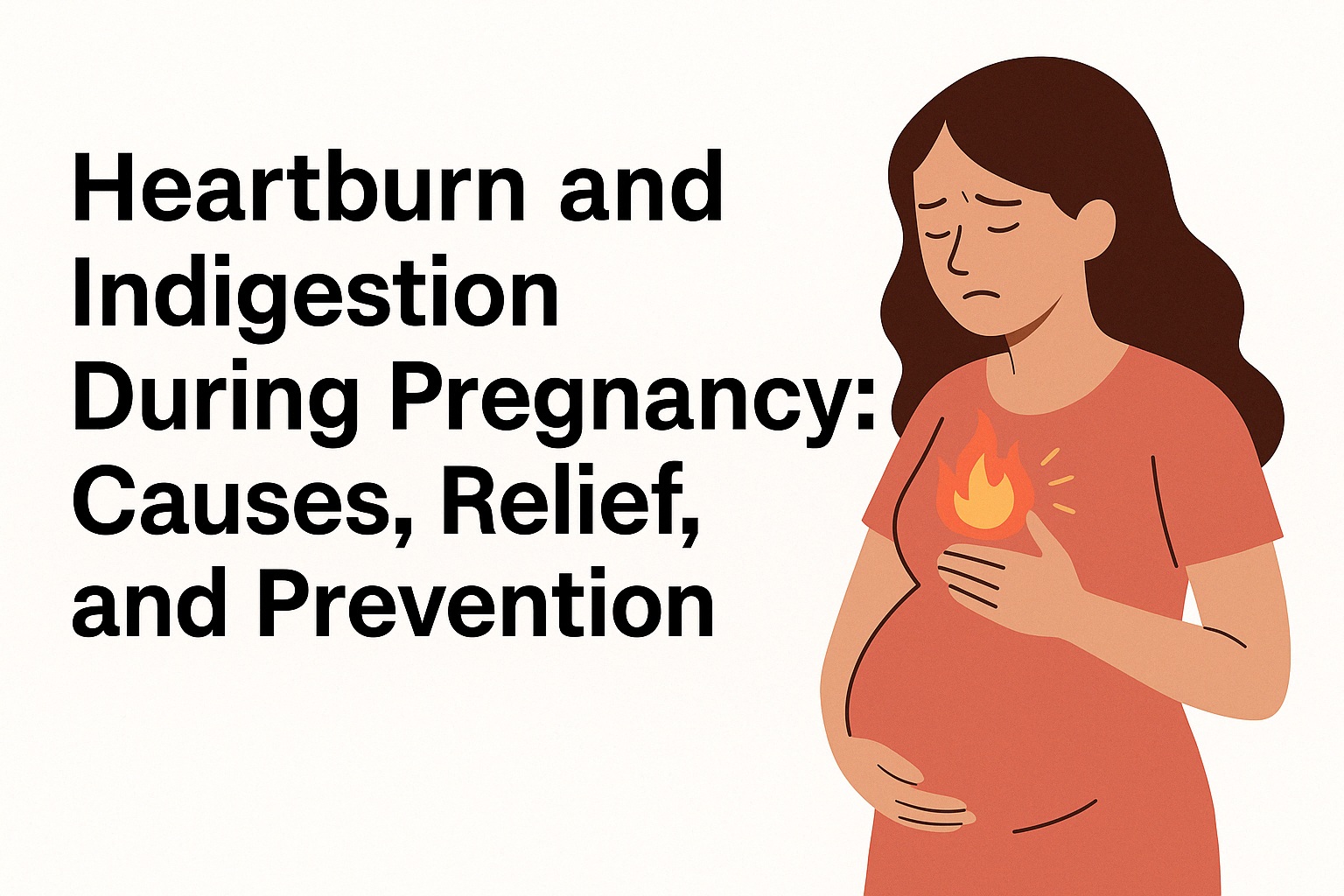
Heartburn and indigestion are common discomforts experienced by many pregnant women, especially in the second and third trimesters. Characterized by a burning sensation in the chest, bloating, or a feeling of fullness, these symptoms can interfere with daily comfort and sleep. Understanding the causes and finding safe relief strategies can make a big difference during pregnancy.
What is Heartburn and Indigestion?
Heartburn is a burning sensation that rises from the stomach or lower chest toward the throat, caused by stomach acid backing up into the esophagus. Indigestion refers to a general feeling of discomfort or unease in the upper abdomen, often accompanied by bloating, gas, or nausea.
What Causes Heartburn and Indigestion in Pregnancy?
Several factors contribute to these digestive symptoms during pregnancy:
- Hormonal changes: Increased progesterone relaxes the lower esophageal sphincter (LES), allowing stomach acid to flow back into the esophagus more easily.
- Slowed digestion: Progesterone also slows the movement of food through the digestive tract, leading to bloating and gas.
- Growing uterus: As the baby grows, the uterus pushes upward against the stomach, especially in the third trimester, causing stomach contents to be displaced.
- Eating habits: Large meals, greasy or spicy foods, and lying down soon after eating can all contribute to heartburn and indigestion.
When Does It Usually Start?
Heartburn can begin as early as the first trimester, but it becomes more common and persistent in the second and third trimesters as the uterus grows and hormonal effects increase.
Common Symptoms
- Burning feeling in the chest or throat
- Bloating or fullness after meals
- Frequent burping or gas
- Regurgitation of food or sour liquid
- Nausea or mild abdominal discomfort
How to Relieve Heartburn and Indigestion Naturally
1. Eat Smaller, More Frequent Meals
Large meals can increase stomach pressure. Try eating 5–6 small meals throughout the day to reduce the risk of reflux.
2. Avoid Trigger Foods
Common culprits include fried, fatty, and spicy foods, citrus fruits, tomato-based dishes, chocolate, garlic, onions, and carbonated beverages. Keep a food diary to identify your specific triggers.
3. Don’t Lie Down Right After Eating
Wait at least 1–2 hours after meals before lying down or going to bed. This helps prevent stomach acid from rising up the esophagus.
4. Sleep with Your Upper Body Elevated
Use an extra pillow or wedge to raise your head and chest. Gravity can help keep stomach acid in place while you sleep.
5. Chew Food Slowly and Thoroughly
Take your time while eating. Chewing food properly aids digestion and reduces the risk of overloading your stomach.
6. Stay Hydrated Between Meals
Drinking too much fluid during meals can increase bloating. Try sipping water between meals instead of during them.
7. Wear Loose-Fitting Clothing
Tight clothes, especially around the waist, can put pressure on your stomach and make symptoms worse.
Safe Medications for Relief (Under Doctor’s Guidance)
If natural remedies are not enough, your doctor may recommend pregnancy-safe medications, such as:
- Antacids: Calcium-based antacids like Tums or Gaviscon can neutralize stomach acid. Avoid those with aluminum or high sodium content.
- H2 blockers: Medications like ranitidine or famotidine may be used under supervision if symptoms are persistent.
- Proton pump inhibitors (PPIs): These are sometimes prescribed in severe cases but should only be taken with a doctor's approval.
When to See a Doctor
While heartburn is usually harmless, consult your doctor if you experience:
- Persistent or severe heartburn that interferes with eating or sleeping
- Difficulty swallowing
- Weight loss or poor appetite
- Vomiting or vomiting blood
Practical Tips for Pregnant Women in Singapore
Many expecting mothers in Singapore turn to traditional remedies like warm ginger tea, drinking coconut water, or avoiding "heaty" foods during pregnancy. While these remedies may offer relief, always consult your OB-GYN before trying new herbs or supplements.
Also, consider adjusting your eating schedule to suit your daily MRT commute or working hours—avoid heavy meals before long rides or meetings to minimize discomfort.
Advice for Partners and Families
- Help prepare light, healthy meals that avoid known trigger ingredients.
- Encourage the mother-to-be to eat slowly and rest in an upright position after meals.
- Be supportive when she avoids certain foods, even if they're household favorites.
Conclusion
Heartburn and indigestion are common, but manageable, discomforts of pregnancy. By adjusting your diet, lifestyle habits, and sleeping posture, you can significantly reduce the severity of symptoms. If needed, safe medication options are available under medical supervision. Don’t let heartburn take the joy out of your pregnancy—relief is within reach.
Stay with us as we continue our series on pregnancy discomforts. Up next: Constipation during pregnancy—what causes it and how to find relief naturally.
Subscribe to receive newsletter on pregnancy and parenting in Singapore.


© Babyment. All Rights Reserved. 