

Maternal Mental Health: The Link Between Prenatal Depression and Postpartum Outcomes
Babyment
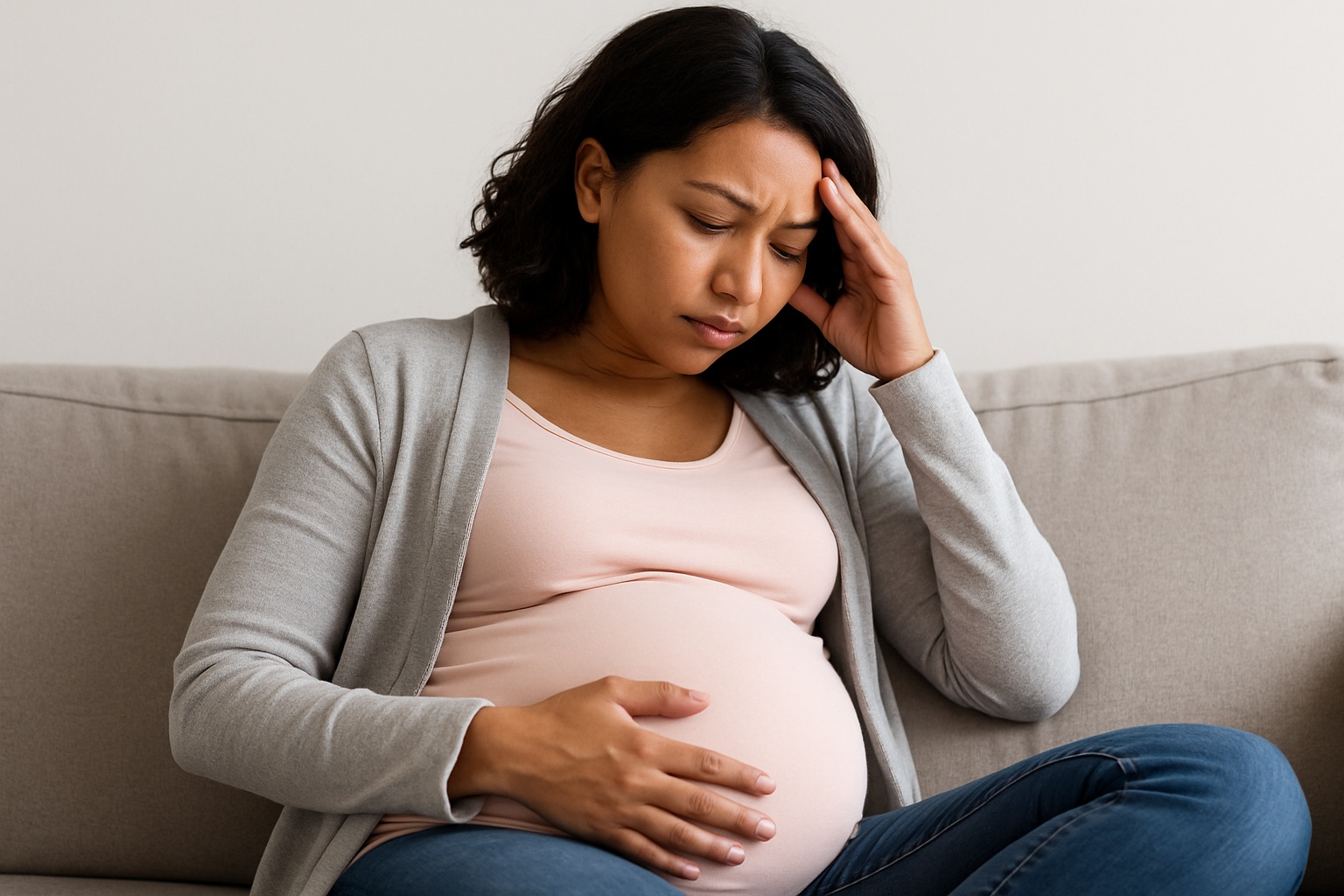
Mental health during pregnancy is just as critical as physical health. Yet prenatal depression—also called antenatal depression—often goes undetected or minimized. Research shows a clear and powerful link between depression during pregnancy and adverse outcomes in the postpartum period. Early screening and intervention are not only helpful—they are essential.
What Is Prenatal Depression?
Prenatal depression refers to clinical depression experienced during pregnancy. Symptoms may include:
- Persistent sadness or hopelessness
- Loss of interest in previously enjoyed activities
- Sleep disturbances (beyond typical pregnancy-related issues)
- Appetite changes
- Difficulty concentrating
- Anxiety or intrusive thoughts
It is estimated that 10–20% of pregnant women experience clinically significant depressive symptoms, though many remain undiagnosed.
The Link Between Prenatal and Postpartum Depression
Multiple longitudinal studies have shown that depression during pregnancy is the strongest predictor of postpartum depression. A large meta-analysis published in the journal Psychiatric Services found that women with prenatal depression are up to three times more likely to develop postpartum depression (PPD).
Untreated prenatal depression has also been linked to:
- Preterm birth
- Low birth weight
- Reduced breastfeeding rates
- Impaired mother-infant bonding
- Developmental and behavioral issues in children
Why Early Screening Matters
According to guidelines from the American College of Obstetricians and Gynecologists (ACOG) and the World Health Organization (WHO), mental health screening should be a routine part of prenatal care.
Effective screening tools include:
- The Edinburgh Postnatal Depression Scale (EPDS)
- The Patient Health Questionnaire-9 (PHQ-9)
- The Generalized Anxiety Disorder Scale (GAD-7)
These tools are brief, validated, and can be administered during regular prenatal visits. Early detection opens the door to timely and targeted support.
Evidence-Based Interventions
If prenatal depression is identified, several interventions have proven effective:
1. Psychotherapy
- Cognitive Behavioral Therapy (CBT) and Interpersonal Therapy (IPT) are first-line treatments.
- These therapies focus on reframing negative thought patterns, improving emotional regulation, and enhancing social support.
2. Medication
- Antidepressants such as SSRIs may be used if symptoms are moderate to severe.
- Treatment decisions must weigh risks and benefits and be closely supervised by a psychiatrist experienced in perinatal care.
3. Lifestyle and Support Interventions
- Regular physical activity (as advised by an OB-GYN)
- Mindfulness and meditation practices
- Group therapy and peer support networks
- Nutrition and sleep support
The Role of Partners and Providers
Supporting maternal mental health requires a team approach. Partners, family members, and healthcare providers play vital roles in:
- Recognizing early warning signs
- Creating a nonjudgmental space for sharing
- Encouraging follow-through on treatment plans
- Providing practical help and emotional encouragement
Conclusion
Prenatal depression is common, real, and treatable. Left unaddressed, it significantly increases the risk of postpartum complications for both mother and child. But with early screening, compassionate care, and evidence-based treatment, mothers can experience healthier pregnancies—and better outcomes well into the postpartum journey.
Subscribe to receive newsletter on pregnancy and parenting in Singapore.


© Babyment. All Rights Reserved. 