

The Role of the Vaginal Microbiome in Preterm Birth Prevention
Babyment
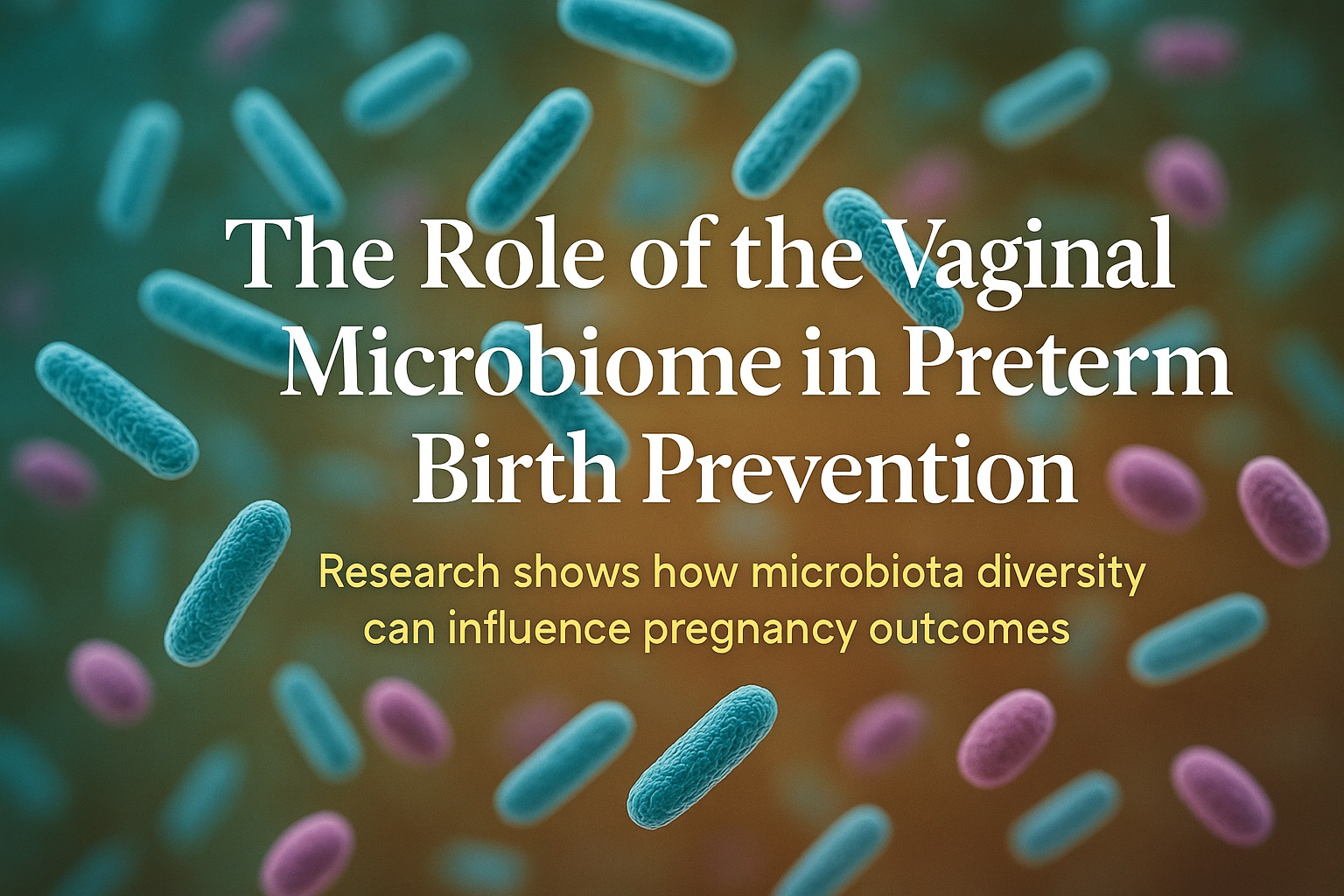
Preterm birth—defined as delivery before 37 weeks of gestation—remains a major public health concern, affecting approximately 1 in 10 births worldwide. While known risk factors include infections, stress, and chronic conditions, scientists are uncovering a powerful and often overlooked player in pregnancy outcomes: the vaginal microbiome.
What Is the Vaginal Microbiome?
The vaginal microbiome refers to the complex community of microorganisms—primarily bacteria—that inhabit the vaginal canal. This ecosystem plays a crucial role in protecting against pathogens, maintaining pH balance, and supporting reproductive health. In healthy pregnancies, the vaginal microbiome is typically dominated by Lactobacillus species, especially L. crispatus, which produce lactic acid and maintain an acidic environment hostile to harmful bacteria.
Microbiome Diversity: A Double-Edged Sword
Unlike the gut, where microbial diversity is often beneficial, low vaginal microbiome diversity is actually considered protective during pregnancy. When the vaginal microbiota becomes more diverse—meaning more types of bacteria including anaerobes like Gardnerella or Ureaplasma—this can increase the risk of vaginal inflammation, infection, and ultimately preterm labor.
Recent studies using 16S rRNA sequencing have found that women who deliver prematurely are more likely to exhibit a “dysbiotic” or imbalanced vaginal microbiome, with decreased Lactobacillus dominance and increased pro-inflammatory bacteria.
Mechanisms Linking the Microbiome to Preterm Birth
- Increased Inflammation: Dysbiotic microbiota can trigger an immune response, leading to inflammation of the cervix or fetal membranes, which may promote early labor.
- Cervical Shortening: Some bacterial species may produce enzymes that degrade cervical tissue, shortening the cervix and increasing the risk of preterm delivery.
- Ascending Infection: Harmful bacteria can ascend into the uterus, affecting the amniotic fluid and fetal membranes, a condition known as chorioamnionitis.
Risk Factors That Affect Vaginal Microbiota
Several factors can shift the composition of the vaginal microbiome, including:
- Antibiotic use
- Sexual activity with new or multiple partners
- Vaginal douching or use of scented hygiene products
- Smoking
- Genetic and ethnic background (e.g., Black women are more likely to have non-Lactobacillus-dominant microbiota and higher rates of preterm birth)
Can We Intervene? Emerging Strategies for Prevention
Given the growing understanding of this microbiome–preterm birth connection, researchers are exploring several strategies to protect or restore healthy vaginal flora:
1. Probiotic Therapy
Supplementing with Lactobacillus-based probiotics—either orally or vaginally—has shown promise in restoring microbial balance. However, more clinical trials are needed to establish efficacy and optimal strains.
2. Personalized Microbiome Testing
Some clinics and research centers now offer vaginal microbiome screening, especially for women with a history of preterm birth or recurrent miscarriage. This can help guide individualized care plans.
3. Avoidance of Disruptive Practices
Educating pregnant women to avoid douching, scented wipes, and unnecessary antibiotics can support microbiome stability. Routine hygiene with water and mild, unscented soap is recommended.
4. Targeted Antibiotic Use
In cases of bacterial vaginosis or known pathogens, targeted antibiotics may be used, ideally followed by probiotic therapy to reintroduce beneficial bacteria.
Looking Ahead: The Future of Microbiome-Based Prenatal Care
Ongoing research is working to define the exact bacterial signatures that predict preterm birth and develop noninvasive screening tools. Some teams are also exploring vaginal microbiota transplants (VMT)—similar to fecal transplants in gut health—as a potential future therapy for restoring a healthy vaginal environment.
Conclusion
Preventing preterm birth is a multifaceted challenge, but the vaginal microbiome is emerging as a critical frontier. With advances in sequencing technology and growing awareness of microbial influence, pregnancy care is shifting toward a more personalized and preventative approach. Protecting and supporting the vaginal microbiome could one day become a standard component of prenatal care—one that may help more babies reach full term.
FAQ
- Is it safe to take probiotics during pregnancy to support vaginal health?
Generally, yes—probiotic use is considered safe in pregnancy, but always consult your doctor before starting any supplement. - Can vaginal microbiome testing be done during a regular OB check-up?
Not typically. It usually requires specialized labs or research participation, though this may become more mainstream in the future. - Are there natural ways to improve the vaginal microbiome?
Yes—avoiding harsh feminine hygiene products, practicing safe sex, not smoking, and eating a balanced diet can all support microbial health.
Subscribe to receive newsletter on pregnancy and parenting in Singapore.


© Babyment. All Rights Reserved. 