

Fertility and the Immune System: How Inflammation Affects Conception and Implantation
Babyment
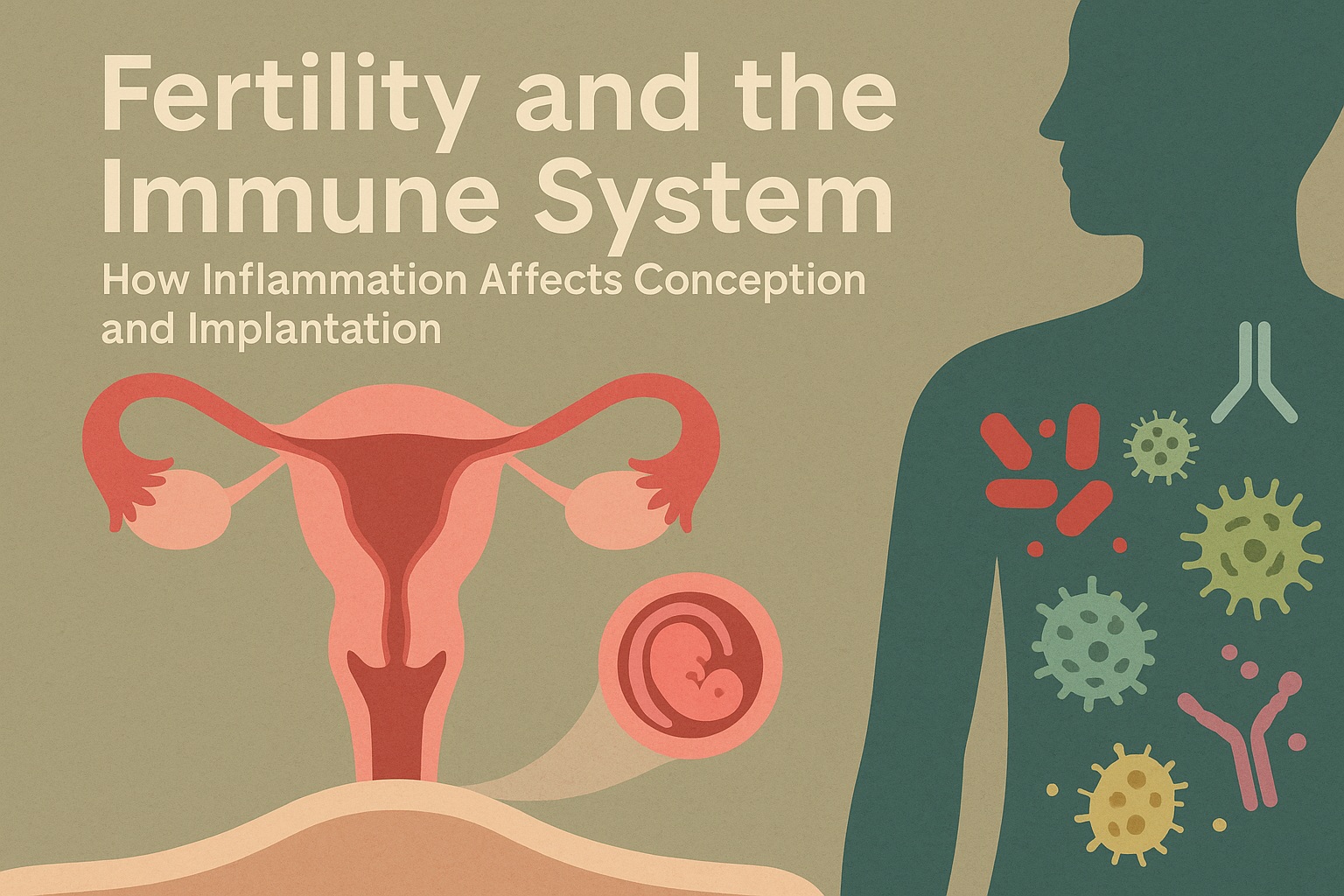
Fertility and the Immune System: How Inflammation Affects Conception and Implantation
Trying to conceive involves more than just sperm and egg—it also requires a delicate balance in the body’s immune system. Emerging research shows that immune health, especially inflammation and autoimmune activity, can play a crucial role in determining whether conception occurs and whether the embryo successfully implants and grows. This article explores how inflammation impacts fertility and what the science says about optimizing immune function for early pregnancy success.
Understanding the Immune System’s Role in Reproduction
At first glance, the immune system and pregnancy may seem like unlikely allies. After all, an embryo contains foreign DNA from the father. Yet a successful pregnancy requires the immune system to be finely tuned—not too aggressive and not too suppressed.
Key immune functions during reproduction include:
- Tolerance: The maternal immune system must accept the semi-foreign embryo
- Defense: It must still protect against infections that could threaten the pregnancy
- Regulation: Cytokines and immune cells must promote implantation and placental development
How Inflammation Affects Fertility
Inflammation is the immune system’s natural response to injury or pathogens. However, chronic or unregulated inflammation can interfere with the reproductive process in several ways:
- Ovulation disruption: Inflammatory markers can alter hormone levels, affecting ovulation
- Fallopian tube function: Inflammation may impair egg transport
- Endometrial receptivity: Excess cytokines may reduce the uterus’s ability to accept an embryo
- Embryo rejection: An overly active immune response may mistakenly attack the embryo
Autoimmune Conditions and Fertility
Autoimmune diseases such as lupus, Hashimoto’s thyroiditis, rheumatoid arthritis, and antiphospholipid syndrome have been associated with higher rates of infertility and pregnancy loss. This is often due to:
- Inflammatory cytokine elevation
- Disrupted uterine immune environment
- Increased risk of blood clots (particularly in antiphospholipid syndrome)
Women with autoimmune conditions may still conceive and carry healthy pregnancies, but they often benefit from specialized care from a reproductive immunologist or maternal-fetal medicine specialist.
Implantation and Cytokine Balance
Implantation is a complex dialogue between the embryo and the endometrial lining. Key immune mediators involved include:
- Th1/Th2 cytokine balance: Th2-dominant responses are more favorable for implantation
- Uterine Natural Killer cells: Unlike circulating NK cells, uNK cells help remodel blood vessels to support the embryo, but excessive numbers may impair implantation
Studies suggest that excessive pro-inflammatory cytokines may hinder implantation, while anti-inflammatory mediators promote success.
What the Research Shows
Several studies have explored the link between immune function and fertility:
- A 2020 meta-analysis found that elevated TNF-alpha levels were associated with recurrent implantation failure
- Women with unexplained infertility were more likely to have immune dysregulation, including altered NK cell activity and cytokine imbalances
- Low-dose steroid therapy or IVIG has shown potential in improving implantation rates in some women with immune-related infertility, though more large-scale trials are needed
Improving Immune Balance for Conception
There is no one-size-fits-all solution, but the following strategies may support reproductive immune health:
- Manage chronic inflammation (e.g., through diet, gut health, stress reduction)
- Treat underlying autoimmune conditions under medical supervision
- Consider testing for autoimmune markers if experiencing recurrent loss or failed implantation
- Discuss with a reproductive endocrinologist or immunologist if immune issues are suspected
Conclusion
Fertility is more than just hormones and timing—it’s also deeply connected to the immune system. Chronic inflammation and autoimmune activity can create barriers to conception and implantation, but with early detection and supportive care, many of these challenges can be overcome. As science continues to uncover the immune system’s role in pregnancy, personalized approaches to fertility care are becoming more powerful than ever.
FAQ
Should I get tested for immune issues if I’m struggling to conceive?
If you’ve experienced recurrent pregnancy loss, failed IVF cycles, or have a history of autoimmune disease, immune testing may be recommended.
Can I still conceive if I have an autoimmune condition?
Yes. Many women with autoimmune conditions have successful pregnancies with proper management and monitoring.
Are anti-inflammatory diets helpful for fertility?
Some evidence suggests that diets rich in omega-3s, antioxidants, and low in processed foods may support hormonal and immune health, though individual needs vary.

© Babyment. All Rights Reserved. 