Caffeine in Pregnancy: How Much Is Safe According to the Latest Research?
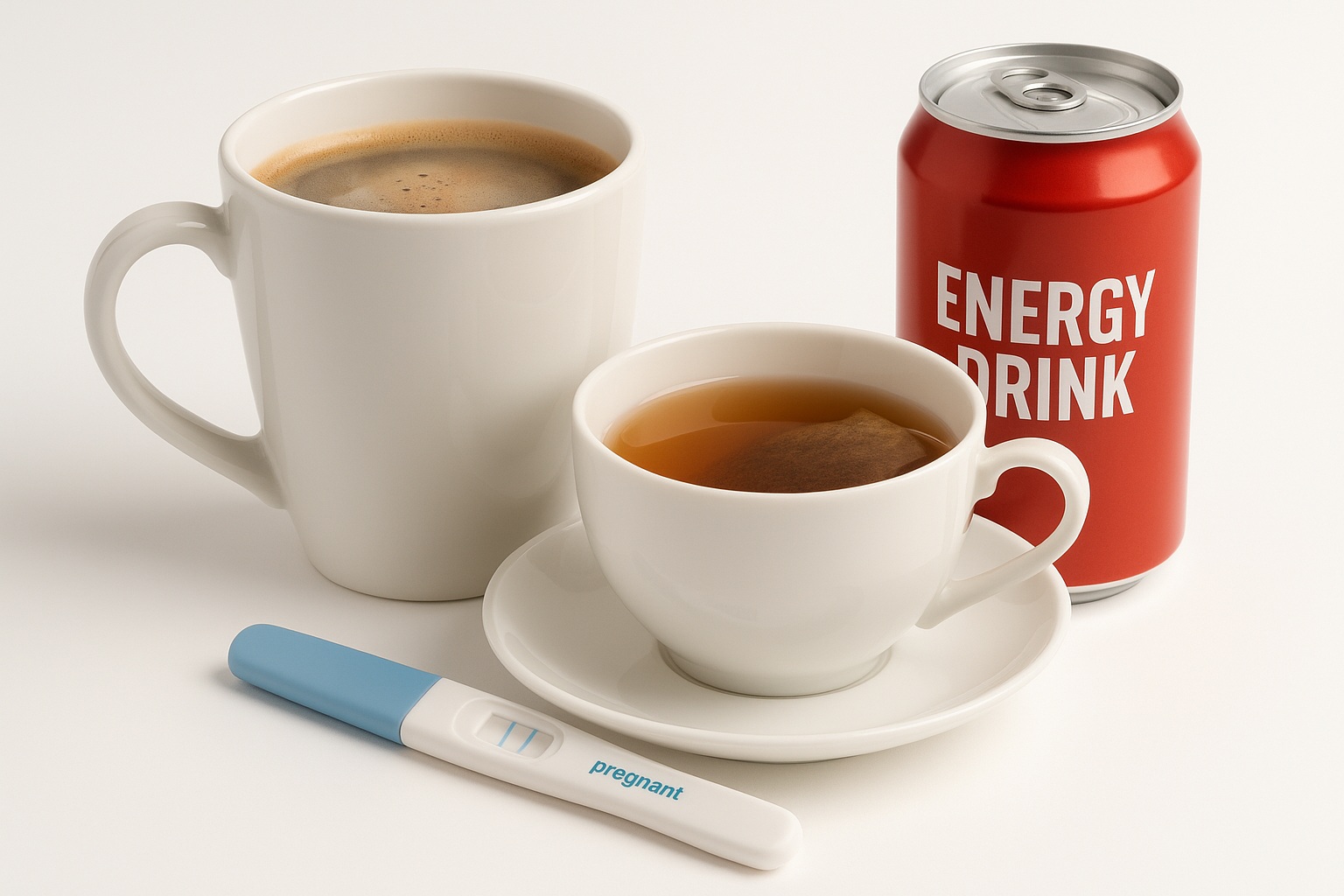
Evidence from studies on coffee, tea, and energy drink consumption during pregnancy
Caffeine is a daily staple for many—whether it’s a morning cup of coffee, a midday bubble tea, or a pick-me-up energy drink. But during pregnancy, the question arises: Is caffeine still safe? And if so, how much is too much? Recent studies continue to provide clearer guidance, helping expecting mothers make informed decisions.
What Is Caffeine and Why Is It a Concern in Pregnancy?
Caffeine is a natural stimulant found in coffee, tea, chocolate, cola, and energy drinks. It passes through the placenta to the baby, but the fetus cannot metabolize it effectively. As a result, excessive caffeine intake during pregnancy has been linked to risks such as:
- Low birth weight
- Miscarriage
- Stillbirth
- Preterm birth
That said, moderate caffeine intake has not been shown to cause major harm, according to most recent studies—but moderation is key.
Current Guidelines on Caffeine Intake
1. World Health Organization (WHO)
WHO recommends that pregnant women consume less than 300 mg of caffeine per day.
2. American College of Obstetricians and Gynecologists (ACOG)
ACOG advises pregnant women to limit caffeine intake to 200 mg per day, the equivalent of about:
- 1 cup (12 oz) of brewed coffee
- 2–3 cups of black tea
- Half a can of energy drink (which can vary greatly in caffeine content)
Latest Research Findings
- A 2021 meta-analysis in BMJ Evidence-Based Medicine found that even low levels of caffeine could be associated with increased risks of negative outcomes. The authors called for reconsidering current guidelines to lower the recommended limits.
- A 2023 study published in JAMA Network Open analyzed maternal caffeine intake and fetal growth and found small but measurable reductions in birth weight with consumption as low as 50–100 mg/day.
- However, not all research agrees. A 2022 observational study in The American Journal of Clinical Nutrition found no significant association between caffeine intake below 200 mg/day and pregnancy complications in a large U.S. cohort.
Sources of Caffeine – Not Just Coffee
| Beverage/Food | Average Caffeine Content |
|---|---|
| Brewed coffee (1 cup) | 95–120 mg |
| Espresso (1 shot) | 63 mg |
| Black tea (1 cup) | 40–70 mg |
| Green tea (1 cup) | 20–45 mg |
| Soda (1 can) | 30–50 mg |
| Dark chocolate (50g) | 20–40 mg |
| Energy drinks (250 ml) | 80–150+ mg |
What Pregnant Women Should Do
- Track your intake: Be mindful of all sources—not just coffee.
- Read labels: Energy drinks and some teas can be surprisingly high in caffeine.
- Switch to decaf or herbal teas: Most are naturally caffeine-free (but check for safety during pregnancy).
- Consult your doctor or midwife: Especially if you consume caffeine regularly or have pregnancy complications.
Conclusion
While many health authorities consider up to 200 mg/day of caffeine safe during pregnancy, newer research suggests even smaller amounts may carry some risk. It’s wise to err on the side of caution—reduce caffeine where possible, and stay informed. After all, those nine months set the stage for a lifetime of health.
FAQ
Q1: Can I drink coffee every day while pregnant?
Yes, but stick to one regular-sized cup (about 200 mg caffeine or less) per day.
Q2: Are decaf drinks safe?
Yes, decaffeinated drinks contain only trace amounts of caffeine and are generally considered safe.
Q3: Is it better to quit caffeine altogether during pregnancy?
If you can do so comfortably, reducing caffeine to as low as possible is ideal. However, complete abstinence is not medically required for most.
Q4: What about chocolate?
Chocolate contains caffeine in smaller amounts, so moderate consumption is usually safe, but it can add up if combined with other sources.
It takes a village to raise a child !
Join our Facebook Group For 2026 SG Mummies or Facebook Group 2027 SG Mummies
Link to our WhatsApp groups can also be found in the Facebook group
Subscribe to Our Newsletter to get important information about pregnancy and parenting.