Shortness of Breath During Pregnancy: When Is It Normal?
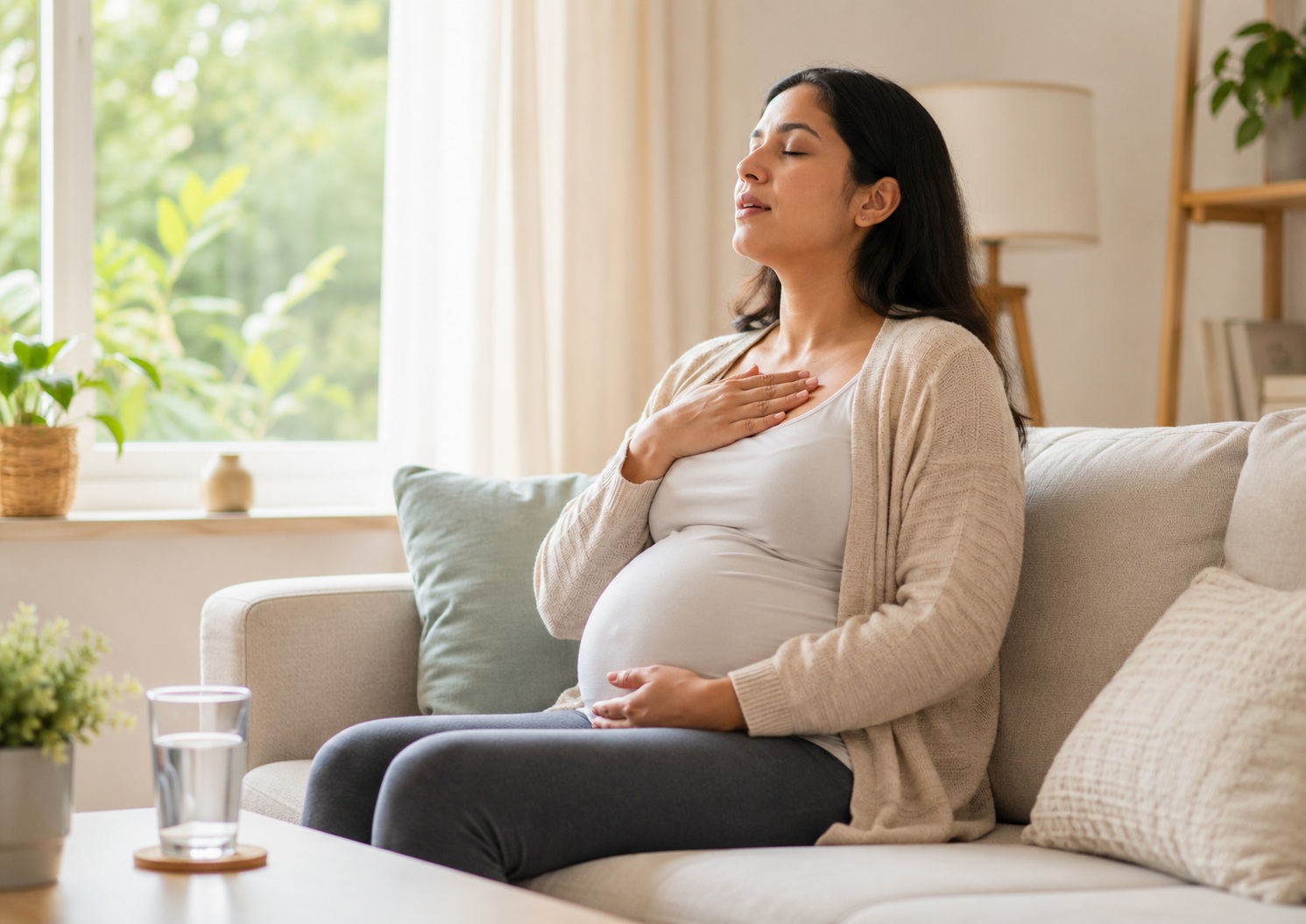
Many pregnant women notice that they get breathless more easily. You may feel winded when climbing stairs, walking quickly, talking for a long time, lying flat, or doing activities that used to feel easy before pregnancy.
In many cases, mild shortness of breath during pregnancy is normal. Pregnancy hormones, increased oxygen needs, a growing uterus, body weight changes and pressure under the ribs can all make breathing feel different. However, breathlessness should not be ignored if it is sudden, severe, painful, worsening, or comes with other symptoms such as chest pain, fainting, fast heartbeat, cough, fever, one-sided leg swelling or reduced baby movements.
ACOG notes that shortness of breath can be normal in pregnancy and may start early because pregnancy hormones affect the lungs. However, shortness of breath with chest pain, cough, heart palpitations, faintness or a major change in breathing should be discussed with an obstetrician. [1]
Why Does Shortness of Breath Happen During Pregnancy?
1. Pregnancy hormones affect breathing
In early pregnancy, hormonal changes can make you more aware of your breathing. Some women feel the need to take deeper breaths even before the belly becomes large.
2. Your body needs more oxygen
During pregnancy, your body is supporting both you and your growing baby. Your heart and lungs work harder to move oxygen around the body. This can make you feel more easily breathless during activity.
3. The growing uterus presses upward
In the second and third trimesters, the growing uterus can push upward under the rib cage and reduce the space available for the lungs to expand comfortably. Mayo Clinic explains that third-trimester shortness of breath is often due to pressure building under the rib cage as the baby grows. [2]
4. Anaemia may make breathlessness worse
Iron deficiency anaemia is common in pregnancy. If your red blood cells cannot carry enough oxygen, you may feel tired, dizzy, weak or more breathless than expected. Blood tests during antenatal care help detect anaemia.
5. Heartburn, poor sleep and anxiety can contribute
Heartburn may make it uncomfortable to lie flat. Poor sleep can make you feel more tired and winded. Anxiety or panic can also cause tight breathing, although this should be assessed carefully because serious medical causes must be ruled out first.
When Is Shortness of Breath Usually Normal?
Breathlessness is more likely to be a normal pregnancy symptom if it:
- Comes on gradually
- Happens mainly during exertion, such as climbing stairs
- Improves with rest
- Is mild and not painful
- Is not accompanied by chest pain, fainting, fever, cough or wheezing
- Does not suddenly worsen
Tommy’s, a UK pregnancy charity, explains that breathlessness in pregnancy can be normal, especially as the baby grows, but it should not be painful or come on suddenly and should not be accompanied by symptoms such as wheezing or cough. [3]
What Can Help Mild Pregnancy Breathlessness?
1. Slow down and take breaks
Pregnancy is not the time to force yourself to move at your pre-pregnancy pace. Walk slower, take breaks, and sit down when needed. If climbing stairs makes you breathless, pause halfway and hold the railing.
2. Practise good posture
Good posture can give your lungs more room to expand. Try sitting and standing tall with your shoulders relaxed. Mayo Clinic suggests practising good posture to give the lungs more room to expand. [2]
3. Sleep on your side or slightly propped up
If you feel breathless when lying flat, try sleeping on your side or raising your upper body slightly with pillows. This can also help if heartburn is making breathing feel uncomfortable.
4. Wear loose, comfortable clothing
Tight clothing around the chest, ribs or upper abdomen may make breathing feel more restricted. Choose comfortable maternity clothing that allows your chest and belly to expand.
5. Stay active if your doctor says it is safe
Gentle exercise such as walking or prenatal swimming can support fitness and circulation. However, you should slow down if you become breathless, dizzy or unwell. If you have pregnancy complications, follow your doctor’s advice on activity.
6. Manage heartburn
Heartburn can make breathlessness feel worse, especially at night. Smaller meals, avoiding trigger foods, staying upright after eating and sleeping slightly propped up may help.
7. Check for anaemia
If you are unusually tired, pale, dizzy or breathless, ask your doctor whether your blood count and iron levels need checking. Do not self-prescribe high-dose iron unless advised.
8. Use calm breathing during mild episodes
If your doctor has not found a serious cause and symptoms are mild, slow breathing may help:
- Sit upright.
- Relax your shoulders.
- Breathe in slowly through your nose.
- Breathe out gently through your mouth.
- Continue for a few minutes while resting.
When Is Shortness of Breath a Warning Sign?
Shortness of breath can sometimes be linked to serious conditions such as asthma flare, infection, anaemia, pre-eclampsia, blood clot in the lungs, or heart problems. Pregnant women should seek medical advice promptly if breathlessness feels different from usual or comes with other symptoms.
CDC lists trouble breathing as an urgent maternal warning sign, including feeling short of breath suddenly or over time, chest or throat tightness, or trouble breathing when lying flat. [4]
Seek Urgent Medical Help If You Have These Symptoms
Seek urgent medical care immediately if you have:
- Sudden or severe shortness of breath
- Chest pain, chest tightness or heavy chest feeling
- Fainting, severe dizziness or feeling like you may collapse
- Blue lips, pale skin, or confusion
- Fast, irregular or pounding heartbeat
- Coughing blood
- Fever, chills, persistent cough or wheezing
- One leg that is swollen, red, warm or painful
- Severe headache, blurred vision or sudden swelling of face or hands
- Shortness of breath when lying flat that is new or worsening
- Reduced baby movements in later pregnancy
Mayo Clinic advises getting medical care right away for severe shortness of breath that comes on suddenly or shortness of breath with chest pain, fainting, blue lips or nails, confusion, or after a long period of inactivity or long travel, as these may suggest serious causes such as a blood clot. [5]
Could It Be a Blood Clot?
Pregnancy increases the risk of blood clots. A clot in the leg, known as deep vein thrombosis, can sometimes travel to the lungs and cause a pulmonary embolism. This is a medical emergency.
Watch for:
- Sudden breathlessness
- Chest pain
- Coughing blood
- Fainting or severe dizziness
- One calf or leg that is swollen, red, warm or painful
Do not massage a swollen, painful, red or warm leg. Seek urgent medical help.
Could It Be Pre-eclampsia?
Pre-eclampsia is a pregnancy condition linked with high blood pressure and possible effects on organs. Shortness of breath can happen if there is fluid in the lungs. Mayo Clinic lists shortness of breath, severe headache, vision changes, upper abdominal pain, nausea or vomiting among possible pre-eclampsia symptoms. [6]
Seek urgent medical advice if breathlessness comes with:
- Severe headache
- Blurred vision or seeing spots
- Sudden swelling of the face, hands or feet
- Upper right abdominal pain
- Nausea or vomiting in the second half of pregnancy
- High blood pressure readings
Could It Be Asthma or Respiratory Infection?
If you have asthma, pregnancy can affect symptoms differently. Some women improve, some worsen, and some stay the same. Do not stop asthma medication without medical advice.
Contact your doctor if you have:
- Wheezing
- Persistent cough
- Fever
- Chest tightness
- Needing your reliever inhaler more often than usual
- Breathlessness that does not improve with your usual asthma plan
ACOG advises that pregnant individuals with difficulty breathing or chest pain during respiratory illness should be referred immediately for emergency assessment. [7]
Singapore-Friendly Practical Tips
In Singapore, heat, humidity, crowded trains and long commutes may make breathlessness feel worse. These small adjustments may help:
- Leave earlier so you do not need to rush.
- Use lifts or escalators when needed.
- Carry water and sip regularly.
- Take short breaks in shaded or air-conditioned areas.
- Avoid walking quickly under hot sun.
- Sit down on public transport if you feel breathless or dizzy.
- Ask for flexible work timing if peak-hour commuting worsens symptoms.
When Should You Speak to Your Doctor?
Speak to your gynae, doctor or maternity care provider if:
- Breathlessness is new, worrying or getting worse
- You feel breathless during normal daily activities
- You cannot lie flat comfortably because of breathing
- You have palpitations, dizziness or chest discomfort
- You have asthma, anaemia, heart disease or a history of blood clots
- You are unsure whether symptoms are normal
- Your breathlessness affects sleep, work or daily life
FAQ: Shortness of Breath During Pregnancy
Is shortness of breath normal during pregnancy?
Yes, mild breathlessness can be normal during pregnancy, especially if it comes on gradually, happens with activity and improves with rest. However, sudden, severe or painful breathlessness should be checked urgently.
Why do I feel breathless even in early pregnancy?
Pregnancy hormones can affect breathing early in pregnancy. Your body is also adjusting to increased oxygen needs and changes in blood circulation.
Why is breathlessness worse in the third trimester?
As the baby grows, the uterus can press upward under the rib cage, leaving less space for the lungs to expand comfortably. This may make you feel more winded, especially when lying flat or climbing stairs.
What can help mild shortness of breath during pregnancy?
Resting, slowing down, sitting upright, practising good posture, sleeping on your side or slightly propped up, wearing loose clothing, staying hydrated and managing heartburn may help mild symptoms.
When should I worry about shortness of breath during pregnancy?
Seek urgent medical help if breathlessness is sudden, severe, painful, worsening, or comes with chest pain, fainting, fast heartbeat, blue lips, cough, fever, one-sided leg swelling, severe headache, blurred vision or reduced baby movements.
Can shortness of breath be caused by anaemia?
Yes. Anaemia can make pregnant women feel tired, weak, dizzy or breathless. Blood tests during antenatal care can help detect anaemia.
Can shortness of breath harm my baby?
Mild pregnancy breathlessness usually does not harm the baby. However, severe or sudden breathlessness may signal a condition that needs urgent care, so it should not be ignored.
Key Takeaway
Shortness of breath during pregnancy can be normal when it is mild, gradual, linked to activity and improves with rest. It may be caused by pregnancy hormones, increased oxygen needs, a growing uterus and pressure under the ribs.
However, breathlessness should be taken seriously if it is sudden, severe, painful, worsening or comes with chest pain, fainting, fast heartbeat, cough, fever, one-sided leg swelling, severe headache, vision changes or reduced baby movements. When in doubt, contact your gynae or seek medical help promptly.
References
- [1] American College of Obstetricians and Gynecologists, The Top 6 Pregnancy Questions I Hear From First-Time Moms.
- [2] Mayo Clinic, 3rd Trimester Pregnancy: What to Expect.
- [3] Tommy’s, Breathlessness in Pregnancy.
- [4] CDC, Urgent Maternal Warning Signs: Trouble Breathing.
- [5] Mayo Clinic, Shortness of Breath: When to See a Doctor.
- [6] Mayo Clinic, Preeclampsia: Symptoms and Causes.
- [7] ACOG, Navigating Respiratory Illness Among Pregnant Patients.
It takes a village to raise a child !
Join our Facebook Group For 2026 SG Mummies or Facebook Group 2027 SG Mummies
Link to our WhatsApp groups can also be found in the Facebook group
Subscribe to Our Newsletter to get important information about pregnancy and parenting.