
Digital Boundaries for Toddlers: Why They Are More Important Than Ever
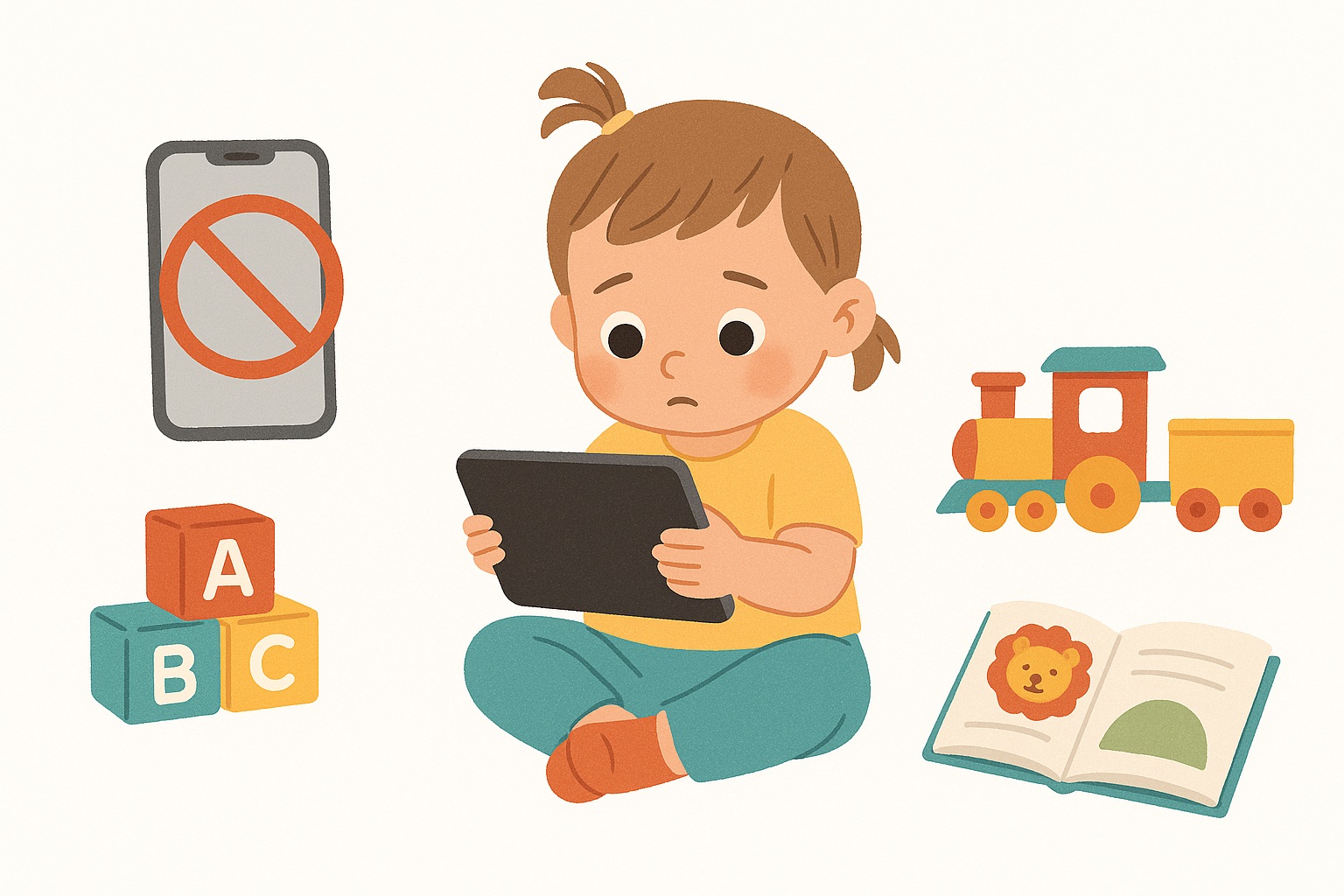
In today's tech-saturated world, screens are everywhere — from smartphones and tablets to smart TVs and interactive toys. While digital tools can be educational and entertaining, setting clear digital boundaries for toddlers has never been more important.
Why Are Digital Boundaries Necessary?
Experts agree that toddlers — typically aged 1 to 3 — benefit most from real-world interactions. Excessive screen time can negatively affect their:
- Language development: Toddlers learn best through face-to-face communication, not passive screen viewing.
- Sleep patterns: Screens, especially before bedtime, can disrupt sleep cycles.
- Attention span: Overexposure to fast-paced media may hinder a child's ability to concentrate.
- Emotional regulation: Toddlers may struggle to manage emotions if screens are often used as pacifiers.
How Much Screen Time Is Too Much?
According to the World Health Organization (WHO) and the American Academy of Pediatrics (AAP):
- Children under 18 months should avoid screen time, except for video chatting with family.
- Children aged 18 to 24 months may be introduced to high-quality content — with a caregiver watching and talking along.
- Children aged 2 to 5 should have no more than one hour of screen time per day, and ideally less.
Practical Ways to Set Digital Boundaries
- Model Healthy Habits: Children learn from what they see. Limit your own screen use around your toddler.
- Create Screen-Free Zones: Keep mealtimes, bedrooms, and outdoor playtime screen-free.
- Schedule Tech Time: Treat screen time like any other activity — with a clear start and end.
- Use Parental Controls: Use apps and device settings to filter content and monitor usage.
- Offer Alternatives: Encourage open-ended play with blocks, books, or pretend play to spark creativity.
What If Your Toddler Throws a Tantrum?
It's normal for toddlers to resist limits, especially if they're used to frequent screen access. Here's how to handle it:
- Stay calm and consistent: Toddlers thrive on routine. Reassure them and redirect attention to another fun activity.
- Be patient: Changing habits takes time. Praise your child when they accept boundaries calmly.
Benefits of Healthy Digital Boundaries
When digital boundaries are respected and consistent, parents often see improvements in:
- Sleep quality
- Language skills
- Imaginative play
- Parent-child bonding
FAQs
1. Is it okay to use screens for learning apps?
Yes, but moderation and co-viewing are key. Choose high-quality educational apps and participate with your child.
2. Can I use a screen during travel or emergencies?
Occasional use in special situations is fine. What matters is the overall balance and consistent routines at home.
3. How do I explain screen rules to a toddler?
Use simple language: “We're done with the tablet. Now let's play with blocks!” Repetition and routine help build understanding.
Final Thoughts
Setting digital boundaries for toddlers isn't about banning technology — it's about guiding young minds in a world where screens are part of everyday life. With patience, structure, and love, you can help your toddler build healthy digital habits from the very beginning.
It takes a village to raise a child !
Join our WhatsApp Groups or Facebook Group to interact with parents about infant care/child care in Singapore..
Subscribe to Our Newsletter to get important information about pregnancy and parenting.