
Digital Minimalism for Kids: What Dopamine Science Says About Boredom and Play
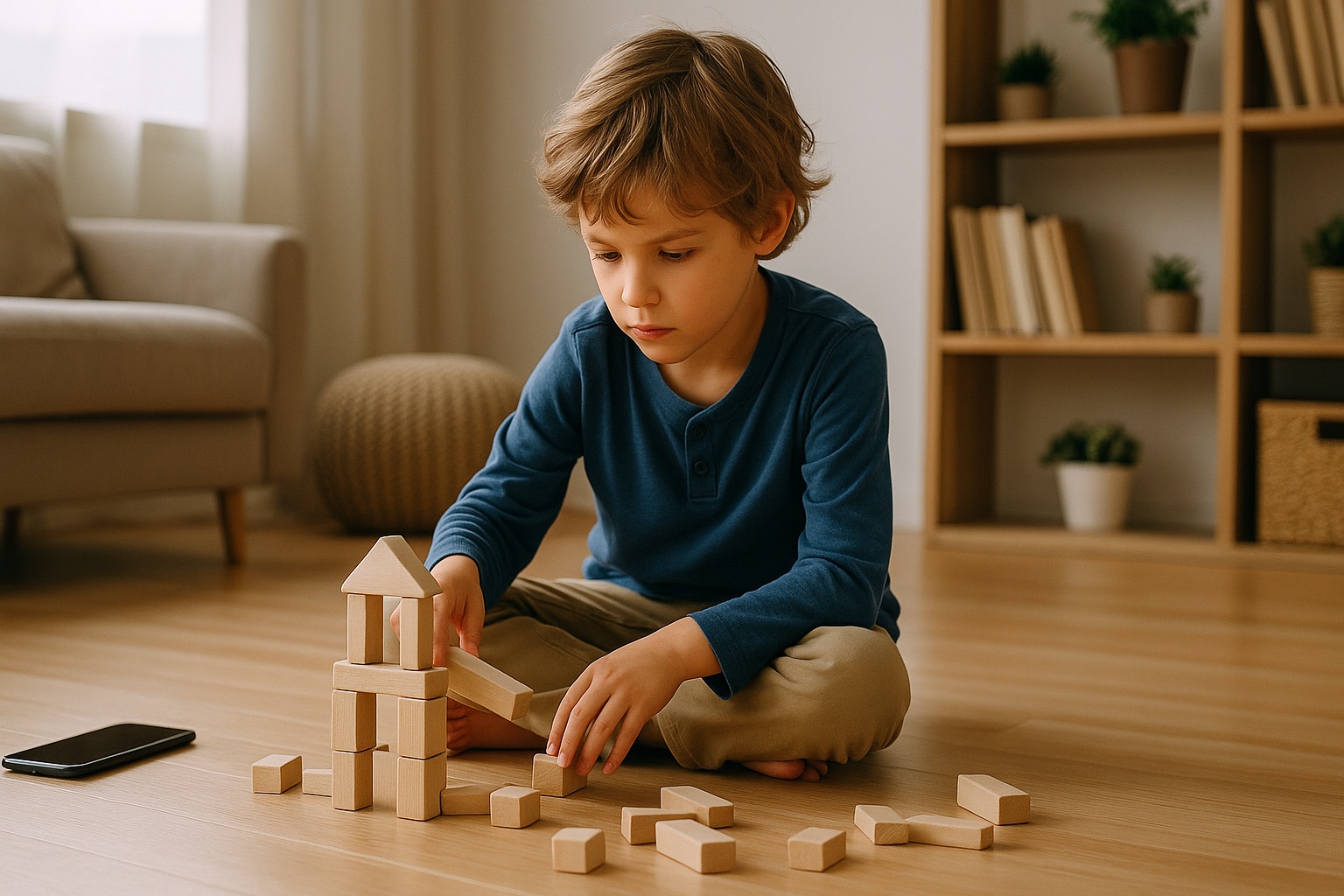
In an era where children are growing up with tablets, smartphones, and constant digital stimulation, many parents are turning to digital minimalism as a way to protect their child's developing brain. But what does the science really say about dopamine, screen time, and the value of boredom and play?
Understanding Dopamine and Digital Overload
Dopamine is a neurotransmitter involved in the brain’s reward system. Every time a child watches a fast-paced video, earns points in a game, or scrolls through a new app, dopamine is released — giving them a quick "hit" of pleasure. While this isn’t inherently harmful, frequent digital stimulation can lead to overactivation of the dopamine system, especially in young brains that are still developing.
According to neuroscience research, chronic overstimulation can affect attention, self-regulation, and emotional resilience. Dr. Anna Lembke, author of Dopamine Nation, notes that the modern environment bombards children with high-reward stimuli, which can dull their ability to experience pleasure from slower, more meaningful activities like reading, nature play, or imaginative games.
The Science of Boredom: Why It’s Beneficial
Boredom is often seen as a negative state to be avoided — but in child development, it plays a crucial role. When a child is bored, their brain is given the space to:
- Engage in imaginative play, which fosters cognitive flexibility and social development
- Initiate self-directed learning and curiosity-based exploration
- Develop problem-solving skills through trial and error
Dr. Teresa Belton, a researcher in creativity and child development, found that boredom is essential for cultivating inner reflection and creativity. Without downtime, children may struggle to generate their own ideas or cope with being alone with their thoughts.
Creativity Loss in the Age of Screens
Emerging research suggests that excessive screen use — especially passive consumption like watching YouTube or TikTok — can lead to a decline in spontaneous creative play. A longitudinal study published in Pediatrics linked more than two hours of recreational screen time per day with lower executive functioning and reduced creative fluency.
Furthermore, fast-paced and visually overstimulating content can reduce attention spans and diminish a child's capacity to engage with slower, open-ended forms of play such as drawing, storytelling, or building with blocks — all of which are foundational to innovation and emotional expression.
What Parents Can Do: Practical Digital Minimalism
- Introduce tech-free time on weekends or evenings to allow space for boredom and creativity
- Model digital restraint by limiting your own device use in front of children
- Create play-rich environments with access to open-ended toys, nature, books, and art supplies
- Encourage screen alternatives like outdoor play, puzzles, or music
Digital minimalism isn’t about banning screens completely — it’s about creating a balanced environment where children learn to derive joy from the world around them, not just pixels and pings.
Conclusion
By understanding the neuroscience of dopamine, overstimulation, and boredom, parents can make informed decisions about screen time. Digital minimalism allows children the mental space they need to develop creativity, resilience, and the ability to be fully present — skills that screens alone cannot teach.
FAQ
Is screen time always bad for kids?
No, screen time isn’t inherently harmful. The key is moderation and content quality. Educational and interactive apps can be beneficial when used sparingly and with parental guidance.
How much screen time is too much?
The American Academy of Pediatrics recommends no more than 1 hour of recreational screen time per day for children aged 2 to 5, and consistent limits for older kids based on age, maturity, and needs.
How can I help my child enjoy boredom?
Let your child feel bored without rushing to entertain them. Provide them with simple tools — like paper, blocks, or access to nature — and resist the urge to fill every quiet moment with a screen.
What’s the best age to start digital minimalism?
It’s never too early. The earlier children learn to entertain themselves without digital input, the better they’ll be at sustaining attention, managing emotions, and generating creative ideas.
Scientific and Professional Sources
- Lembke, A. (2021). Dopamine Nation. Dutton.
- American Academy of Pediatrics. (2016). Media and Young Minds.
- Belton, T. (2016). Boredom and Schooling: A Cross-Disciplinary Approach. Cambridge Journal of Education.
- Uhls, Y. T. et al. (2014). Five Days Without Screens Improves Kids’ Nonverbal Emotional Cue Recognition. Computers in Human Behavior.
It takes a village to raise a child !
Join our WhatsApp Groups or Facebook Group to interact with parents about infant care/child care in Singapore..
Subscribe to Our Newsletter to get important information about pregnancy and parenting.