
How to Raise Emotionally Intelligent Kids
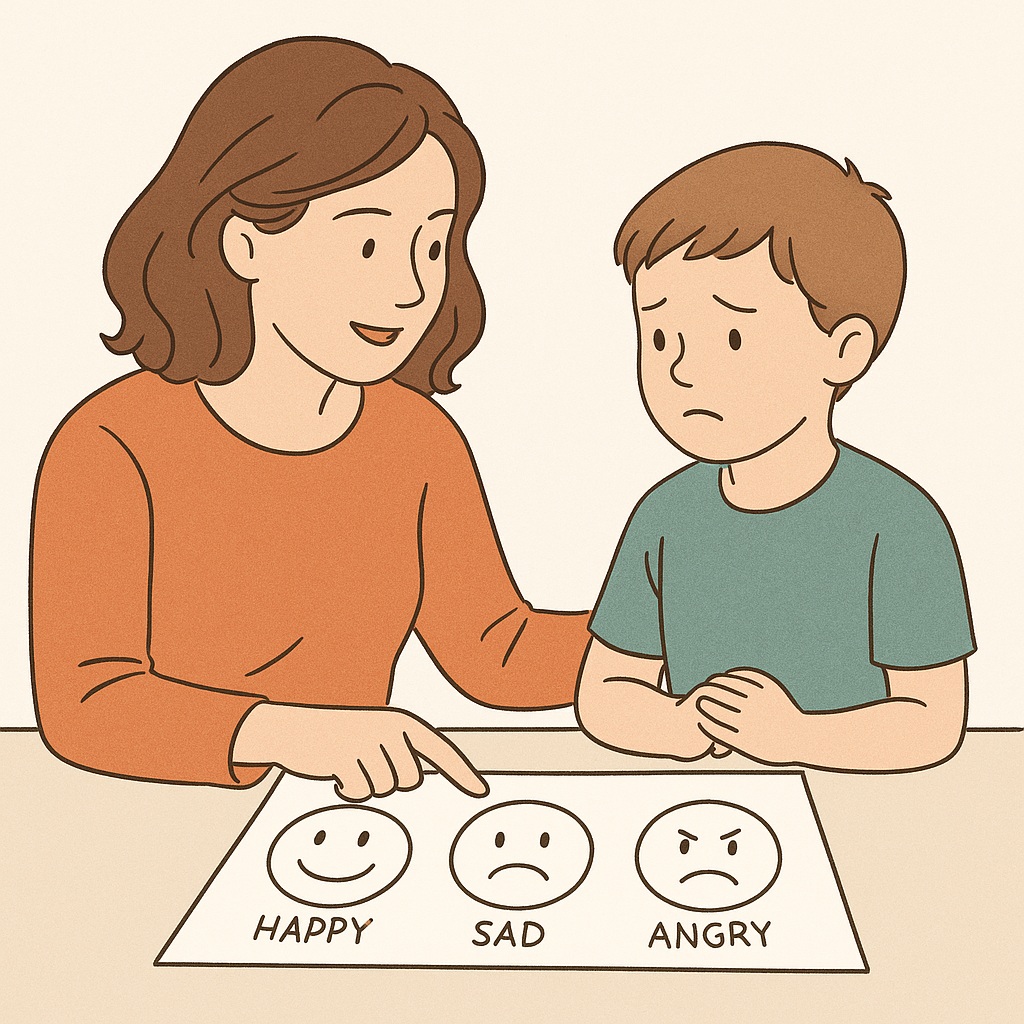
In a world where academic achievement often takes center stage, emotional intelligence (EQ) is increasingly recognized as a key predictor of a child's long-term happiness, resilience, and success. Emotionally intelligent kids are not only better at managing their own emotions—they're also more empathetic, better at resolving conflicts, and thrive in relationships.
What Is Emotional Intelligence?
Emotional intelligence is the ability to recognize, understand, and manage emotions—both one's own and others'. It involves five key components:
- Self-awareness: Recognizing one's own emotions
- Self-regulation: Managing emotional reactions
- Motivation: Channeling emotions to reach goals
- Empathy: Understanding the feelings of others
- Social skills: Navigating relationships effectively
Why It Matters for Kids
Kids with high emotional intelligence tend to:
- Form stronger friendships
- Adapt better to change and stress
- Perform well in school and group settings
- Have fewer behavioral issues
As children grow, developing EQ helps them not just academically, but emotionally and socially—skills that last a lifetime.
How Parents Can Nurture Emotional Intelligence
Raising emotionally intelligent kids doesn't happen overnight. It's a consistent, everyday effort. Here are practical ways to support your child's emotional growth:
1. Name the Feelings
Start by helping your child build a feelings vocabulary. Instead of saying "don't cry," try: "Are you feeling sad because your toy broke?" This helps kids connect physical reactions with emotional states.
2. Validate Emotions
Let your child know it's okay to feel what they feel. "I understand that you're frustrated right now" validates their experience and opens the door for healthy discussion.
3. Model Emotional Intelligence
Children learn from what they see. Express your emotions calmly, apologize when needed, and show empathy in your daily interactions. Say things like, "I'm feeling overwhelmed, so I'm going to take a few deep breaths."
4. Teach Problem-Solving Skills
When conflicts arise, guide your child through the process of finding a solution. Ask, "What do you think we can do to fix this?" instead of immediately solving it for them.
5. Encourage Empathy
Use storytelling, role-playing, or real-life situations to ask, "How do you think she felt?" This builds your child's ability to put themselves in others' shoes.
Emotionally Intelligent Kids Become Resilient Adults
Kids who are emotionally aware and equipped with the tools to express themselves are more confident, secure, and capable of facing life's challenges. They're also more likely to build stronger relationships and show compassion in a world that deeply needs it.
By prioritizing emotional intelligence at home, you're not just raising a well-behaved child—you're nurturing a future adult who knows how to handle their feelings, treat others with kindness, and thrive in both personal and professional life.
It takes a village to raise a child !
Join our WhatsApp Groups or Facebook Group to interact with parents about infant care/child care in Singapore..
Subscribe to Our Newsletter to get important information about pregnancy and parenting.