Picky Eating (12–36 Months): What To Do Without Pressure
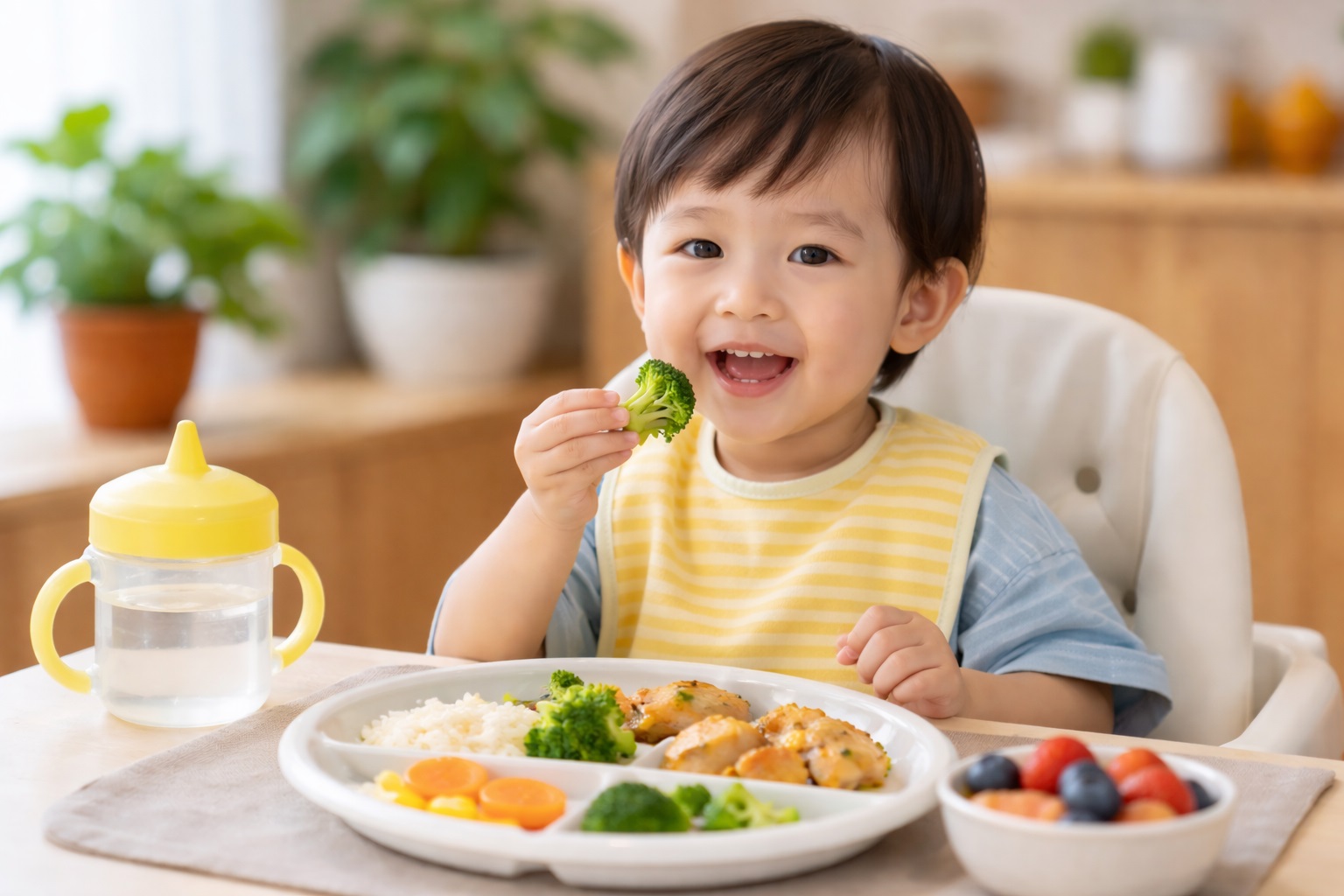
Picky Eating (12–36 Months): What To Do Without Pressure
If your toddler suddenly rejects vegetables, eats only plain rice, or asks for the same food every day, you’re not alone. Picky eating is very common between 12 and 36 months, when toddlers are learning independence and their growth rate slows down compared to babyhood.
This guide shares pressure-free, practical strategies that support healthy eating habits without turning meals into a daily battle.
Why toddlers become picky (and why it’s normal)
Many toddlers become picky because:
- They want control (a normal developmental stage).
- Growth slows, so appetite can drop compared to when they were babies.
- They’re sensitive to textures, smells, and mixed foods.
- New foods feel “unsafe” at first (toddlers often prefer familiar tastes).
The goal is not to “fix” picky eating overnight, but to build a calm routine where your child can learn to eat well over time.
What “success” looks like (realistic expectations)
- Your toddler eats enough overall across a week (not every meal).
- They slowly tolerate new foods by seeing them often (even if they don’t eat them yet).
- Mealtimes stay safe and calm, not stressful.
A helpful mindset: Parents decide “what, when, where.” Toddlers decide “whether and how much.”
What to do: no-pressure strategies that work
1) Keep a simple meal and snack routine
Try 3 meals + 1–2 planned snacks daily. Toddlers do better when they know food is predictable. If they graze all day, they may never arrive at meals hungry enough to try new foods.
2) Serve tiny portions (and allow seconds)
Big portions can feel overwhelming. Start with small amounts:
- 1–2 spoonfuls of veg
- a small piece of protein (egg/chicken/tofu/fish)
- a toddler-sized portion of carbs (rice/noodles/bread)
If they want more, offer more. This builds confidence without pressure.
3) Repeat exposure (many times)
Toddlers often need to see a new food repeatedly before they accept it. Keep serving the food calmly in small amounts, even if they don’t eat it yet. Seeing, touching, smelling, or licking still counts as learning.
4) Use “safe foods” + one learning food
At each meal, include 1–2 foods your child usually accepts, plus 1 “learning food” (a new or disliked item). This reduces anxiety and increases willingness to explore.
5) Offer choices (limited choices, not open-ended)
Toddlers like control. Use two options:
- “Do you want banana or orange?”
- “Do you want carrot or cucumber?”
6) Keep mealtimes short and consistent
A practical target is 15–25 minutes. If your child doesn’t eat, end the meal calmly. Avoid long “negotiations” at the table.
7) Make it easier to succeed (texture, shape, and separation)
- Some toddlers prefer foods not mixed (separate rice, veg, protein).
- Try different textures: steamed, roasted, shredded, mashed, soup.
- Cut into fun shapes or sticks (easier to hold).
8) Use neutral language
Instead of “Good boy, you ate broccoli!”, try: “Broccoli is on the plate. You can eat it if you want.” Calm, neutral language reduces pressure.
What to avoid (common pressure traps)
- Forcing bites (“Just 3 more spoons!”)
- Chasing with food around the house
- Bribes (“Eat veg and you get cookies”) — this can make veg feel like a punishment
- Screen meals every day — it can disconnect hunger/fullness signals
- Cooking separate meals every time — try “family food + small adjustments” instead
One important note: if your toddler is sick, teething, or has constipation, appetite can drop. Be gentle, and return to routines after.
Simple meal ideas (Singapore-friendly)
These are examples you can adapt at home. Keep seasoning mild and cut into toddler-friendly pieces.
Breakfast
- Oatmeal + banana + peanut butter (thin spread) / or yogurt
- Egg omelette strips + toast + fruit
- Plain porridge + shredded chicken + spinach (offer spinach separately if needed)
Lunch / Dinner
- Rice + steamed fish/tofu + cucumber sticks
- Noodles + minced chicken + veg on the side
- Soup-based meals (ABC soup-style) with soft veg + protein + rice
Snacks
- Fruit + cheese cubes
- Milk/soy milk + crackers
- Yogurt + chia (if age-appropriate) + fruit
When to see a doctor
Picky eating is common, but seek medical advice if you notice:
- Weight loss, poor growth, or you’re told your child is not gaining weight
- Frequent vomiting, choking, gagging, or trouble swallowing
- Very limited diet (e.g., only a few foods) that is getting worse over time
- Signs of dehydration, extreme constipation, or severe food refusal
- Concerns about speech, chewing skills, or sensory issues
If you’re unsure, it’s okay to check with a paediatrician or a paediatric dietitian for Singapore-specific guidance.
FAQ: Toddler picky eating (12–36 months)
How long does picky eating last?
It varies. Many toddlers go through phases. Consistent routines and low-pressure exposure usually help over months, not days.
Should I stop offering foods my toddler rejects?
No. Keep offering in small amounts without pressure. Repeated exposure is how toddlers learn.
Is it okay if my toddler eats the same foods every day?
It’s common. Aim for variety across a week. Keep one or two “safe foods” while gently rotating small amounts of new items.
Should I give vitamins or supplements?
Only if advised by your doctor. Food first is best, but some children may need supplements depending on diet and growth.
It takes a village to raise a child !
Join our WhatsApp Groups or Facebook Group to interact with parents about infant care/child care in Singapore..
Subscribe to Our Newsletter to get important information about pregnancy and parenting.