Secure Attachment and Long Term Mental Health: A Research Review
Introduction
Why do some people bounce back easily from setbacks while others struggle with anxiety or depression for years? Increasingly, research in developmental psychology and neuroscience points to one key factor formed in early childhood: attachment. This article reviews the growing body of evidence linking secure attachment in infancy to positive emotional, cognitive, and social outcomes well into adulthood.
What Is Secure Attachment?
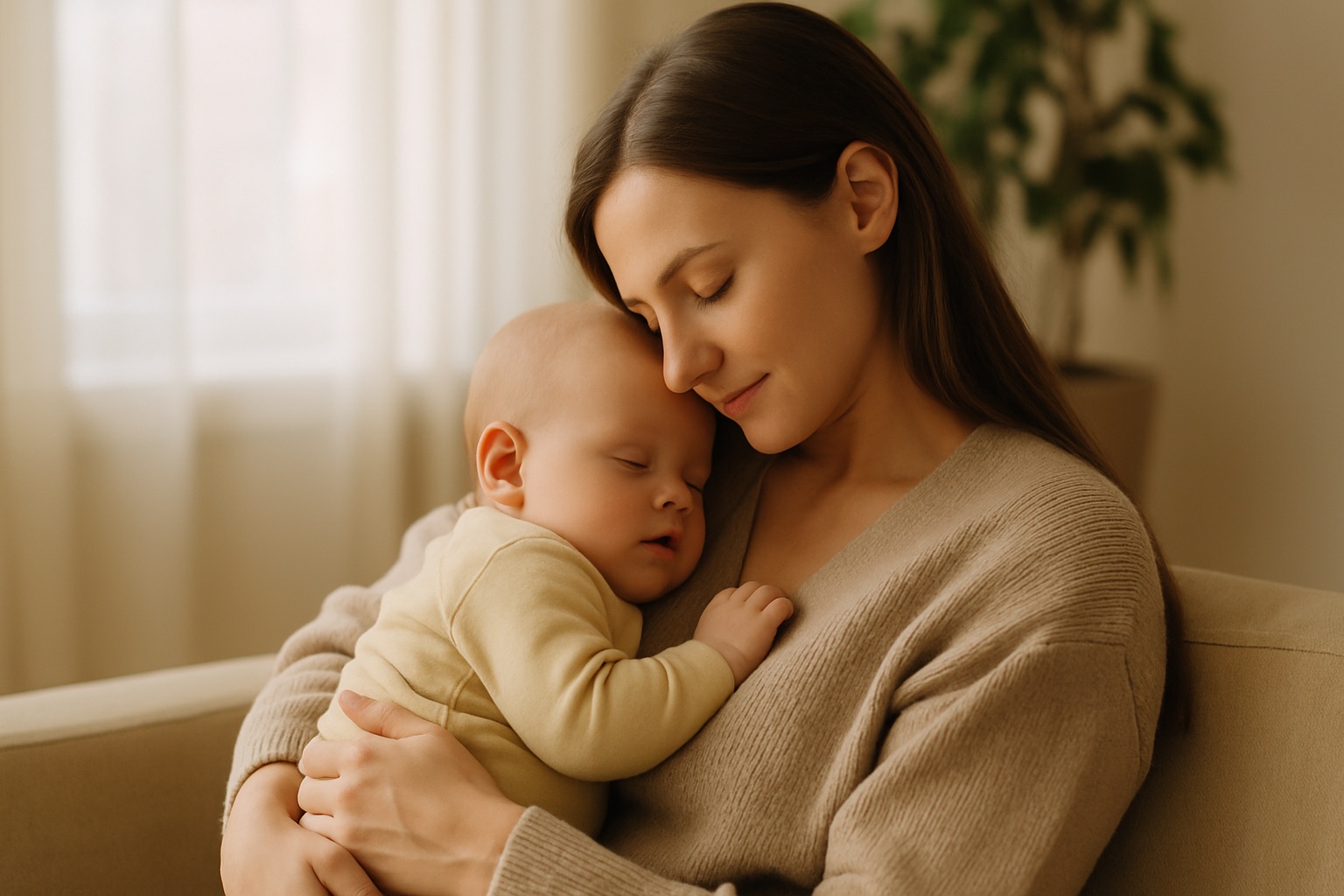
Secure attachment develops when a caregiver consistently responds to a child’s needs with sensitivity, warmth, and reliability. According to John Bowlby’s attachment theory and later expanded by Mary Ainsworth, securely attached infants:
- Feel safe to explore their environment
- Seek comfort from their caregiver during distress
- Trust that their needs will be met
In contrast, insecure attachment (anxious, avoidant, or disorganized) can arise when caregiving is inconsistent, neglectful, or frightening.
How Early Attachment Shapes the Brain
Secure attachment is not just emotionally comforting—it is biologically formative. Responsive caregiving in early years affects:
- Stress regulation systems (e.g., the hypothalamic-pituitary-adrenal axis)
- Neural circuitry in areas like the amygdala, hippocampus, and prefrontal cortex
- Oxytocin pathways, associated with bonding and empathy
Neuroscience Insight: A 2017 review in Frontiers in Psychology reported that securely attached children showed more balanced brain activation in regions linked to emotion regulation and lower cortisol levels in response to stress.
Long-Term Emotional Outcomes
| Mental Health Domain | Findings from Research |
|---|---|
| Anxiety and Depression | Securely attached individuals report fewer symptoms in adolescence and adulthood. (Bifulco et al., 2006) |
| Emotional Regulation | Better coping mechanisms and ability to manage distress. (Mikulincer & Shaver, 2012) |
| Self-esteem and Identity | Greater self-worth and more coherent sense of self. (Allen & Tan, 2016) |
| Social Relationships | More empathetic, trusting, and less conflict-prone. (Waters et al., 2000) |
Secure Attachment in Adulthood
Attachment patterns often persist—but they are not fixed. Adults who had secure attachments as children are more likely to:
- Have stable romantic relationships
- Be resilient to trauma
- Form strong friendships and support networks
Attachment-based therapy has even been shown to help those with insecure histories develop healthier relational patterns.
Can Insecure Attachment Be Repaired?
Yes. "Earned secure attachment" refers to adults who were insecurely attached as children but developed secure patterns later in life, often due to:
- A consistent, caring partner
- Therapy or personal growth
- Positive adult role models
Key Study: The Minnesota Longitudinal Study of Risk and Adaptation (Sroufe et al., 2005) found that changes in caregiving and environment could shift attachment styles, influencing life outcomes.
Conclusion
Secure attachment in infancy lays the groundwork for emotional strength, resilience, and psychological well-being. While early experiences matter profoundly, the story doesn’t end in childhood. With the right relationships and support, attachment patterns can change, offering hope and healing at any age.
FAQ
What is secure attachment?
Secure attachment occurs when a caregiver consistently responds to a child’s emotional and physical needs in a sensitive and dependable way, creating a sense of safety and trust in the child.
Does secure attachment guarantee good mental health?
While it doesn't guarantee immunity from mental health challenges, secure attachment significantly reduces the risk of anxiety, depression, and emotional dysregulation across the lifespan.
Can insecure attachment be repaired in adulthood?
Yes. Through supportive relationships, therapy, and self-awareness, individuals can develop what’s known as “earned secure attachment,” leading to improved mental health and relationships.
Scientific and Professional Sources
- Bowlby, J. (1969). Attachment and Loss. Basic Books.
- Ainsworth, M. D. S., Blehar, M. C., Waters, E., & Wall, S. (1978). Patterns of Attachment: A Psychological Study of the Strange Situation.
- Mikulincer, M., & Shaver, P. R. (2012). Attachment in Adulthood: Structure, Dynamics, and Change. Guilford Press.
- Bifulco, A., Moran, P. M., Ball, C., & Bernazzani, O. (2006). Adult attachment style and risk of affective disorder: A 20-year longitudinal study. Social Psychiatry and Psychiatric Epidemiology.
- Sroufe, L. A., Egeland, B., Carlson, E. A., & Collins, W. A. (2005). The Development of the Person: The Minnesota Study of Risk and Adaptation from Birth to Adulthood.
- Allen, J. P., & Tan, J. S. (2016). The multiple facets of attachment in adolescence. In Handbook of Attachment, 2nd ed.
It takes a village to raise a child !
Join our WhatsApp Groups or Facebook Group to interact with parents about infant care/child care in Singapore..
Subscribe to Our Newsletter to get important information about pregnancy and parenting.