The Power of Play: How Unstructured Play Shapes Brain Architecture
In an age of scheduled enrichment classes and digital distractions, unstructured play is often overlooked. But according to experts, including those at Harvard’s Center on the Developing Child, free play is far more than just fun—it’s a fundamental force that shapes the developing brain.
What Is Unstructured Play?
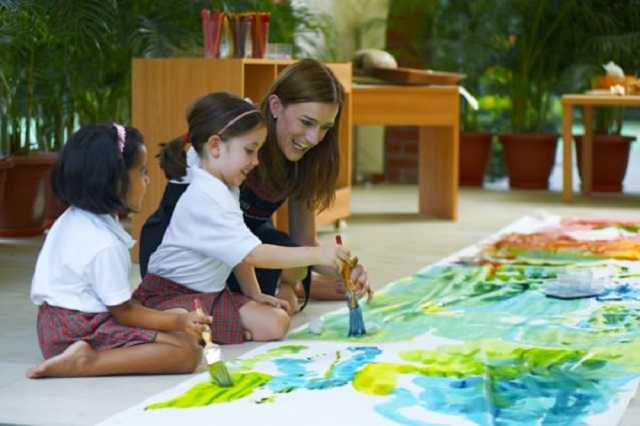
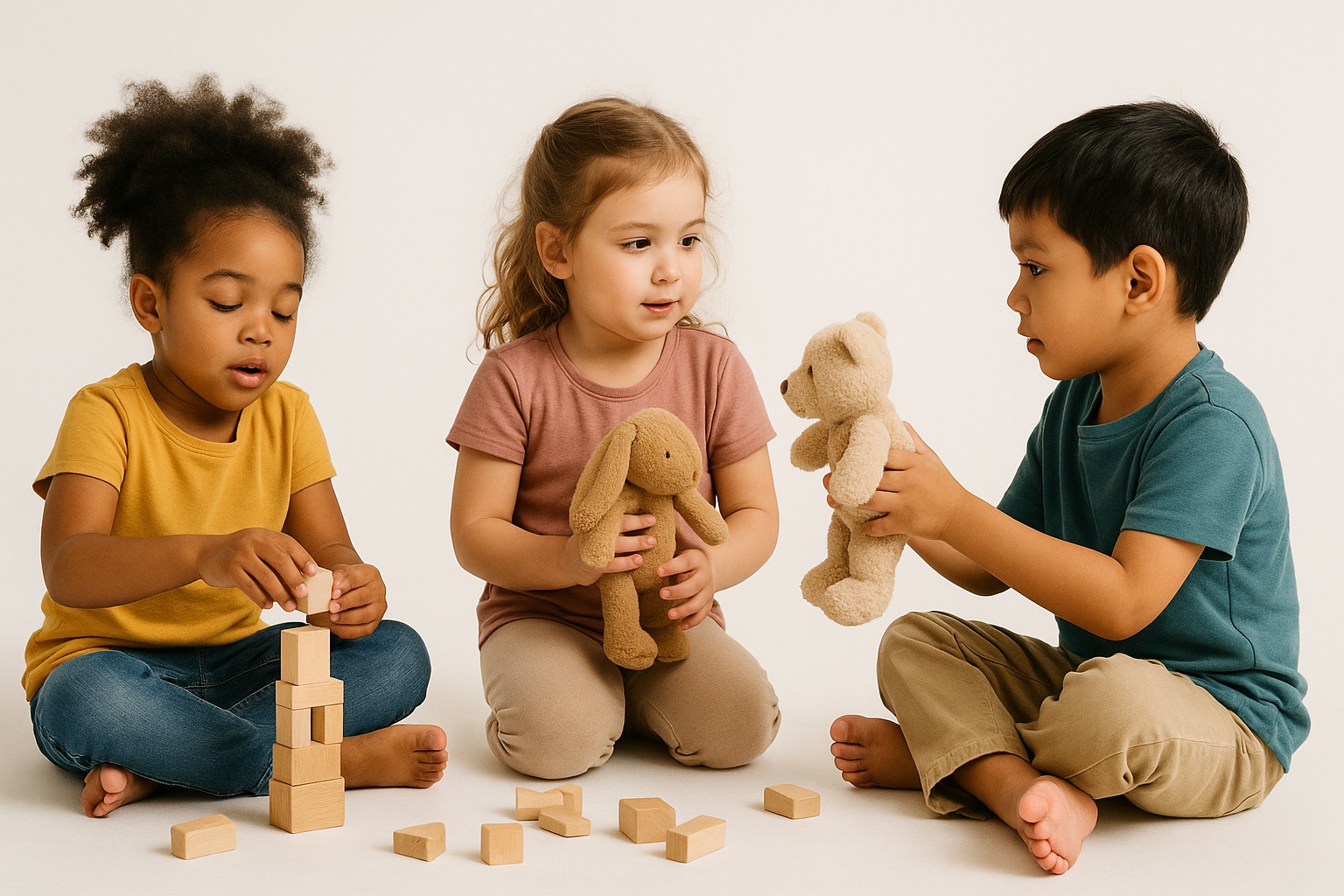
Unstructured play refers to open-ended, self-directed activity without specific goals, rules, or adult direction. It includes pretend games, exploring outdoors, building with blocks, and creating stories or art with whatever materials are at hand. The child decides what to do, how to do it, and for how long.
How the Brain Builds Through Play
According to Harvard’s research on brain architecture, early experiences—particularly repeated, positive experiences like play—help build neural connections. These form the foundation for lifelong learning, behavior, and health.
Key Benefits of Unstructured Play:
- Executive Function Skills: Through imaginative scenarios, kids practice problem-solving, self-regulation, and working memory.
- Emotional Development: Play helps children process emotions, develop empathy, and manage stress.
- Language and Communication: Children use rich vocabulary and narrative structures in pretend play, supporting literacy and expression.
- Social Skills: When children play with peers, they learn negotiation, cooperation, and conflict resolution.
The Science Behind It
Harvard’s Center on the Developing Child emphasizes that early brain development is experience-dependent. Neural circuits are strengthened by active engagement, not passive consumption. Unstructured play, by its nature, encourages creativity, flexibility, and adaptive thinking—skills linked to long-term cognitive resilience.
In one study, children who engaged in regular imaginative play showed stronger connections in brain areas related to social cognition. Another study linked free play to improved impulse control and attention span in preschoolers.
What’s at Risk Without It?
Increasing screen time and structured schedules have led to a decline in unstructured playtime. This shift may compromise development of core brain systems involved in self-control, planning, and emotional regulation. In fact, experts warn that a lack of play can contribute to anxiety, attention issues, and reduced academic performance later in life.
How Parents and Educators Can Support Play
- Set aside regular time for free play—indoors and outdoors
- Limit screens and overly structured activities
- Offer safe, open-ended materials like blocks, art supplies, or natural objects
- Resist the urge to direct or solve problems—let children lead
- Model curiosity and joy in exploration
Conclusion
Unstructured play is not a luxury—it’s a developmental necessity. The latest neuroscience confirms what generations of parents have known intuitively: when children play freely, they build stronger brains. By protecting time and space for imaginative play, we nurture the architects of tomorrow’s creativity, resilience, and innovation.
It takes a village to raise a child !
Join our WhatsApp Groups or Facebook Group to interact with parents about infant care/child care in Singapore..
Subscribe to Our Newsletter to get important information about pregnancy and parenting.