Baby and Child Skin Guide: Eczema, Cradle Cap, Diaper Rash, Heat Rash (Evidence Based)
Child Health (Singapore)
Skin in Babies & Kids: Eczema, Cradle Cap, Diaper Rash, Heat Rash
Many childhood rashes look similar at first. This guide helps you identify four common ones and manage them safely at home. If you’re unsure, the rash is rapidly worsening, or your child seems unwell, get medical advice.
Quick “spot the difference” cheat sheet
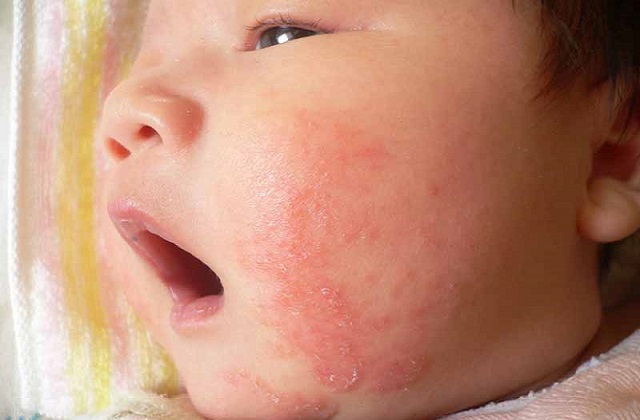
Eczema (atopic dermatitis)
- Dry, itchy, inflamed patches that come and go
- Often cheeks, arms/legs, creases (elbows/knees)
- Scratch–itch cycle; skin may look thickened over time
Cradle cap (infant seborrhoeic dermatitis)
- Greasy/yellowish scales on scalp
- Usually not very itchy; baby generally well
- Often improves with gentle care over time
Diaper rash (irritant dermatitis)
- Red, sore skin in diaper area
- Triggered by moisture + friction + stool/urine contact
- Often improves quickly with barrier care
Heat rash (prickly heat / miliaria)
- Tiny red bumps in hot, sweaty, covered areas
- Neck folds, back, chest, groin, armpits
- Improves with cooling + drying the skin
1) Eczema: what helps (evidence-based)
Eczema is driven by skin barrier weakness and inflammation. The main goals are to restore the barrier, control flares early, and reduce scratching. Singapore HealthHub emphasises frequent emollient use and notes that appropriate topical steroids are safe and essential for treatment when needed. :contentReference[oaicite:0]{index=0}
Do this
- Moisturise often (emollients): apply generously, especially after bathing. :contentReference[oaicite:1]{index=1}
- Treat flares early: use the medication plan your clinician gave (often topical steroids for red/itchy inflamed areas). :contentReference[oaicite:2]{index=2}
- Use the right technique: topical steroids should be applied as a thin layer to affected areas and stopped when symptoms clear, following label/doctor instructions. :contentReference[oaicite:3]{index=3}
- Reduce triggers: gentle fragrance-free cleansers, avoid hot baths, keep nails short, consider cotton clothing.
Avoid this
- Skipping moisturiser until skin looks “dry” (eczema skin benefits from frequent barrier support). :contentReference[oaicite:4]{index=4}
- Fear-based underuse of prescribed topical steroids (misuse is risky, but correct use is commonly described as safe and effective). :contentReference[oaicite:5]{index=5}
2) Cradle cap: gentle scalp care
Cradle cap is common in babies. UK NHS guidance recommends gentle measures such as emollients and unperfumed baby shampoo; avoid picking scales. :contentReference[oaicite:6]{index=6}
Do this
- Soften first: apply an emollient to the scalp to loosen scales. :contentReference[oaicite:7]{index=7}
- Gently lift: use a soft baby brush (no scraping). :contentReference[oaicite:8]{index=8}
- Wash: use unperfumed baby shampoo regularly. :contentReference[oaicite:9]{index=9}
Avoid this
- Don’t pick at scales (can irritate and increase infection risk). :contentReference[oaicite:10]{index=10}
- Avoid harsh soaps or adult dandruff products unless advised by a clinician.
Seek advice if cradle cap spreads widely, looks infected, or doesn’t improve after a few weeks of gentle care. :contentReference[oaicite:11]{index=11}
3) Diaper rash: protect the skin barrier (fast wins)
Diaper rash is often caused by prolonged wetness and friction. Major paediatric and medical resources recommend frequent changes, gentle cleaning, and using thick barrier creams (zinc oxide or petroleum jelly). :contentReference[oaicite:12]{index=12}
Do this
- Change diapers often and give “air time” when possible.
- Clean gently: water or fragrance-free wipes; pat dry.
- Use a thick barrier layer: zinc oxide or petrolatum, applied generously (think “icing on a cupcake”). :contentReference[oaicite:13]{index=13}
- Don’t scrub off clean paste: if it’s not soiled, add a new layer on top. :contentReference[oaicite:14]{index=14}
When it might be yeast (needs clinician advice)
- Beefy red rash with satellite spots in skin folds
- Worsens despite good barrier care after a few days
4) Heat rash: cool, dry, and reduce sweating
Heat rash usually improves by cooling the skin and avoiding heat exposure. :contentReference[oaicite:15]{index=15}
Do this
- Move your child to a cooler environment (fan/aircon) and remove extra layers.
- Cool bath or cool compress; pat dry gently.
- Loose, breathable clothing (cotton) and keep skin folds dry.
Avoid this
- Heavy, oily products that may clog pores and worsen sweat trapping.
- Over-bundling during naps and sleep.
See a clinician if the rash lasts more than a few days, worsens, or your child appears unwell. :contentReference[oaicite:16]{index=16}
When to see a doctor urgently
- Fever, lethargy, poor feeding, dehydration
- Rapidly spreading redness, warmth, swelling, pus, or honey-coloured crusts
- Blisters, open sores, significant pain
- Rash near eyes with swelling, or child looks very unwell
- Diaper rash not improving after 2–3 days of good barrier care
FAQ
Can I use steroid cream for every rash?
No. Topical steroids are mainly for inflammatory conditions like eczema and should be used as directed. For diaper rash and heat rash, barrier care or cooling is usually the first-line approach. :contentReference[oaicite:17]{index=17}
How often should I moisturise eczema?
Many clinical resources recommend frequent emollient use, especially after bathing and whenever skin is dry/itchy. :contentReference[oaicite:18]{index=18}
Is cradle cap caused by poor hygiene?
No—cradle cap is common and not a sign of poor parenting. Gentle washing and softening scales is usually enough. :contentReference[oaicite:19]{index=19}
What’s the best diaper rash cream ingredient?
Zinc oxide and petroleum jelly are widely recommended barrier ingredients. :contentReference[oaicite:20]{index=20}
What if my child’s rash keeps coming back?
Recurrent eczema flares often need a consistent moisturising routine plus a flare plan. Recurrent diaper rash may need changes to wiping, diapers, or evaluation for yeast/irritation triggers. :contentReference[oaicite:21]{index=21}
It takes a village to raise a child !
Join our WhatsApp Parenting Chat Groups By Area in Singapore.
Subscribe to Our Newsletter to get important information about pregnancy and parenting.