Breastfeeding After a C Section: Positioning, Pain, and Recovery Tips
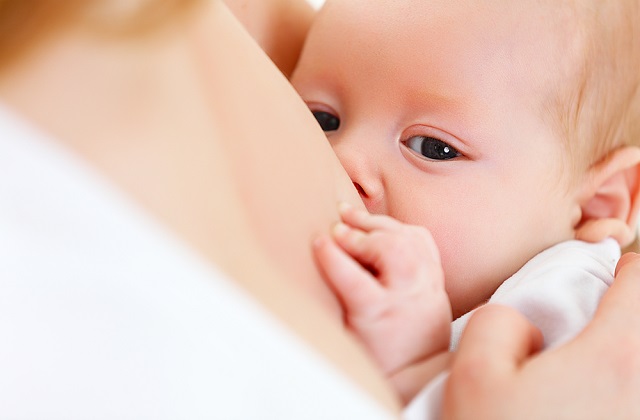
Cesarean delivery, while common, can complicate the early stages of breastfeeding due to surgical pain, anesthesia effects, and delayed mother-infant bonding. However, research consistently shows that with the right support, most mothers who deliver via C-section can initiate and maintain exclusive breastfeeding successfully. This article explores best practices in positioning, pain management, and recovery strategies based on current clinical recommendations and research evidence.
Why C-Section Impacts Breastfeeding
C-section births are associated with a slightly delayed onset of lactogenesis II — the phase of increased milk volume — by approximately 24 hours on average, compared to vaginal births. The delay is often attributed to separation of mother and infant, reduced oxytocin release, and stress responses triggered by surgical recovery.
According to the Academy of Breastfeeding Medicine (ABM), cesarean delivery is a known risk factor for early breastfeeding difficulties, but timely interventions — such as skin-to-skin contact and guided latching — can mitigate these risks.
Evidence-Based Breastfeeding Positions After C-Section
1. Laid-Back Position (Biological Nurturing)
This semi-reclined posture allows the baby to rest on the mother’s chest and self-latch using innate reflexes. It reduces abdominal pressure and uses gravity to aid latch. Studies show this position promotes higher breastfeeding initiation rates and reduced maternal pain.
2. Football Hold (Clutch Hold)
The baby is positioned beside the mother’s body, under the arm, with the head supported by the mother’s hand. Pillows can elevate the baby and reduce tension. A 2020 Cochrane review found this position effective in reducing latch pain and facilitating eye contact and control.
3. Side-Lying Position
Useful for mothers who need to stay in bed longer. The baby lies parallel to the mother, facing the breast. This position is supported by the La Leche League and is commonly taught for nighttime feeds and rest recovery integration.
4. Cross-Cradle Hold (with modifications)
Requires abdominal support via pillows. While more common in vaginal deliveries, some mothers find it manageable with support and experience. This hold gives better head and neck control for newborns needing help with latch.
Postoperative Pain Management and Breastfeeding Safety
Pain control is crucial for breastfeeding success, as unrelieved pain is linked to increased formula supplementation and early weaning. Several studies confirm that many analgesics are safe for breastfeeding mothers.
- Acetaminophen (Paracetamol): Considered safe and compatible with breastfeeding. Frequently recommended post-surgery.
- Ibuprofen: A non-steroidal anti-inflammatory drug (NSAID) with minimal milk transfer. Preferred over opioids for pain relief.
- Opioids: Short-term use of medications like oxycodone or morphine is sometimes necessary. Monitor for signs of infant drowsiness or feeding difficulties. Avoid codeine due to risk of ultrarapid metabolism in some mothers.
Additional Recovery Tips That Support Breastfeeding
- Early Skin-to-Skin Contact: Encourages oxytocin release and early suckling. Even post-op, skin-to-skin can begin in the operating or recovery room if mother and baby are stable.
- Initiate Breastfeeding Within the First Hour: The WHO recommends breastfeeding as early as possible to stimulate milk production and maternal-infant bonding.
- Rooming-In: Keeping the baby in the mother’s room encourages feeding on demand and more frequent latching, which stimulates supply.
- Gentle Breast Massage and Hand Expression: Can help stimulate milk production if baby cannot latch immediately or effectively.
- Hydration and Nutrition: Healing and lactation are energy-intensive; mothers should be encouraged to drink fluids and eat protein-rich, nutrient-dense meals.
Psychological and Emotional Factors
Cesarean births, especially unplanned or emergency ones, may carry emotional stress that affects milk letdown and maternal confidence. Support from family, lactation consultants, and peer groups has been shown to improve emotional outcomes and breastfeeding success.
When to Seek Help
- Severe incision pain that interferes with holding the baby
- Signs of poor latch (painful nipples, poor milk transfer, weight loss)
- Signs of infection at the incision site (fever, redness, discharge)
- Baby is sleepy and feeding less than 8 times in 24 hours
Lactation consultants and obstetric care providers can assist with safe pain control, feeding positions, and milk supply issues.
Conclusion
Breastfeeding after a C-section is not only possible, but highly beneficial for both mother and baby. While it requires some adjustments in positioning, pain management, and support, mothers who are well-informed and supported can breastfeed confidently. A blend of early skin contact, safe analgesics, and tailored positioning can make a world of difference during recovery and beyond.
References
- Academy of Breastfeeding Medicine. Clinical Protocol #15: Analgesia and Anesthesia for the Breastfeeding Mother. 2021.
- World Health Organization. Early Initiation of Breastfeeding: The Key to Survival and Beyond. 2019.
- Cochrane Review. Breastfeeding Positions for Mothers After Cesarean Section. 2020.
- LactMed Database (U.S. National Library of Medicine).
- La Leche League International. Breastfeeding After Cesarean Birth. 2023.
It takes a village to raise a child !
Join our WhatsApp Parenting Chat Groups By Area in Singapore.
Subscribe to Our Newsletter to get important information about pregnancy and parenting.