Contact Naps and Baby Led Sleep: Why Parents Are Embracing a Gentler Rhythm

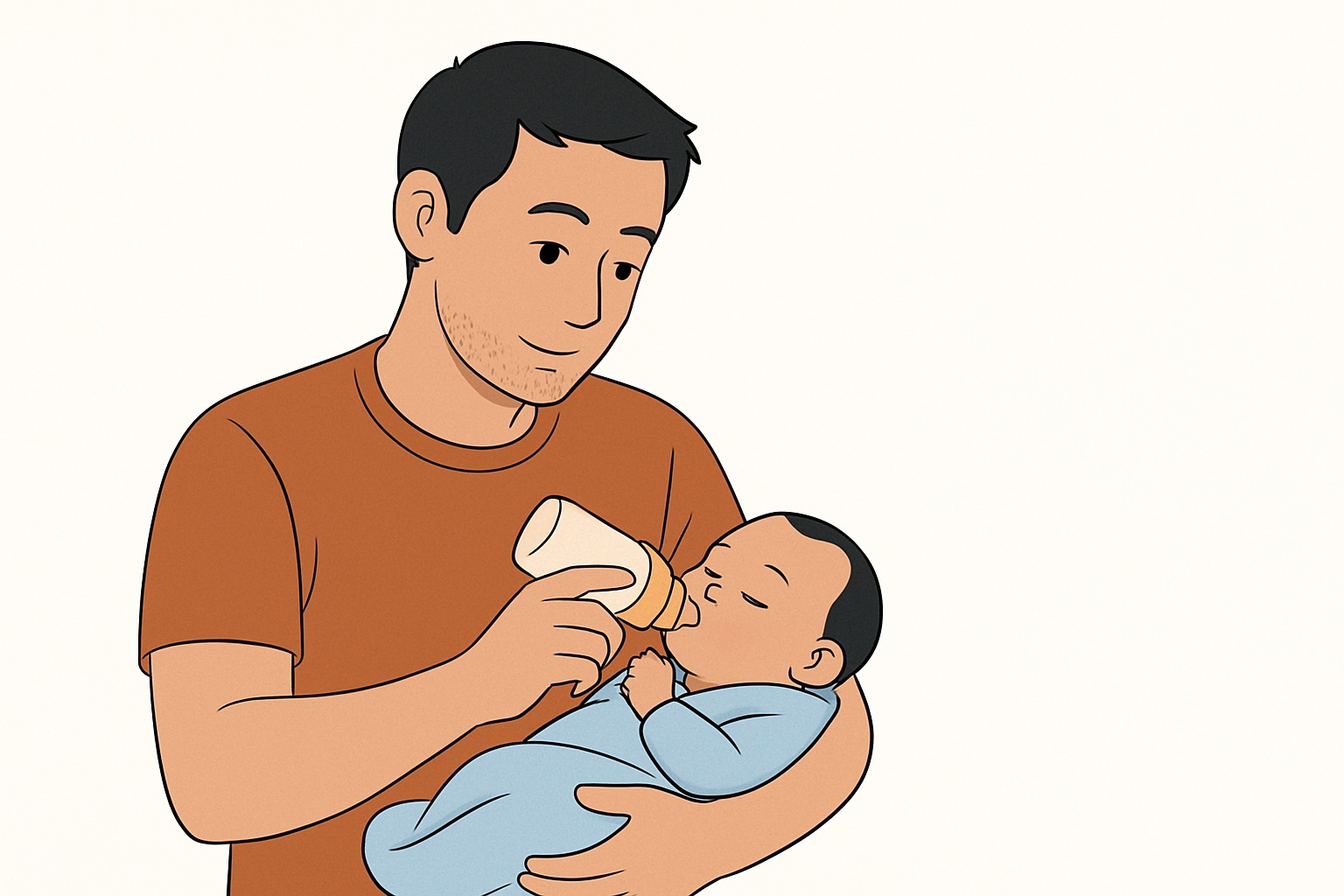
Once dismissed as a "bad habit," contact naps — when a baby sleeps on a parent’s chest or in their arms — are making a major comeback. In 2025, more parents are rejecting rigid sleep training schedules and embracing a baby-led sleep rhythm that honors their infant’s natural needs and biological patterns.
What Are Contact Naps?
Contact naps are simply naps taken while a baby is in close physical contact with a caregiver. Whether that’s lying on a parent’s chest, cradled in arms, or snuggled in a baby carrier, these naps offer warmth, comfort, and security — especially for newborns and young infants.
Why the Shift Toward Baby-Led Sleep?
More parents are moving away from one-size-fits-all routines and responding to their babies’ unique cues. Here’s why:
- Better bonding: Physical closeness promotes secure attachment and emotional regulation.
- Improved infant sleep: Babies often nap longer and more deeply during contact naps.
- Lower stress for parents: Reduces the pressure to enforce nap schedules or constant crib transfers.
- Supports breastfeeding: Contact naps encourage more frequent and relaxed feeds.
The Science Behind Contact Naps
Studies show that skin-to-skin contact helps regulate a baby’s body temperature, heart rate, and breathing. It also boosts oxytocin levels — the "love hormone" — in both baby and parent. This chemical connection helps babies feel safe, which can improve brain development and emotional resilience.
Common Concerns — And What Experts Say
"Will contact napping spoil my baby?"
No. Babies under one year are not capable of manipulation — they’re expressing real needs. Responding to those needs builds trust and security.
"Am I creating a sleep crutch?"
Babies eventually grow into independent sleepers. The first year is about nurturing, not forcing separation.
"I can’t get anything done!"
It’s okay to slow down. You can also try babywearing for hands-free contact naps or share caregiving with a partner.
Practical Tips for Safe Contact Napping
- Choose a safe position: Always nap upright in a reclined chair or couch, never flat or in bed where soft bedding poses a risk.
- Stay awake if needed: If you’re tired, avoid risky sleep positions. Ask your partner to take over, or use a crib for one nap while you rest.
- Use a baby carrier: Structured carriers can support safe naps while giving you some freedom to move.
- Follow your baby’s cues: If they nap well on you, enjoy it. If they prefer the bassinet one day, that’s okay too.
Benefits for Baby and Parent
- Promotes secure attachment
- Improves nap duration and quality
- Encourages milk production (for breastfeeding moms)
- Reduces crying and overstimulation
- Fosters emotional connection
Final Thoughts
Contact naps and baby-led sleep are not signs of weakness or indulgence — they’re rooted in biology, love, and respect for your baby’s natural rhythms. By tuning in rather than tuning out, today’s parents are rediscovering the simple joy of holding their babies close — one peaceful nap at a time.
It takes a village to raise a child !
Join our WhatsApp Parenting Chat Groups By Area in Singapore.
Subscribe to Our Newsletter to get important information about pregnancy and parenting.