Early Sign Language for Babies: Boosting Communication Before Words
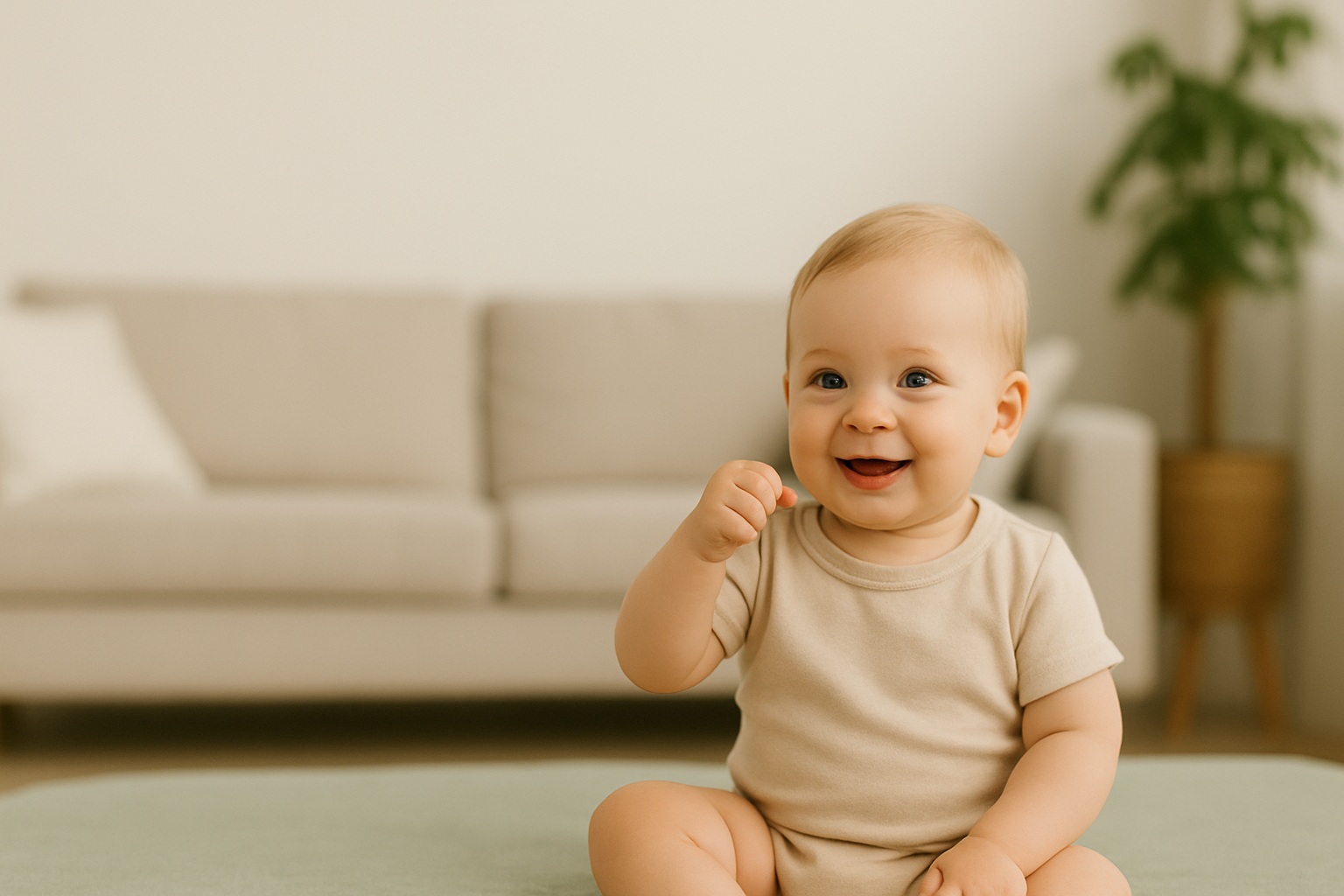
Imagine your baby signing “milk” before they can speak—this is the promise of early baby sign language. More parents today are turning to simple signs like “milk,” “more,” “sleep,” and “all done” to reduce frustration and strengthen the parent-child bond. But what does the science say?
What Is Baby Sign Language?
Baby sign language is the use of simple, consistent gestures to help preverbal babies communicate their needs. These signs are often derived from formal sign languages like American Sign Language (ASL), but are simplified for babies to use and understand easily.
Why Are Parents Using It?
- Reduces Tantrums: Signing gives babies a way to express needs before they can talk, which may reduce frustration-related meltdowns.
- Builds Early Communication: Studies suggest that babies who use sign language may develop stronger language and cognitive skills.
- Strengthens Bonding: Engaging in sign language can deepen the emotional connection through shared attention and understanding.
What Does the Research Say?
Several studies support the benefits of baby sign language:
- A longitudinal study by Acredolo & Goodwyn (2000) found that babies taught sign language had better language skills at age 3 than non-signers.
- Other research shows that it may reduce frustration and support social-emotional development, though long-term IQ effects remain inconclusive.
When and How to Start
Most babies are ready to start using signs between 6 to 9 months, when they can mimic gestures and associate them with meaning. Here’s how to begin:
- Start with 3–5 essential signs (e.g., milk, more, sleep, eat, all done).
- Say the word while signing, and repeat it often during routines.
- Be patient—some babies sign back quickly, others may take a few weeks.
Common First Signs
- Milk: Open and close your fist like milking a cow.
- More: Tap your fingertips together.
- Sleep: Hand moves down the face like you're closing your eyes.
- Eat: Tap fingertips to your mouth.
Is It Confusing for Speech Development?
This is a common concern, but evidence suggests the opposite. Signing babies tend to speak earlier or on time. Signs act as stepping stones to speech—not replacements.
Tips for Success
- Keep it fun and part of everyday interactions.
- Celebrate attempts, even if the signs aren’t perfect.
- Use signs in context to help your baby associate meaning naturally.
Final Thoughts
Baby sign language isn’t about pushing milestones—it’s about giving your child tools to express their needs, emotions, and interests. Whether your baby picks it up quickly or takes their time, it can be a rewarding and joyful journey for both of you.
It takes a village to raise a child !
Join our WhatsApp Parenting Chat Groups By Area in Singapore.
Subscribe to Our Newsletter to get important information about pregnancy and parenting.