Intergenerational Trauma and Parenting: How Parents Today Are Breaking the Cycle

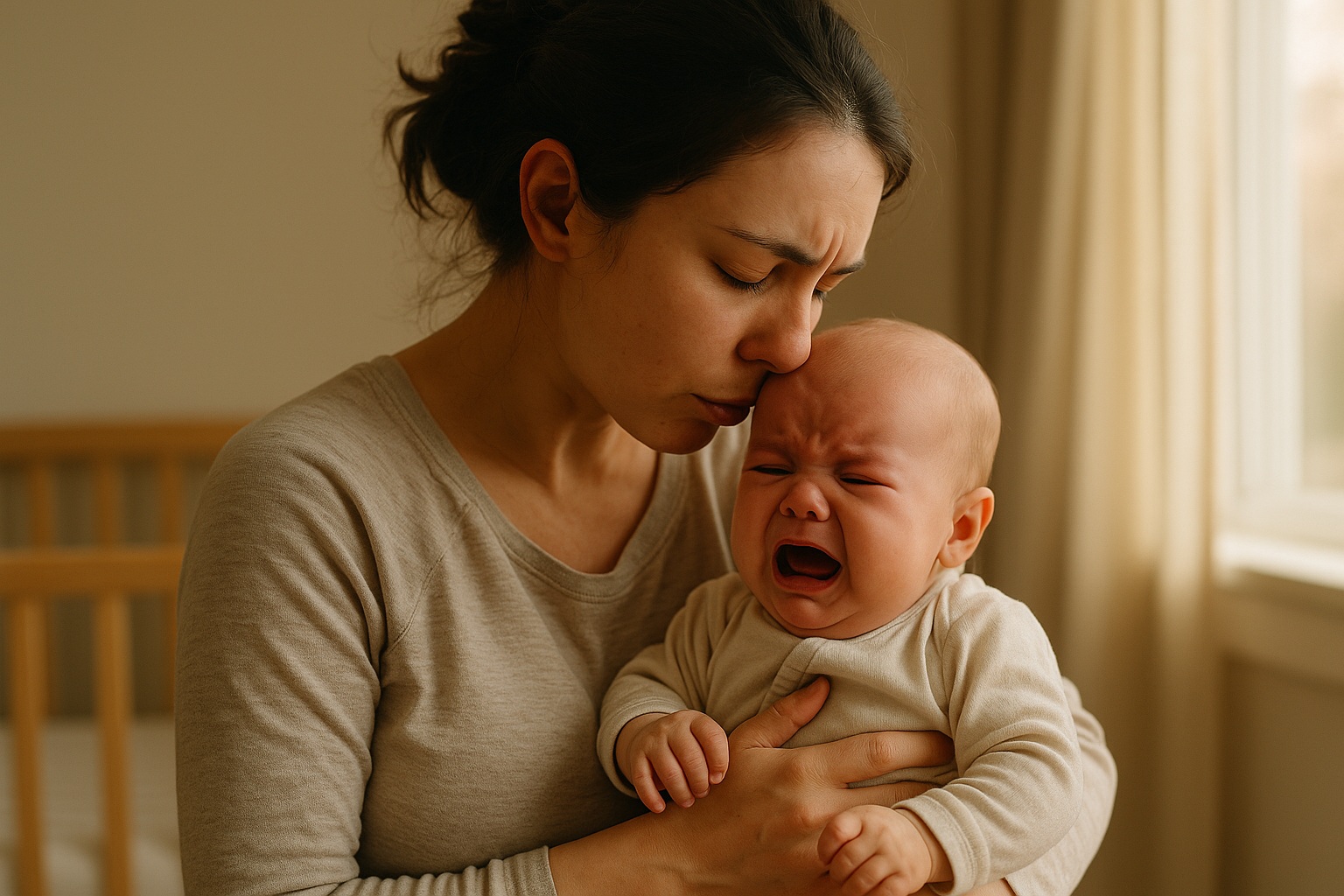
Many parents today are looking inward—confronting inherited pain, emotional wounds, and patterns that no longer serve their children. This growing movement is fueled by a deeper understanding of intergenerational trauma and how it affects parenting, child development, and family dynamics.
What Is Intergenerational Trauma?
Intergenerational trauma, also known as transgenerational trauma, refers to the psychological effects of trauma that are passed down from one generation to the next. It can stem from personal, cultural, or collective experiences—ranging from childhood neglect and abuse to war, displacement, poverty, or systemic discrimination.
This trauma may manifest in various forms, such as:
- Overly harsh or permissive parenting
- Anxiety, depression, or emotional numbness
- Insecure attachment styles
- Difficulty regulating emotions
- Fear-based or avoidance-driven behaviors
The Science Behind It: Neurobiology and Epigenetics
Recent neuroscience and epigenetic research show how trauma can actually alter brain structure and stress response systems. For instance:
- Children exposed to high levels of parental stress may show heightened cortisol levels and increased amygdala activity—affecting emotional regulation.
- Epigenetic studies reveal that trauma can influence gene expression, particularly those involved in mood regulation and immune response.
- These changes can be passed on biologically—not just behaviorally—impacting future generations.
Attachment Patterns: The Link Between Past and Present
Attachment theory explains how early caregiver relationships shape a child's worldview. Parents who experienced inconsistent, neglectful, or abusive parenting may struggle to form secure bonds with their own children. However, research shows that secure attachment is learnable and repairable.
By becoming more aware of their own childhood experiences, parents can identify maladaptive patterns, develop emotional insight, and consciously choose different responses—nurturing a healthier connection with their child.
How Parents Are Breaking the Cycle
Today’s generation of parents is more willing to confront this legacy of trauma. Key strategies supported by research include:
- Therapy and Support Groups: Trauma-informed therapy, especially modalities like EMDR or somatic therapy, can help parents process old wounds and rewire their responses.
- Mindful Parenting: Practicing presence, non-reactivity, and compassion helps reduce triggered reactions and promotes secure bonding.
- Psychoeducation: Understanding how trauma affects brain development and behavior empowers parents to respond rather than react.
- Parenting Courses: Programs rooted in positive parenting or attachment science (like Circle of Security) equip parents with new tools and language.
- Self-Compassion: Breaking cycles means making peace with the past and forgiving oneself when slipping into old habits.
Why This Matters
When a parent chooses to address their trauma, they don’t just change their own path—they alter the trajectory of their children’s lives. Breaking the cycle of trauma can result in:
- Improved emotional resilience in children
- Stronger family bonds
- Healthier stress response systems
- Greater empathy and communication skills
Healing doesn’t mean having had perfect parents or being a perfect parent. It means choosing awareness over avoidance and connection over repetition. In doing so, families grow stronger—one generation at a time.
It takes a village to raise a child !
Join our WhatsApp Parenting Chat Groups By Area in Singapore.
Subscribe to Our Newsletter to get important information about pregnancy and parenting.