Probiotics, Vitamin D and Immunity Boosters: What Works, What Does not Work
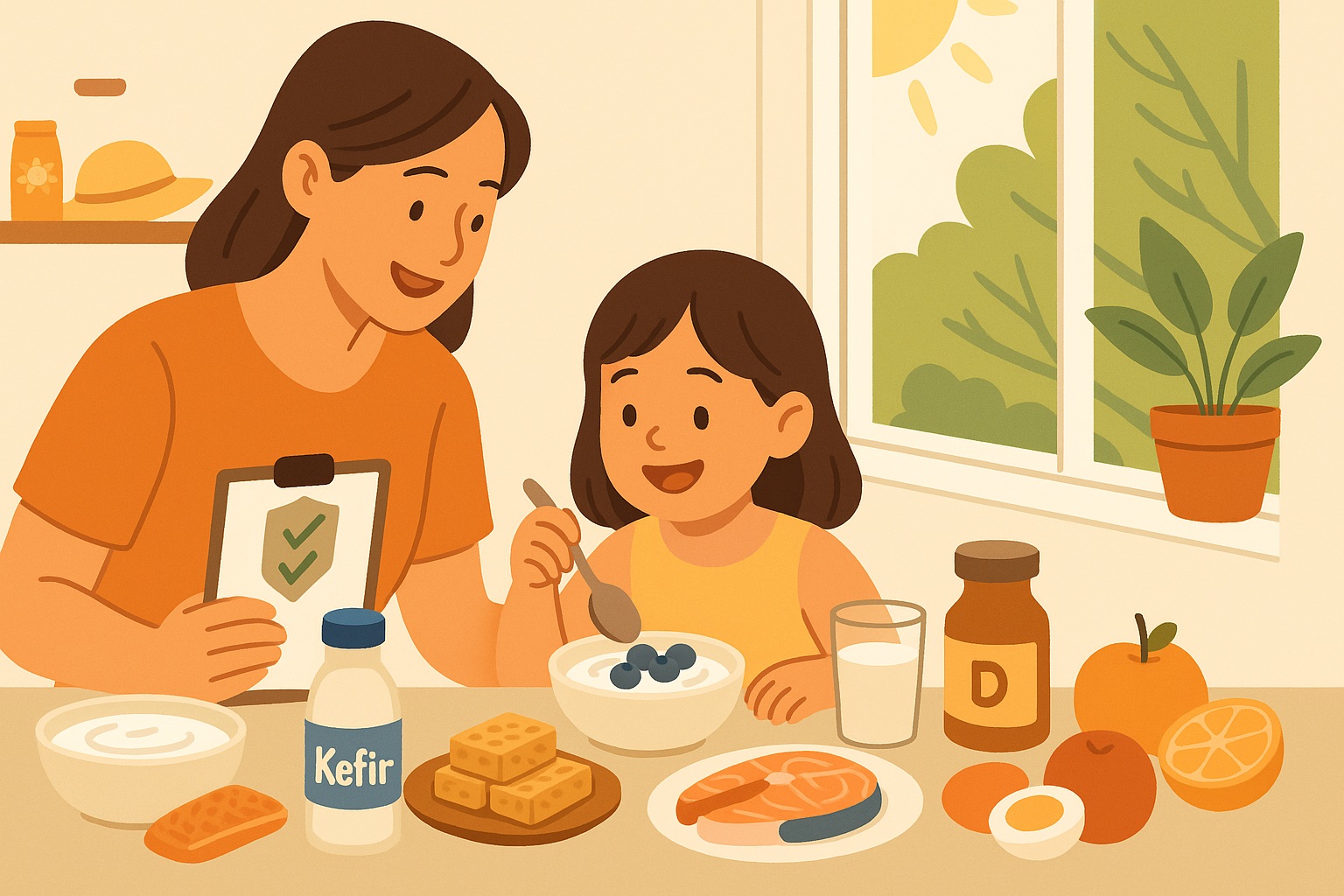
Probiotics, Vitamin D and “Immunity Boosters”: What Works, What Doesn’t
Evidence-based myth-busting for parents in Singapore (last reviewed: ).
- Most helpfulVaccinations (e.g., annual flu jab for 6–59 months), sleep, hand hygiene, well-balanced diet, outdoor play for vitamin D, and good ventilation.
- Sometimes helpfulProbiotics: specific strains can prevent antibiotic-associated diarrhoea (AAD); evidence for preventing colds is mixed and strain-specific.
- Targeted useVitamin D: important for bones; supplement if deficient or at risk. Latest meta-analyses show little to no benefit for preventing acute respiratory infections in the general population.
- Little/uncertain benefit“Immunity boosters” like high-dose vitamin C, zinc, echinacea, elderberry: small or inconsistent effects; some safety concerns.
- Local ruleIn Singapore, health supplements are not HSA-approved before sale and cannot claim to prevent/treat disease—buyer beware.
Probiotics: what the evidence actually says
AAD (during/after antibiotics): Multiple trials and systematic reviews show certain strains (notably Lactobacillus rhamnosus GG and Saccharomyces boulardii) reduce the risk of antibiotic-associated diarrhoea in children. If you choose to use a probiotic for AAD prevention, pick a product that specifies an evidence-backed strain and dose used in trials.
Acute gastroenteritis (stomach flu): Two large NEJM RCTs (US/Canada) found no benefit from commonly used probiotics in young children presenting to EDs. Other meta-analyses suggest possible benefits with S. boulardii, but evidence quality varies. Routine use isn’t universally recommended.
Colds & other respiratory infections: A 2022 Cochrane review reported probiotics may lower the number or duration of URTIs, but results were heterogeneous and strain-specific—this is not a blanket “immunity boost.”
Safety: Generally well tolerated in healthy children, but avoid in severely ill or immunocompromised children and those with central venous lines (rare cases of probiotic sepsis reported). Discuss with your paediatrician if your child has chronic conditions.
Vitamin D: essential for bones; limited “anti-cold” effect
Vitamin D supports bone health and normal immune function. In sunny Singapore, most healthy children who get regular outdoor play and consume fortified foods meet needs without high-dose supplements.
Does it prevent colds? Earlier reviews suggested modest protection against acute respiratory infections—mainly in people who were very deficient and using daily/weekly (not bolus) dosing. But updated analyses (2024–2025) show no significant protective effect overall. Don’t rely on vitamin D alone to stop colds.
Typical daily intakes used internationally: infants 400 IU; children/adolescents 600 IU. Check your doctor’s advice and local product labels.
Excess vitamin D can cause high calcium levels and kidney problems. Upper limits: 1–3 yrs 2,500 IU; 4–8 yrs 3,000 IU; 9–18 yrs 4,000 IU/day (all sources combined).
“Immunity boosters”: what’s worth your money?
| Booster | What studies say | Bottom line |
|---|---|---|
| Vitamin C | Regular daily use (not “start when sick”) may shorten colds slightly; does not prevent most colds. | Food-first (fruits/veg). Supplements can be considered but expect modest benefit at best. |
| Zinc | 2024 Cochrane: evidence insufficient for clear recommendations for prevention/treatment. Intranasal zinc linked to loss of smell—avoid. | Oral zinc may help if started early in some adults; dosing/side-effects limit utility in young kids. Avoid intranasal forms. |
| Echinacea | Prevention trials largely negative; treatment effects small/uncertain. | Not recommended for routine use in children. |
| Elderberry | Small trials; inconsistent benefits for respiratory symptoms; overall certainty low. | Not a proven preventive; ensure products are safe/standardised if used. |
| Multivitamins | For healthy children with varied diets, routine supplements usually unnecessary; prioritise food sources. | Consider only for diagnosed deficiencies or restricted diets—speak to your doctor/dietitian. |
Singapore-specific cautions when buying supplements
In Singapore, health supplements are not evaluated or approved by HSA before sale. Companies cannot advertise them as preventing or treating diseases (e.g., “prevents flu”). Choose reputable brands, read labels carefully, and be sceptical of sweeping “immune” claims.
What to prioritise instead of “boosters”
- Vaccinations: Annual flu vaccination is recommended and subsidised for Singaporean children 6–59 months.
- Sleep & routines: Age-appropriate sleep supports immune function. (See HealthHub sleep guides.)
- Hygiene & ventilation: Handwashing, masking when sick, and fresh air reduce spread of viruses (MOH/HPB guidance aligns).
- Food-first nutrition: Whole foods, fruits/veg, protein, dairy/fortified alternatives; outdoor play ~15 minutes/day adds vitamin D.
FAQ
- Should I give my child a daily probiotic?
- Not routinely. Consider during/after antibiotics to reduce AAD risk, choosing products with strains used in trials (e.g., LGG or S. boulardii). Avoid in immunocompromised children; discuss with your paediatrician.
- Does vitamin D stop my child from catching colds?
- No. It’s vital for bones, but the latest large reviews show no overall prevention of respiratory infections from supplementation in generally healthy people. Focus on diet, outdoor play, and vaccinating against flu.
- What dose of vitamin D is safe?
- Common guidance: infants 400 IU/day; children 1–18 y 600 IU/day from all sources. Do not exceed age-specific upper limits without medical advice (e.g., 2,500–4,000 IU/day depending on age).
- Are “immune gummies” allowed to claim disease prevention in Singapore?
- No. HSA prohibits health-supplement claims that imply prevention or treatment of diseases.
- Is zinc safe for kids?
- Food sources are fine. Evidence for supplements is mixed; side-effects (nausea, taste changes) occur. Never use intranasal zinc sprays/gels due to risk of permanent loss of smell.
Medical disclaimer: This page is general information for caregivers in Singapore and not a substitute for personal medical advice. Please consult your child’s doctor for diagnosis and tailored recommendations.
It takes a village to raise a child !
Join our WhatsApp Parenting Chat Groups By Area in Singapore.
Subscribe to Our Newsletter to get important information about pregnancy and parenting.