Silent Struggles: Why More Fathers Are Facing Postnatal Depression and What Helps
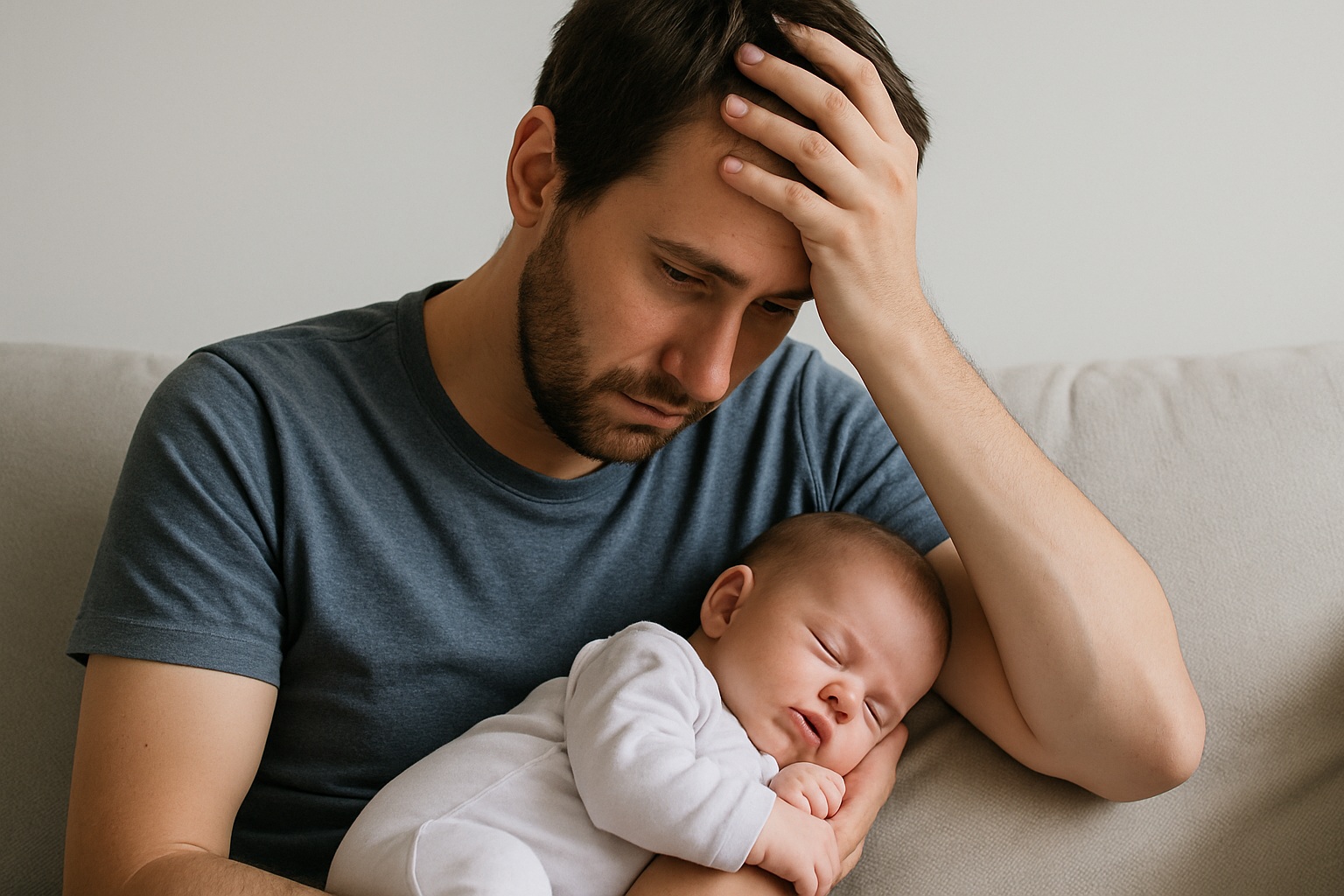
Postnatal depression is often seen as a mother’s issue—but growing evidence shows that fathers are silently struggling too. While hormonal and physical changes may differ, the emotional and psychological pressures of new fatherhood can be just as intense. It's time to break the taboo and shine a light on what postnatal depression looks like in men, why it happens, and how we can better support them.
How Common Is Paternal Postnatal Depression?
Recent research suggests that between 8% and 13% of new fathers experience postnatal depression within the first year of their child’s life. Rates are even higher—up to 25%—when the mother is also affected by depression or anxiety.
Unlike maternal postnatal depression, which tends to peak in the first 2–3 months postpartum, paternal symptoms may surface later—often between 3 and 6 months after birth—when the demands of fatherhood intensify and social support may have tapered off.
Why Fathers Are at Risk
Fathers face a unique mix of biological, psychological, and societal stressors that can trigger or worsen depressive symptoms:
- Sleep deprivation and disrupted routines
- Financial stress or pressure to provide
- Relationship strain and shifting dynamics with a partner
- Loss of personal freedom and identity
- Lack of preparation or feelings of inadequacy as a parent
- Low societal awareness of paternal mental health needs
What It Looks Like: Signs in Men
Men often express depression differently from women, making it harder to identify. Key signs may include:
- Irritability, anger, or emotional numbness
- Withdrawal from family or friends
- Workaholism or avoidance behaviors
- Substance misuse or increased risk-taking
- Loss of interest in hobbies or bonding with the baby
- Feelings of failure or disconnection
Because these symptoms are often dismissed as "normal dad stress," many fathers suffer in silence.
The Psychological Toll of Going Unseen
When paternal postnatal depression is left untreated, it can affect the entire family. Studies show that:
- Fathers’ depression increases the risk of emotional and behavioral issues in children
- It may reduce the quality of father-infant bonding and co-parenting
- It contributes to maternal mental health strain and relationship conflict
Just like maternal depression, early identification and support are key to recovery.
Support Pathways That Work
Encouragingly, evidence-based interventions can make a big difference. These include:
1. Screening and Normalization
Routine mental health check-ins for fathers at pediatric visits or during postpartum checkups can help identify symptoms early. Framing emotional struggles as common and treatable reduces shame.
2. Talk Therapy
Cognitive Behavioral Therapy (CBT) has been shown to help fathers reframe negative thinking patterns, reduce anxiety, and improve mood.
3. Peer Support Groups
Father-specific groups, both in-person and online, offer validation and community. Shared stories can counter isolation and provide practical tips.
4. Couple’s Counseling
Addressing relationship strain together can improve communication and emotional support between partners, easing the mental load on both sides.
5. Practical Support
Encouraging dads to take parental leave, engage in infant care, and set boundaries for rest and recovery helps reduce overwhelm and build confidence.
Conclusion
Postnatal depression doesn’t only affect mothers—and it’s time we acknowledged that. With better awareness, targeted screening, and compassionate support, fathers can recover and thrive in their new roles. Breaking the silence around paternal mental health isn’t just good for dads—it’s essential for the entire family’s well-being.
It takes a village to raise a child !
Join our WhatsApp Parenting Chat Groups By Area in Singapore.
Subscribe to Our Newsletter to get important information about pregnancy and parenting.