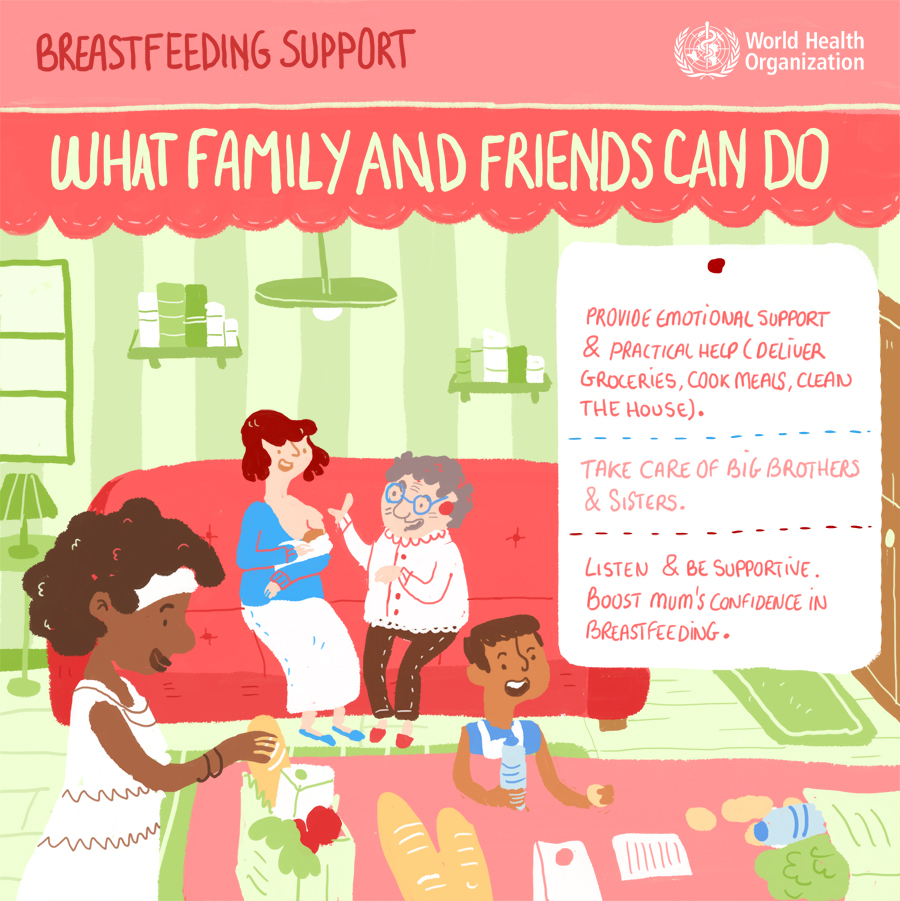
Supplementing with Formula: How to Protect Your Breastfeeding Journey

For many mothers, the goal is to exclusively breastfeed. But sometimes, due to medical reasons or low milk supply, formula supplementation becomes necessary. The good news? Supplementing doesn’t mean the end of your breastfeeding journey. With the right strategies, you can continue to nourish your baby at the breast while protecting your milk supply and bonding experience.
When Is Supplementation Medically Necessary?
According to the American Academy of Pediatrics and WHO, exclusive breastfeeding is ideal for the first 6 months. However, formula supplementation may be medically indicated in situations such as:
- Significant weight loss in the newborn (more than 10% of birth weight)
- Low blood sugar (hypoglycemia)
- Jaundice that requires phototherapy and extra hydration
- Delayed milk production or low supply despite effective latching
- Preterm birth or poor sucking reflex
- Maternal illness or medication incompatible with breastfeeding
In these cases, supplementation can be life-saving and should not be viewed as failure, but as a temporary support.
Protecting Your Breastfeeding Relationship
Introducing formula doesn’t mean you have to give up breastfeeding. Here’s how to maintain milk production and a strong breastfeeding bond:
1. Prioritize Breast Stimulation
Milk supply works on a demand-and-supply basis. The more frequently milk is removed from the breasts—by baby or pump—the more your body is signaled to produce. If formula is introduced, continue to:
- Nurse first, then offer formula if needed
- Or pump after formula feeds to maintain stimulation
2. Use Supplementation Methods That Support Latching
Consider alternative feeding tools like:
- SNS (Supplemental Nursing System): Allows baby to receive formula at the breast, preserving the suckling association
- Cup or spoon feeding: Useful for newborns to avoid nipple confusion
- Paced bottle feeding: Mimics breastfeeding flow and reduces preference for bottle over breast
3. Practice Skin-to-Skin Frequently
Skin-to-skin contact encourages natural feeding behaviors, helps regulate baby’s temperature and breathing, and stimulates milk-producing hormones like oxytocin.
4. Work with a Lactation Consultant
A certified lactation consultant (IBCLC) can help assess latch, milk transfer, and ensure supplementation is used strategically, not excessively. They can also support relactation or increasing milk supply if that’s your goal.
5. Manage Emotional Expectations
It’s normal to feel guilt or grief when introducing formula. Remember: feeding your baby is not an all-or-nothing situation. Every drop of breast milk still offers immunological and nutritional benefits, even if you’re mixed feeding.
How to Rebuild Supply (If Needed)
If your goal is to reduce formula use over time, these steps can help:
- Offer the breast frequently, even if baby only comfort nurses
- Use breast compression during feeds to increase flow
- Pump after or between feedings to boost stimulation
- Stay hydrated and nourished; consider galactagogues only under guidance
Conclusion
Supplementing with formula doesn’t mean failure—it means flexibility and responding to your baby’s needs. With proper support and strategies, you can continue breastfeeding successfully while supplementing. Your journey is still valid, nourishing, and deeply important.
FAQ
Will supplementing decrease my milk supply?
Not if you continue regular breast stimulation through nursing or pumping. Supply depends on demand.
Can I go back to exclusive breastfeeding after supplementing?
Yes, it’s possible with consistent nursing and support. Many mothers reduce or eliminate formula gradually over time.
Is mixed feeding harmful to the baby?
No. While exclusive breastfeeding has optimal benefits, formula is a safe and nutritious option when needed.
It takes a village to raise a child !
Join our WhatsApp Parenting Chat Groups By Area in Singapore.
Subscribe to Our Newsletter to get important information about pregnancy and parenting.