
Daily Baby Care
All babies are curious, they will grab or touch objects that are new to them. Although this helps babies understand the surroundings, it endangers them as some objects like the knife and small toys can hurt them. It is therefore important for parents to do a thorough check on their flats, identify potential hazards in their homes and keep the dangerous objects away from the baby.
Read MoreMost babies start to drool around 4 months after birth. Drooling should stop when the babies turn 2 years old. Parents should seek professional help if their child drools excessively or past the infancy and toddler stage. This article provides tips on what you can do when your baby drools, how you can alleviate your baby's excessive drooling and his or her drooling past the toddler stage.
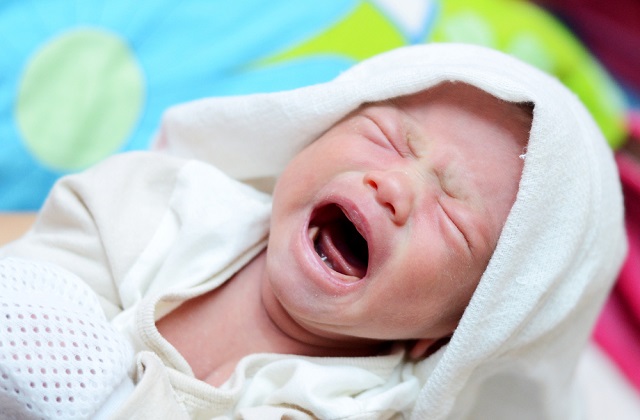
Read MoreIt is not uncommon for infants to stay awake or become fussy from midnight to 3.00am or 4.00am in the morning. What are the causes of fussiness in babies at night? What are some solutions that parents can try out to allow their baby to sleep more easily at night?
Read MoreHow to your burp your baby? Excessive air in the stomach can make the baby uncomfortable. Burping help to expel air from the stomach. Two methods to burp your baby and how to prevent your baby from swallowing air during feeding.
Read MoreHow to lose weight after giving birth: drinking enough water, getting enough sleep can help new mum to lose weight. Eating small meals more frequently and superfood can also help new mother to lose weight.
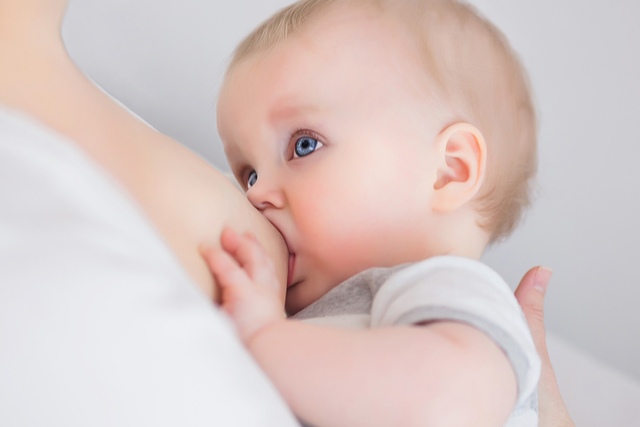
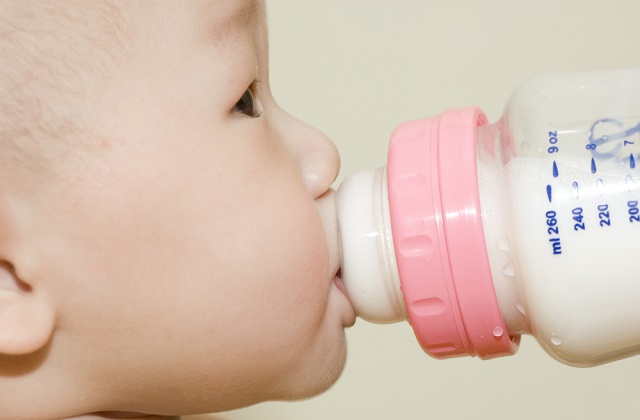
Read MoreInfant Feeding Schedule: no solid food before 4 months. Parents need to watch out for signs of readiness before introducing solid food.
Read More