breastfeeding
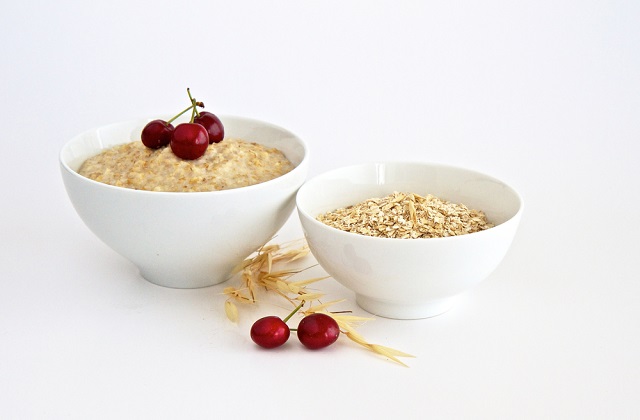
Oatmeal, carrots, sesame seeds, salmon, garlic, asparagus, brown rice, dates, apricots, sweet potato, unripe papaya, fenugreek, fennel and spinach can be used to increase breast milk supply
Read More
Pumping Breast Milk For Newborn: when to start the first pump for newborn? how often to pump for newborn? how long should be each pumping session? and how much breast milk should each pumping session produce in order to feed baby.
Read More
Pumping breast milk:pumping breast milk help to collect breast milk so that the baby can have it when nursing mother is not around. Breast milk pump should be used for about 8 to 10 times in a day and each pumping session should last about 10 minutes to 20 minutes. Breast milk should be stored in sterilized bottles or bags and can could kept in refrigerator or freezer.
Read More
Blocked milk duct:symptoms include a hard lump, redness or swelling. milk stasis such as infrequent breastfeeding or inadequate milk removal are the main cause of blocked milk duct. Continue to breastfeed is the best treatment and doctor may give medicine to relieve pain and inflammation. Frequent nursing, feed baby with different positions, apply warm compresses and massage the breast before feeding are some measures that can prevent blocked milk duct.
Read More
Mastitis:mastitis is caused by infection and milk staying in the breast like engorgement, plugged milk duct or inadequate milk removal. Symptoms of mastitis include intense pain, fever, breast warmth, breast swelling,nursing mothers will feel run down. Antibiotics is usually needed for treatment. Frequent nursing is the best way to prevent mastitis.
Read More
Itchy nipples or thrush while breastfeeding:thrush is the common cause for itchy nipples during breastfeeding. Thrush is caused by yeast infection. Thrush can be treated by using anti-fungal medication. To prevent itchy nipples or thrush, parents should clean pacifiers, nipples and other items that in contact with baby's mouth or nursing mother's nipples.
Read More