breastfeeding

Sore Nipples: improper positioning of the baby on the breast is the most important cause of nipple pain. Other causes of nipple pain include infection, tongue-tie in baby, teething, tight bra or breast pads or breast engorgement. Nipple pain may be solved by adjusting the position of the baby during breastfeeding. Measures which help to prevent nipple pain is also included.

Sore nipples: causes, treatment and prevention

Sore Nipples: improper positioning of the baby on the breast is the most important cause of nipple pain. Other causes of nipple pain include infection, tongue-tie in baby, teething, tight bra or breast pads or breast engorgement. Nipple pain may be solved by adjusting the position of the baby during breastfeeding. Measures which help to prevent nipple pain is also included.

Read More

Breast engorgement:most women will experience breast engorgement in day 2 to day 5 after birth as the breast milk first comes in. Symptoms of breast engorgement include swollen and painful breasts as well as flattened nipples. Nursing mothers can apply hot compress, cold compress to the breast to relieve the engorgement or improve the circulation. Apply cold vegetable like cabbage can also help to relieve the breast engorgement.

Breast engorgement: cause, treatment and prevention

Breast engorgement:most women will experience breast engorgement in day 2 to day 5 after birth as the breast milk first comes in. Symptoms of breast engorgement include swollen and painful breasts as well as flattened nipples. Nursing mothers can apply hot compress, cold compress to the breast to relieve the engorgement or improve the circulation. Apply cold vegetable like cabbage can also help to relieve the breast engorgement.

Read More
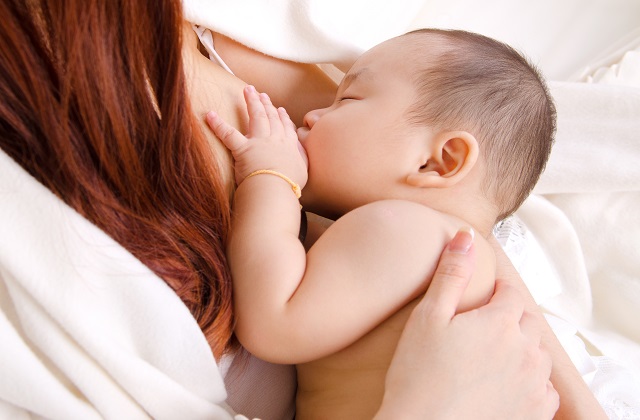
How often to breastfeed:nursing mother should practice breastfeeding on demand instead of scheduled breastfeeding as scheduled breastfeeding will lead to poorer long term academic outcome. In the first two months, breastfeeding mothers need to nurse baby about 8 to 12 times a day. The frequency will reduce to 6 or more time when baby is between 2 months to 6 months old and it reduces further to 3 to 5 times when baby is 6 months to 1 year old. Duration of breastfeeding should be between 10 minutes and 45 minutes.

How often to breastfeed:frequency and duration

Frequency and duration of breastfeed:nursing mother should practice breastfeeding on demand instead of scheduled breastfeeding as scheduled breastfeeding will lead to poorer long term academic outcome. In the first two months, breastfeeding mothers need to nurse baby about 8 to 12 times a day. The frequency will reduce to 6 or more time when baby is between 2 months to 6 months old and it reduces further to 3 to 5 times when baby is 6 months to 1 year old. Duration of breastfeeding should be between 10 minutes and 45 minutes.

Read More
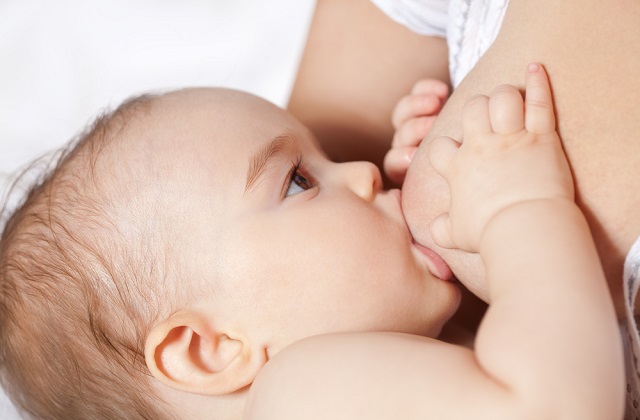
Benefits of breastfeeding:breast milk is the best nutrition for infant. It gives baby a stronger immune system and better protection from allergy as breast milk contains antibodies Immunoglobulin A (IgA). Breast milk is also beneficial for the intellectual development of the infant. Breastfeeding is also beneficial to the mother who can help nursing mother to prevent osteoporosis and recover faster from birth delivery. For family, breastfeeding helps to save money.

Benefits of Breastfeeding

Benefits of breastfeeding:breast milk is the best nutrition for infant. It gives baby a stronger immune system and better protection from allergy as breast milk contains antibodies Immunoglobulin A (IgA). Breast milk is also beneficial for the intellectual development of the infant. Breastfeeding is also beneficial to the mother who can help nursing mother to prevent osteoporosis and recover faster from birth delivery. For family, breastfeeding helps to save money.

Read More
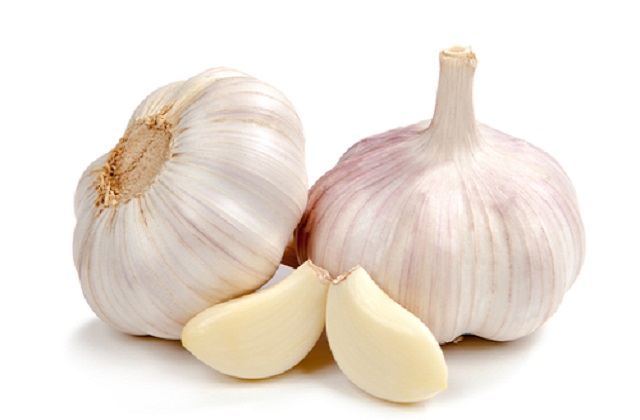
What food to avoid during breastfeeding:some food may cause allergic reaction in baby, some food may lower breast milk production and some food may cause colic or spitting up in baby. Food to be avoided by breastfeeding mother include coffee, tea, chocolate, citrus fruits, peppermints, alcohol, garlic, gassy vegetable as well as fish that has a high level of mercury.

What food to avoid during breastfeeding?

What food to avoid during breastfeeding:some food may cause allergic reaction in baby, some food may lower breast milk production and some food may cause colic or spitting up in baby. Food to be avoided by breastfeeding mother include coffee, tea, chocolate, citrus fruits, peppermints, alcohol, garlic, gassy vegetable as well as fish that has a high level of mercury.

Read More
Breastfeeding when nursing mother is sick: nursing mother can continue to breastfeed baby when you are sick in most cases. Baby may have been exposed to the virus, and you can pass the antibodies to your baby if you continue to breastfeed. Do remember to inform your doctor that you are breastfeeding as some medicine may lower breast milk production and some may cause diarrhea, vomitting, irritability in baby.

Breastfeeding:What to do when nursing mother is sick

Breastfeeding when nursing mother is sick: nursing mother can continue to breastfeed baby when you are sick in most cases. Baby may have been exposed to the virus, and you can pass the antibodies to your baby if you continue to breastfeed. Do remember to inform your doctor that you are breastfeeding as some medicine may lower breast milk production and some may cause diarrhea, vomitting, irritability in baby.

Read More