Body Image and Self Esteem During Pregnancy: Practical Ways to Feel Better

Body Image & Self-Esteem During Pregnancy: How to Feel More Like Yourself Again (Singapore)
Audience: Expecting mums and families in Singapore • Topic: Pregnancy mental wellbeing
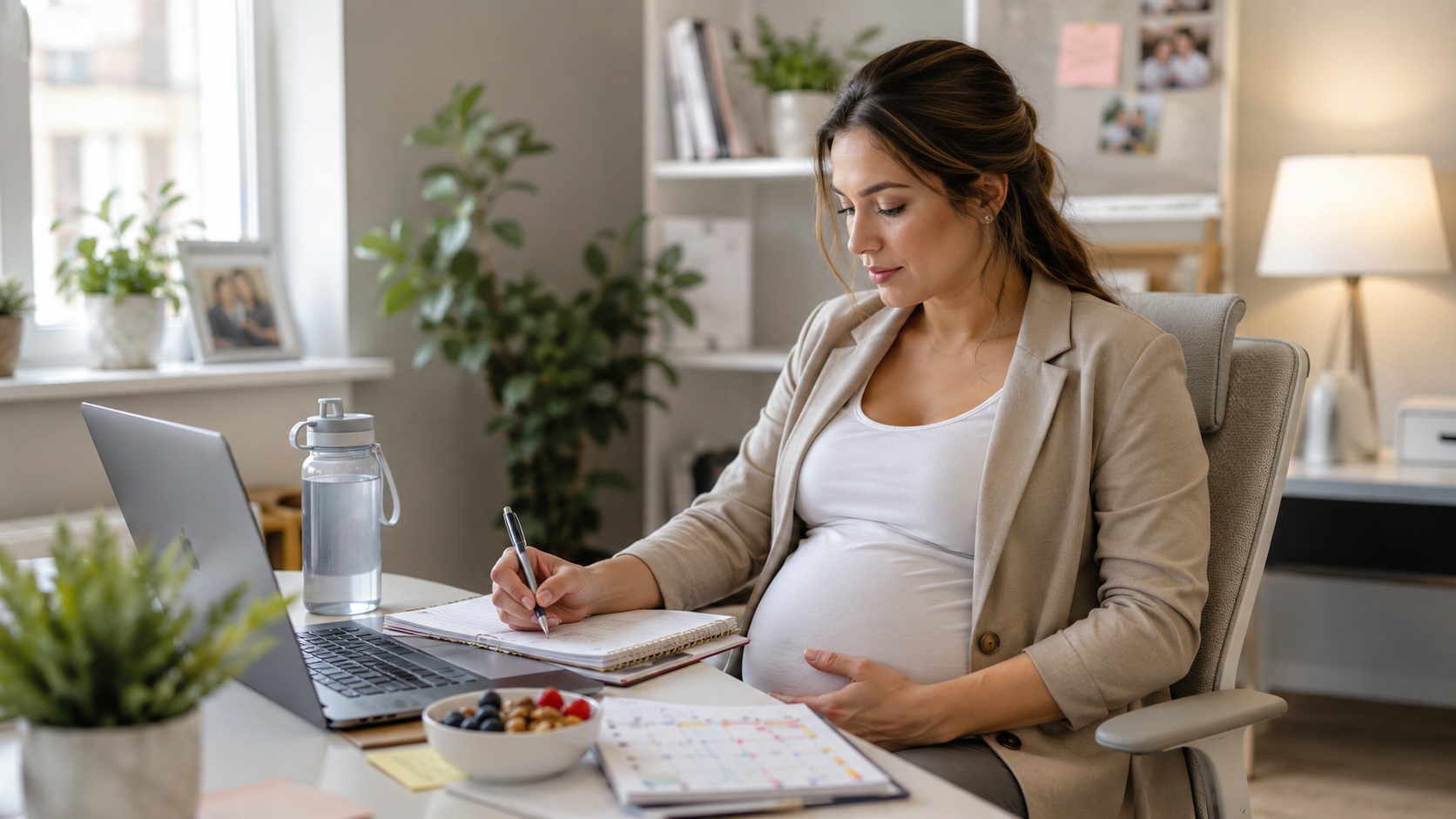
Pregnancy changes your body fast. Some days you may feel proud and amazed. Other days you might feel uncomfortable, emotional, or shocked by how different you look and feel—especially when your clothes stop fitting, your belly grows week by week, and you’re hearing comments from relatives or scrolling through “perfect bump” photos online.
If you’re worrying about weight gain, stretch marks, bloating, or not recognising yourself in the mirror, you’re not alone. Body image struggles during pregnancy are common, and they don’t mean you’re ungrateful. They mean your body and identity are going through a major transition.
Below are practical, kind ways to protect your confidence during pregnancy—written with Singapore parents in mind, where busy schedules, family opinions, and “quick bounce-back” culture can add extra pressure.
Why pregnancy can hit body image hard
1) Your body changes are rapid and visible
In a short span of weeks, you may notice belly growth, breast changes, swelling, water retention, skin changes (acne, pigmentation), stretch marks, or a different posture and gait. Even if you expected changes, living through them can feel emotionally intense.
2) Hormones can affect mood and self-perception
Hormonal shifts can influence anxiety, irritability, tearfulness, and sensitivity. On certain days, you may “feel bigger” or “feel unattractive” even if your body hasn’t changed much since last week.
3) Social media sets unrealistic expectations
You might see tiny bumps, heavily edited maternity shoots, and “glow-only” posts. Real pregnancy includes fatigue, nausea, body aches, and days you don’t feel cute—and that’s normal.
4) Comments from others can be surprisingly hurtful
Even well-meaning remarks like “Wah, so big already!” or “Are you sure it’s not twins?” can sting when you’re feeling vulnerable. In Singapore, where relatives and friends may comment openly, it helps to prepare boundaries (you’ll see scripts below).
What’s normal to feel — and what deserves extra support
Common (and normal) experiences
- Missing your pre-pregnancy body
- Feeling self-conscious in photos
- Having “good body days” and “bad body days”
- Worrying about stretch marks, cellulite, acne, or swelling
- Feeling less confident about intimacy
Consider extra support if you notice these patterns
- You avoid eating due to fear of weight gain
- You feel intense guilt after meals
- You weigh yourself obsessively or body-check constantly
- You feel disgusted, ashamed, or hopeless most days
- You avoid prenatal visits because of the scale/weight talk
- You have a history of an eating disorder or body dysmorphia
You don’t have to “wait until it gets worse” to get help. In Singapore, you can start by speaking with your OB-GYN, GP, or a perinatal mental health professional. Early support often prevents things from spiralling.
Babyment tip: If numbers trigger you, you can request “blind weighing” (not looking at the scale) and ask your provider to tell you only whether things are within a healthy range.
Healthy weight gain isn’t “letting yourself go”
Pregnancy weight gain supports your baby’s growth, the placenta and amniotic fluid, increased blood volume, breast tissue changes, and your body’s energy needs. Every body carries pregnancy differently. Two mums at the same week can look completely different and still be equally healthy.
If weight conversations feel stressful, try these phrases:
- “I prefer not to see the number on the scale.”
- “Could you tell me only if my weight gain is within a healthy range?”
- “I’d like to focus on health behaviours rather than the number.”
10 practical ways to protect your self-esteem during pregnancy
1) Stop treating your body like a “before and after”
Pregnancy isn’t a makeover project. Your body is adapting, not failing. Try swapping “I’m getting fat” with “My body is expanding to support a baby.” Language shapes how you cope.
2) Curate your feed
If your social media makes you feel worse, unfollow triggers and follow realistic, supportive content. Add non-body interests (recipes, hobbies, parenting tips, local family activities) so your brain isn’t stuck in comparison mode.
3) Buy clothes that fit now
Confidence often improves instantly when you stop “forcing” old clothes. A few comfortable basics can help: a supportive bra, stretchy leggings, and 2–3 outfits you feel secure in. Comfort is mental health.
4) Focus on function, not shape
Replace “How do I look?” with “Did I rest enough?” “Did I eat regularly?” “Did I move gently?” Function-based thinking reduces shame.
5) Take photos only when you want to
Some mums love bump photos; some don’t. You’re not “missing out” if it makes you anxious. Take fewer, choose candid moments, or keep photos private.
6) Move in ways that feel good (not to punish yourself)
Gentle movement can lift mood: walks, prenatal yoga, stretching, swimming, or light strength training (if approved by your doctor). The goal is to feel better—not to “burn off” pregnancy.
7) Use simple scripts for body comments
- “I’m focusing on staying healthy, thanks!”
- “My doctor says everything is on track.”
- “Pregnancy looks different for everyone.”
- “I’d rather not talk about my size.”
8) Build a “safe circle” of 1–2 people
Choose people who don’t push diet culture and who validate your feelings. Sometimes you don’t need advice—you need someone to say, “I get it.”
9) Practice neutral self-talk on bad days
You don’t have to force positivity. Neutral can be powerful: “This is a hard day.” “My body is changing and that feels uncomfortable.” “I’m allowed to feel both grateful and overwhelmed.”
10) Get professional support early if needed
If you feel stuck in shame, anxiety, or food guilt, consider speaking with a counsellor/psychologist with perinatal experience, or a dietitian who supports pregnancy wellbeing. Early support is a strength.
Related Babyment reads: Pregnancy Mental Health Guide • Prenatal Care Checklist • Postpartum Body Changes: What’s Normal
Intimacy and feeling “unattractive” during pregnancy
It’s normal for desire and confidence to change due to fatigue, nausea, body discomfort, or fear of being judged. If you have a partner, a simple check-in can help:
- “I’m not feeling confident in my body lately.”
- “I still want closeness, but I need reassurance.”
- “Can we focus on comfort, not performance?”
Emotional safety often brings confidence back faster than any “beauty fix.”
A gentle reminder
Your worth is not measured by your skin, your scale, or your “bounce-back timeline.” Pregnancy is a season of change. Aim for respect over criticism, comfort over perfection, and support over silence.
FAQ: Body image & self-esteem during pregnancy
Is it normal to feel unattractive during pregnancy?
Yes. Many pregnant women feel less confident at times due to rapid body changes, hormones, fatigue, and social pressure. You can feel grateful for your baby and still struggle emotionally—both can be true.
I feel guilty for caring about my looks. Does that make me a bad mum?
No. Body image concerns are common and don’t reflect how much you love your baby. It simply means you’re adjusting to a major life change. Self-compassion and support can help you cope without shame.
How do I handle relatives commenting on my size in Singapore?
Prepare one short script and repeat it: “I’m focusing on staying healthy, thanks!” or “I’d rather not talk about my size.” If needed, ask your partner to support you by redirecting the conversation.
When should I seek help for body image issues during pregnancy?
Consider getting help if you’re restricting food, feeling intense guilt after eating, obsessively weighing/body-checking, or feeling hopeless most days. You can start by talking to your OB-GYN/GP, or a perinatal mental health professional.
Can I ask my clinic not to tell me my weight?
Often, yes. You can request blind weighing (not looking at the number) and ask your provider to tell you only whether your gain is within a healthy range. This can be especially helpful if you have a history of anxiety around weight.
What are quick daily habits that help self-esteem?
Wearing clothes that fit, gentle movement, regular meals, limiting triggering social media, and neutral self-talk can make a real difference. Even one small habit—like a 10-minute walk or a comfortable outfit—can lift your mood.
It takes a village to raise a child !
Join our Facebook Group For 2026 SG Mummies or Facebook Group 2027 SG Mummies
Link to our WhatsApp groups can also be found in the Facebook group
Subscribe to Our Newsletter to get important information about pregnancy and parenting.