Managing Morning Sickness Through Diet: Foods and Strategies to Ease Nausea
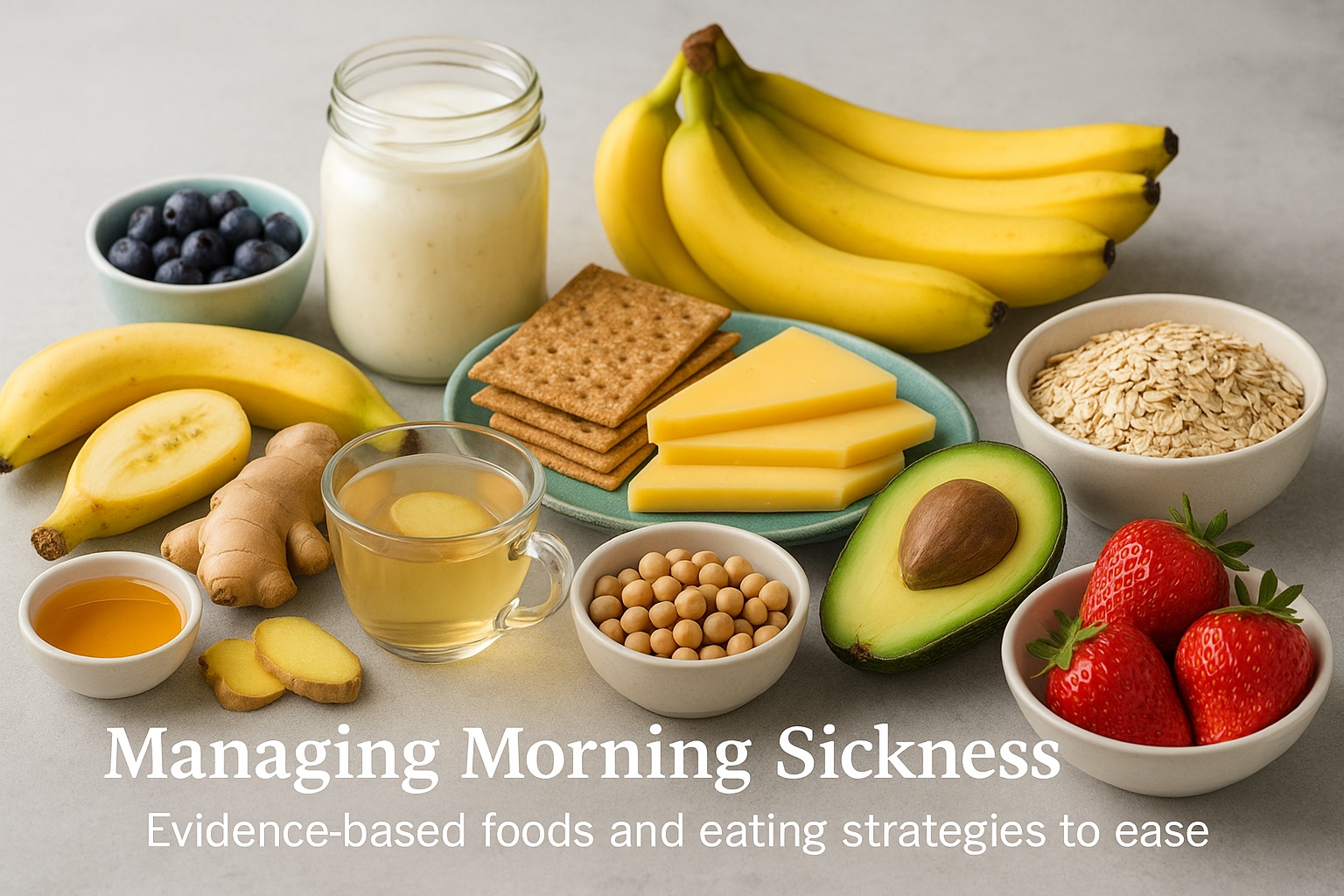
Morning sickness—characterized by nausea and vomiting—affects up to 70–80% of pregnant women, particularly during the first trimester. While the exact cause is still under study, rising levels of human chorionic gonadotropin (hCG) and estrogen are likely contributors. Fortunately, dietary strategies backed by research can help manage the discomfort.
1. Why Diet Matters
While there’s no universal cure for morning sickness, evidence suggests that specific foods and eating habits can reduce the severity of symptoms. Nutritional strategies also help prevent dehydration and maintain stable blood sugar levels—both crucial during early pregnancy.
2. Evidence-Based Dietary Strategies
Eat Small, Frequent Meals
Large meals may worsen nausea by overloading the digestive system. Instead, aim for small meals or snacks every 2–3 hours. This helps stabilize blood glucose and prevent an empty stomach, which often triggers nausea.
High-Protein Snacks
Studies show that protein-rich meals reduce nausea more effectively than high-carb or high-fat meals. Try these:
- Hard-boiled eggs
- Greek yogurt
- Nut butters on whole grain toast
- Cheese with crackers
Ginger as a Natural Remedy
Multiple clinical trials support the use of ginger (250 mg 3–4 times daily) to reduce nausea and vomiting in pregnancy. Try:
- Ginger tea
- Ginger chews or candies
- Fresh grated ginger in soup or stir-fry
Cold or Bland Foods
Strong smells can trigger nausea, especially early in pregnancy. Cold foods like fruit, yogurt, or smoothies may be easier to tolerate than hot, fragrant dishes.
Vitamin B6 (Pyridoxine)
According to the American College of Obstetricians and Gynecologists (ACOG), Vitamin B6 (10–25 mg three times a day) can reduce nausea. Natural food sources include:
- Bananas
- Avocados
- Whole grains
- Chickpeas
Stay Hydrated
Drink small sips of water throughout the day—especially between meals rather than with food. Try electrolyte-rich fluids, lemon water, or clear soups if plain water triggers nausea.
3. Foods to Avoid
- Greasy or fried foods
- Strong-smelling meats
- Spicy dishes
- Caffeinated beverages in large amounts
4. When to Seek Help
If nausea and vomiting are severe or persistent—resulting in weight loss, dehydration, or inability to eat—consult your healthcare provider. You may be experiencing hyperemesis gravidarum, which requires medical treatment.
Conclusion
Morning sickness can be challenging, but the right diet may provide significant relief. Prioritize small meals, hydration, and protein, and lean on evidence-based remedies like ginger and Vitamin B6. Always consult a healthcare professional before taking supplements.
FAQ
- Can I take ginger supplements during pregnancy?
- Yes, up to 1 gram per day (in divided doses) is generally considered safe, but always check with your doctor first.
- What if I can't keep any food down?
- Try sipping liquids like broth or electrolyte drinks. If vomiting persists for more than 24 hours, seek medical advice immediately.
- Does morning sickness harm the baby?
- Mild to moderate morning sickness does not harm the baby and may even be linked to positive pregnancy outcomes. However, severe cases like hyperemesis gravidarum require treatment.
- Is it normal to feel worse in the afternoon or evening?
- Yes, despite the name, "morning sickness" can happen at any time of the day due to hormonal fluctuations.
It takes a village to raise a child !
Join our Facebook Group For 2026 SG Mummies or Facebook Group 2027 SG Mummies
Link to our WhatsApp groups can also be found in the Facebook group
Subscribe to Our Newsletter to get important information about pregnancy and parenting.