Morning Sickness During Pregnancy: What Helps, What Is Normal and When to Seek Help
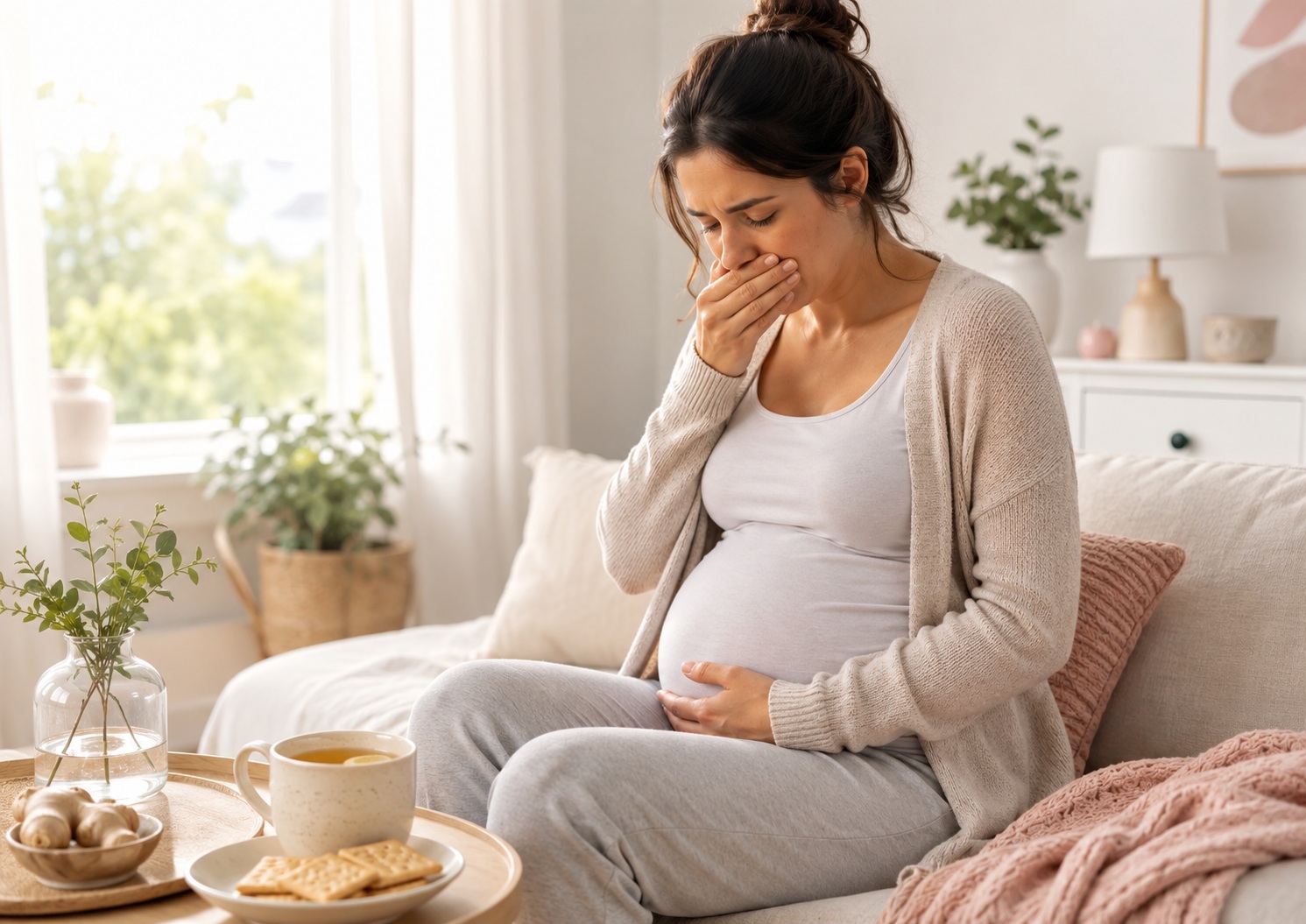
Morning sickness is one of the most common early pregnancy symptoms. Despite its name, it does not only happen in the morning. Some pregnant women feel nauseous after waking up, while others feel sick in the afternoon, evening or throughout the day.
For many women, morning sickness is mild and improves after the first trimester. However, for some, nausea and vomiting can affect eating, drinking, sleep, work and daily life. Severe cases may lead to dehydration or weight loss and need medical treatment. Pregnancy nausea should not be dismissed as “just part of pregnancy”.
What Is Morning Sickness?
Morning sickness refers to nausea and vomiting during pregnancy. Healthcare professionals may also call it nausea and vomiting of pregnancy, or NVP.
It usually starts in early pregnancy, commonly before 9 weeks, and often improves by the second trimester. However, some women may continue to experience symptoms for longer. The Royal College of Obstetricians and Gynaecologists defines nausea and vomiting of pregnancy as symptoms that start before 16 weeks of pregnancy when there is no other medical cause. Morning sickness can happen at any time of the day, so the term can be misleading. [1] [2]
What Causes Morning Sickness?
The exact cause is not fully understood, but pregnancy hormones are believed to play an important role. Changes in human chorionic gonadotropin, also known as hCG, oestrogen and other pregnancy-related hormones may contribute to nausea and vomiting. A stronger sense of smell, tiredness, stress, low blood sugar and certain foods or smells may also make symptoms worse for some women. [3]
Morning sickness is not usually caused by something the mother did wrong. It is a common pregnancy symptom and can vary greatly from one pregnancy to another.
Common Symptoms of Morning Sickness
- Feeling nauseous, especially on an empty stomach
- Vomiting once or several times a day
- Loss of appetite
- Sensitivity to smells
- Dislike of certain foods
- Feeling worse when tired, hungry or stressed
- Difficulty eating full meals
Some pregnant women feel better after eating small amounts of food, while others may find that even the smell of food triggers nausea.
Is Morning Sickness Harmful to the Baby?
Mild to moderate morning sickness usually does not harm the baby, especially if the mother can still drink fluids, eat some food and maintain hydration. However, severe and persistent vomiting can become serious if it leads to dehydration, electrolyte imbalance or significant weight loss. [4]
If you are unable to keep fluids down, are losing weight or feel very weak, you should contact your doctor, gynae or maternity care provider.
What Is Hyperemesis Gravidarum?
Hyperemesis gravidarum is a severe form of pregnancy sickness. It is more serious than normal morning sickness and may require medical treatment, sometimes including intravenous fluids, medication and monitoring.
Signs may include:
- Vomiting many times a day
- Unable to keep food or fluids down
- Weight loss
- Signs of dehydration, such as very dark urine or passing very little urine
- Dizziness, faintness or extreme weakness
- Fast heartbeat or feeling very unwell
Getting help early is important. The NHS advises pregnant women with severe nausea and vomiting to seek medical help early to reduce the risk of dehydration and weight loss. [5]
What Can Help Morning Sickness?
1. Eat small, frequent meals
An empty stomach can make nausea worse. Instead of three large meals, try eating small meals or snacks throughout the day. Plain, starchy foods such as crackers, toast, rice, noodles, potatoes or plain biscuits may be easier to tolerate.
2. Eat something before getting out of bed
If nausea is worse in the morning, keep plain crackers or dry biscuits near your bed. Eating a small amount before standing up may help some women.
3. Avoid strong smells and trigger foods
Many pregnant women become more sensitive to smells. If hot food smells make nausea worse, try cooler meals, simple sandwiches, fruit, yoghurt or food prepared by someone else. The NHS suggests avoiding foods or smells that make you feel sick and eating plain foods that are high in carbohydrate and low in fat. [6]
4. Sip fluids little and often
Drinking a large amount at once may trigger vomiting. Try taking small sips frequently. Water, oral rehydration drinks, clear soup, diluted juice or ice chips may be easier to manage. If plain water makes you nauseous, try adding lemon slices or drinking it cold.
5. Get enough rest
Tiredness can worsen nausea. Rest when possible, especially during the first trimester. If you are working, caring for another child or managing household responsibilities, ask your partner or family for practical help.
6. Try ginger, if suitable for you
Ginger may help some women with nausea. Options include ginger tea, ginger biscuits or ginger capsules. However, check with your doctor before taking ginger supplements, especially if you have bleeding issues, are taking blood-thinning medication or have a medical condition.
7. Ask your doctor about vitamin B6
Vitamin B6, also known as pyridoxine, is commonly used for nausea and vomiting in pregnancy. ACOG states that vitamin B6 is a safe over-the-counter treatment that may be tried first for nausea and vomiting of pregnancy. Some women may also be advised to take doxylamine together with vitamin B6, depending on their symptoms and doctor’s assessment. [7]
8. Do not suffer silently if symptoms are affecting daily life
If diet and lifestyle changes are not enough, speak to your gynae or doctor. There are anti-nausea medicines that may be used during pregnancy when clinically appropriate. Your doctor can assess whether your symptoms are due to normal pregnancy sickness or another condition.
When Should Pregnant Women Seek Medical Help?
Contact your doctor, gynae or maternity care provider if you experience any of the following:
- You cannot keep fluids down
- You vomit repeatedly throughout the day
- Your urine is very dark or you pass very little urine
- You feel dizzy, faint or very weak
- You are losing weight
- You have abdominal pain, fever, headache or diarrhoea
- Your vomiting starts suddenly after being well
- You are worried that your symptoms are not normal
Severe vomiting may not always be due to morning sickness. Your doctor may need to check for dehydration, urinary tract infection, stomach infection, thyroid issues or other medical causes.
What Partners Can Do to Help
Morning sickness can be physically and emotionally draining. Partners can support pregnant mothers by:
- Preparing simple meals or buying food she can tolerate
- Keeping strong-smelling food away if it triggers nausea
- Helping with housework, childcare and errands
- Reminding her to sip fluids regularly
- Accompanying her to medical appointments if symptoms are severe
- Taking her symptoms seriously instead of saying “it is normal”
Emotional support matters. A pregnant woman who is vomiting daily may feel frustrated, guilty or anxious. Reassurance and practical help can make a big difference.
Morning Sickness and Work
For working pregnant women, morning sickness can be difficult to manage, especially if symptoms are worse during commuting or office hours. Practical steps may include:
- Keeping plain snacks at your desk
- Drinking fluids throughout the day
- Avoiding strong-smelling pantry food where possible
- Taking short rest breaks when nausea is severe
- Discussing temporary adjustments with your employer if symptoms are affecting work
If symptoms are severe, ask your doctor whether medical leave, medication or further assessment is needed.
FAQ: Morning Sickness During Pregnancy
When does morning sickness usually start?
Morning sickness often starts in early pregnancy, commonly before 9 weeks. It may improve after the first trimester, although some women experience symptoms for longer.
Can morning sickness happen at night?
Yes. Morning sickness can happen at any time of the day or night. Some women feel worse in the evening or when they are tired.
Does no morning sickness mean something is wrong?
No. Not every pregnant woman experiences morning sickness. Some women have very mild symptoms or none at all and still have a healthy pregnancy.
What foods are best for morning sickness?
Many women tolerate plain, dry or starchy foods better, such as crackers, toast, rice, noodles, potatoes and biscuits. Small, frequent meals may be easier than large meals.
Is medication safe for morning sickness?
Some medicines can be used during pregnancy when recommended by a doctor. Vitamin B6 is commonly used as an initial option. If symptoms are severe or persistent, speak to your gynae or doctor before taking medication.
When is vomiting during pregnancy serious?
Vomiting may be serious if you cannot keep fluids down, are passing very little urine, feel dizzy or weak, are losing weight or vomit many times a day. Seek medical advice promptly.
Key Takeaway
Morning sickness is common, but that does not mean pregnant women should simply endure it. Mild symptoms may improve with rest, small frequent meals, avoiding triggers and sipping fluids. However, severe nausea and vomiting can lead to dehydration and weight loss, and medical help should be sought early.
If you are pregnant and worried about your symptoms, speak to your gynae, doctor or maternity care provider. Getting help early can make pregnancy safer and more comfortable.
References
- [1] American College of Obstetricians and Gynecologists, Morning Sickness: Nausea and Vomiting of Pregnancy.
- [2] Royal College of Obstetricians and Gynaecologists, Pregnancy Sickness and Hyperemesis Gravidarum.
- [3] Mayo Clinic, Morning Sickness: Symptoms and Causes.
- [4] Mayo Clinic, Morning Sickness: Diagnosis and Treatment.
- [5] NHS, Severe Vomiting in Pregnancy.
- [6] NHS, Vomiting and Morning Sickness in Pregnancy.
- [7] ACOG, Morning Sickness: Nausea and Vomiting of Pregnancy.
It takes a village to raise a child !
Join our Facebook Group For 2026 SG Mummies or Facebook Group 2027 SG Mummies
Link to our WhatsApp groups can also be found in the Facebook group
Subscribe to Our Newsletter to get important information about pregnancy and parenting.