Prenatal Anxiety Is on the Rise:How Moms Are Coping Differently Today
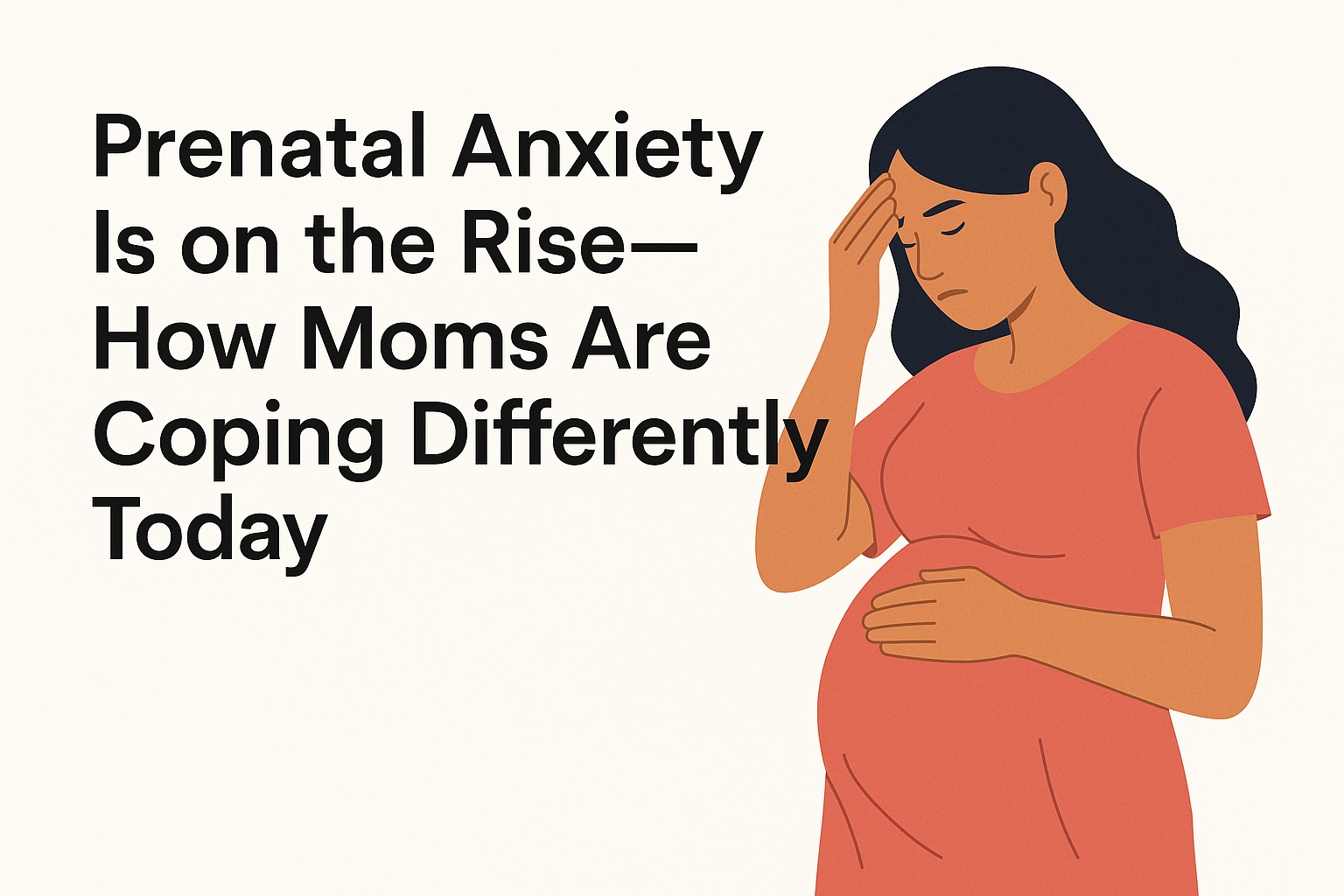
Pregnancy is often described as a time of joy, but for many women, it's also a time of growing anxiety. From health concerns to financial stress, prenatal anxiety is becoming more common among expecting mothers. In fact, recent studies show that up to 1 in 4 pregnant women experience significant levels of anxiety during pregnancy. What's changing is how moms are learning to recognize, talk about, and manage this anxiety in healthier, more proactive ways.
What Is Prenatal Anxiety?
Prenatal anxiety refers to excessive worry, fear, or stress during pregnancy. While it's normal to feel nervous about childbirth or becoming a parent, persistent and overwhelming anxiety can interfere with sleep, appetite, and overall well-being.
Common symptoms include:
- Racing thoughts about the baby's health
- Difficulty sleeping or relaxing
- Constant “what if” fears
- Physical symptoms like headaches, heart palpitations, or nausea
Why Is It Increasing?
- Information overload: Social media, parenting forums, and health websites can fuel anxiety rather than ease it.
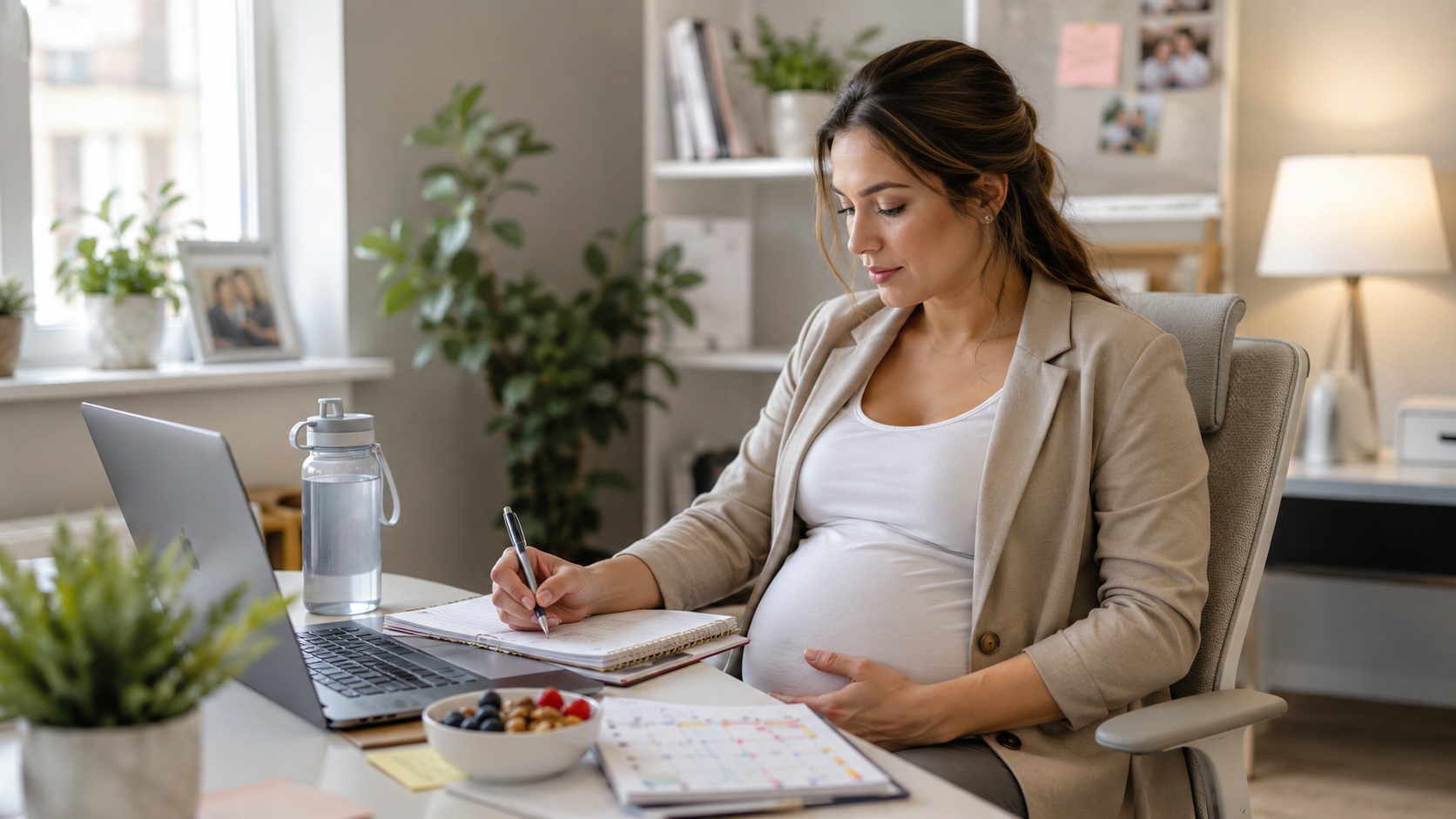
- Work-life pressures: Many women balance demanding jobs with pregnancy, worrying about leave policies, job security, and career progression.
- Late-age pregnancies: With more women having children in their 30s and 40s, concerns about risks and complications often rise.
- Pandemic aftershocks: COVID-19 introduced new fears about prenatal care, hospital safety, and social isolation—some of which still linger.
How Modern Moms Are Coping Differently
1. Seeking Professional Help Sooner
More women are openly discussing their mental health with OB-GYNs and therapists. Prenatal counseling and perinatal psychologists are now part of many maternity care teams.
2. Embracing Mindfulness and Meditation
Mindfulness practices like breathing exercises, pregnancy-safe yoga, and guided meditation apps are helping moms stay present and reduce rumination.
3. Building Digital Support Networks
From WhatsApp groups to Instagram moms, pregnant women are creating online communities for validation, advice, and emotional connection.
4. Limiting Exposure to Negative Content
Many moms now consciously reduce their consumption of alarming birth stories or unverified health posts by setting digital boundaries.
5. Talking About It
The stigma around mental health is slowly fading. More influencers, doulas, and prenatal educators are normalizing conversations about anxiety and emotional vulnerability.
When to Seek Help
Occasional worry is part of pregnancy, but if anxiety starts to affect daily functioning, relationships, or causes panic attacks, it's time to seek help. Talk to your doctor about:
- Cognitive Behavioral Therapy (CBT)
- Pregnancy-safe medication options
- Mind-body therapy referrals
- Local or online support groups
Final Thoughts
Anxiety during pregnancy doesn't mean you're not grateful, excited, or ready to be a mom—it means you're human. Today's mothers are redefining what strength looks like during pregnancy: not by pretending to be fearless, but by learning how to cope with fear in healthier ways.
If you're pregnant and struggling with anxiety, know this: You're not alone. You're not weak. And there is help.
It takes a village to raise a child !
Join our Facebook Group For 2026 SG Mummies or Facebook Group 2027 SG Mummies
Link to our WhatsApp groups can also be found in the Facebook group
Subscribe to Our Newsletter to get important information about pregnancy and parenting.