The Microbiome and Pregnancy: How Gut Health Affects The Development of Your Baby
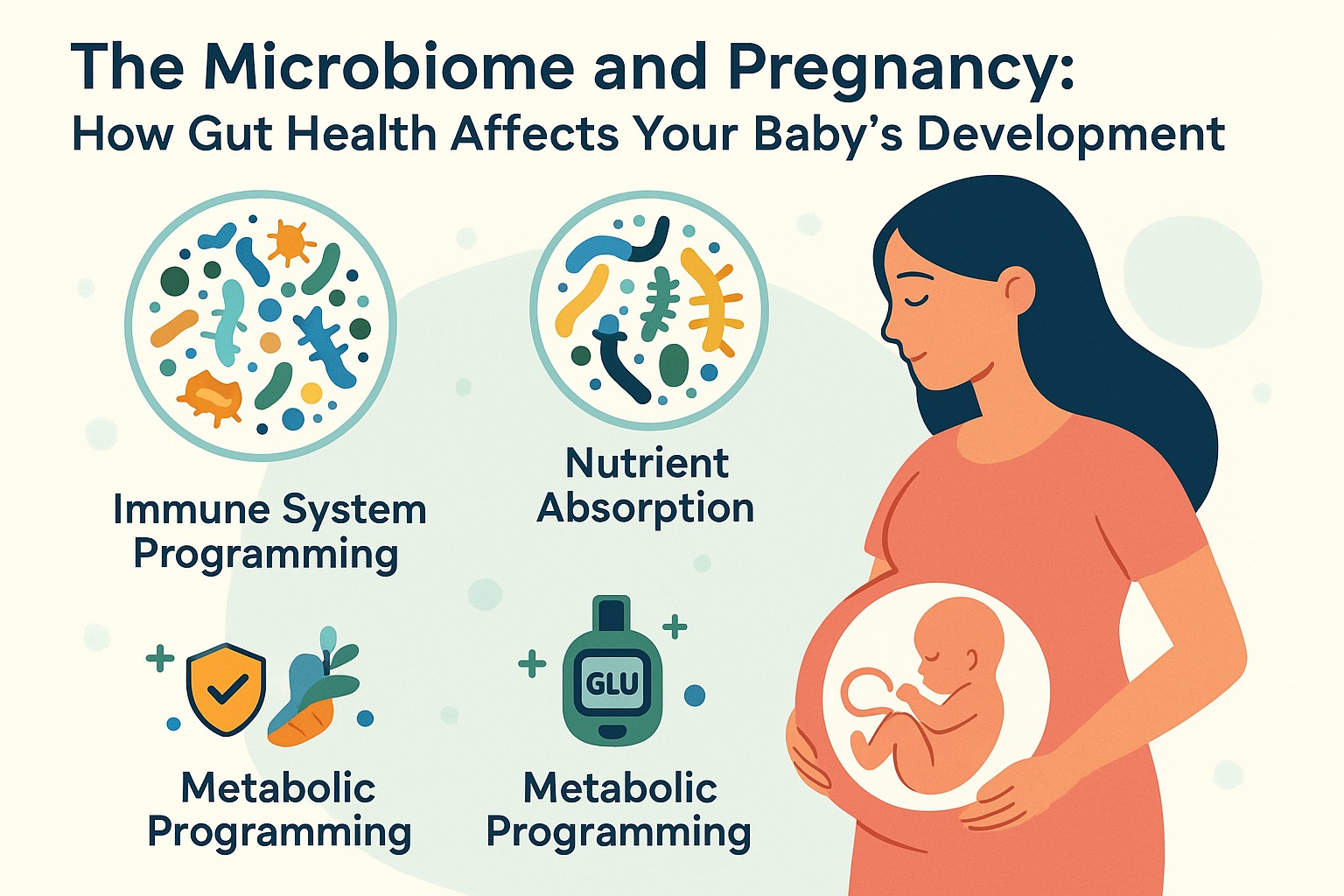
Pregnancy is a time of extraordinary change—not just for the growing baby, but also for the mother’s body and microbiome. Recent scientific breakthroughs reveal that the health of a mother’s gut microbiome can significantly influence fetal development, immunity, and long-term metabolic health.
What Is the Microbiome?
The microbiome refers to the vast community of trillions of bacteria, viruses, fungi, and other microorganisms that live inside and on the human body—especially in the gut. These microbes help with digestion, nutrient absorption, immune regulation, and even mood balance through the gut-brain axis.
During pregnancy, the maternal microbiome undergoes dramatic changes. These shifts are not random—they help the mother’s body adapt and may prepare the baby for life outside the womb.
How Gut Health Influences Fetal Development
Research has shown that the composition and diversity of a mother’s gut bacteria can shape key aspects of her baby’s development:
- Immune System Programming: Gut microbes influence maternal immune responses, which in turn affect the fetal immune system. A balanced microbiome helps reduce the baby’s risk of allergies, asthma, and autoimmune diseases later in life.
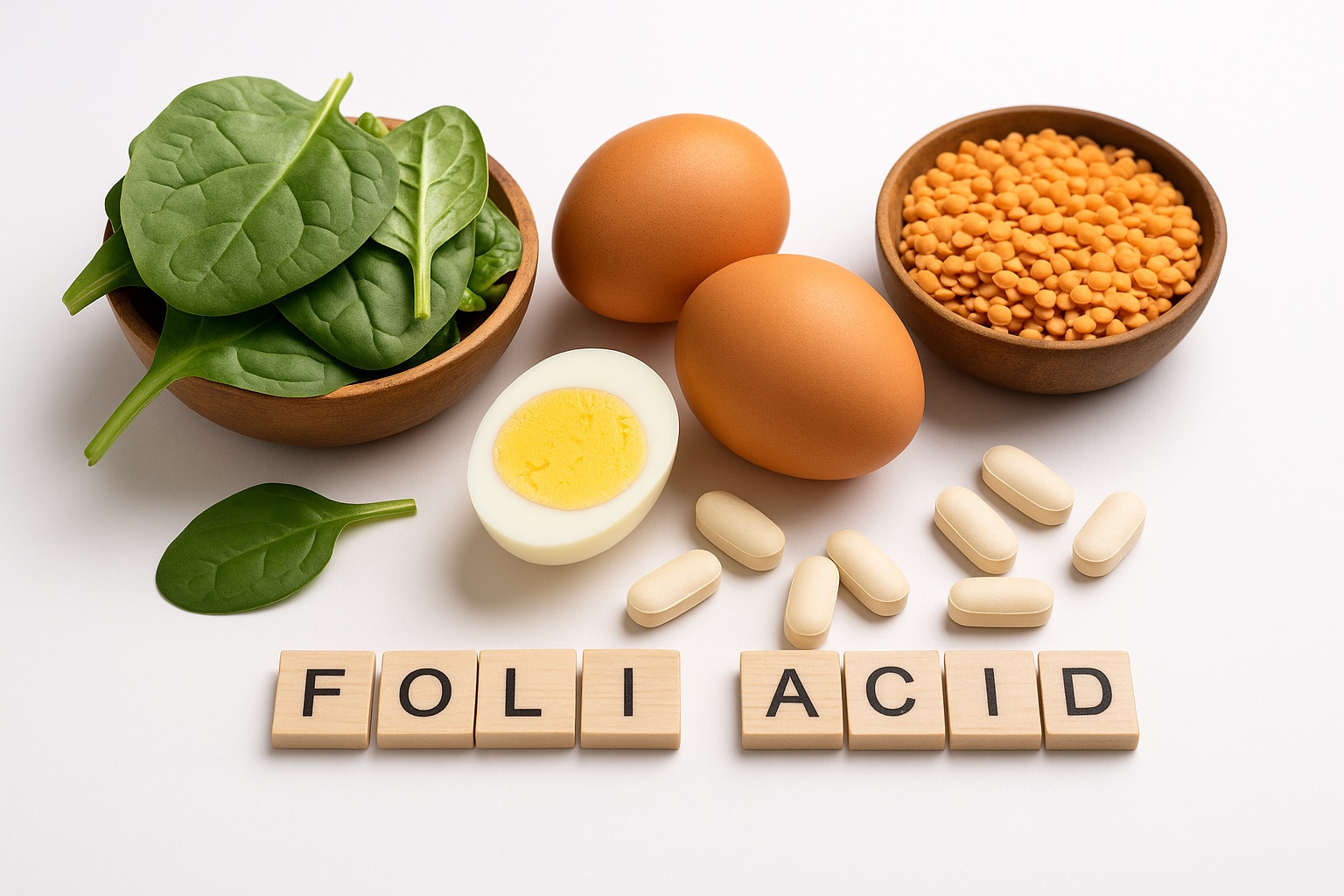
- Nutrient Absorption: A healthy microbiome boosts absorption of critical nutrients like folate, iron, and B vitamins—essential for neural tube development and fetal growth.
- Inflammation Control: Dysbiosis, or microbial imbalance, may contribute to inflammation that’s linked to preterm birth, gestational diabetes, or preeclampsia.
- Metabolic Programming: The gut microbiome affects how the baby processes sugars and fats, potentially shaping future risk for obesity or metabolic disorders.
How the Baby Inherits Microbes
Babies receive their first dose of microbes from their mother—through the placenta, amniotic fluid, vaginal birth, skin contact, and breast milk. This early exposure seeds the newborn’s microbiome, influencing immune development and digestion.
Vaginally delivered babies tend to acquire microbes from the mother’s vaginal and intestinal flora, while C-section babies are initially colonized by skin-associated bacteria. Breastfeeding then helps shape the microbiome further, providing beneficial bacteria and prebiotics.
What Pregnant Mothers Can Do
To support a healthy microbiome during pregnancy, evidence-based practices include:
- Eat Fiber-Rich, Plant-Based Foods: Fruits, vegetables, whole grains, legumes, and fermented foods promote the growth of beneficial gut bacteria.
- Take Probiotics (When Recommended): Certain strains like Lactobacillus and Bifidobacterium may reduce the risk of gestational diabetes and support immune balance. Always consult your healthcare provider.
- Avoid Unnecessary Antibiotics: While lifesaving when needed, antibiotics can disrupt the gut flora. Use only when prescribed and appropriate.
- Manage Stress: Chronic stress can alter gut bacteria via the gut-brain axis. Practices like meditation, sleep, and gentle exercise help.
- Consider Vaginal Seeding (with Caution): For C-section births, this practice aims to transfer vaginal flora to the newborn, but evidence is still emerging, and it should only be done under medical guidance.
Why It Matters
Understanding the role of the microbiome in pregnancy empowers parents to make informed choices that benefit both maternal and infant health. A well-nourished microbiome is not just about digestion—it lays the foundation for a child’s lifelong health.
By nurturing the tiny organisms within, we support the incredible process of growing a strong, resilient human life.
It takes a village to raise a child !
Join our Facebook Group For 2026 SG Mummies or Facebook Group 2027 SG Mummies
Link to our WhatsApp groups can also be found in the Facebook group
Subscribe to Our Newsletter to get important information about pregnancy and parenting.