Bilingualism: How To Mother Tongue Learning
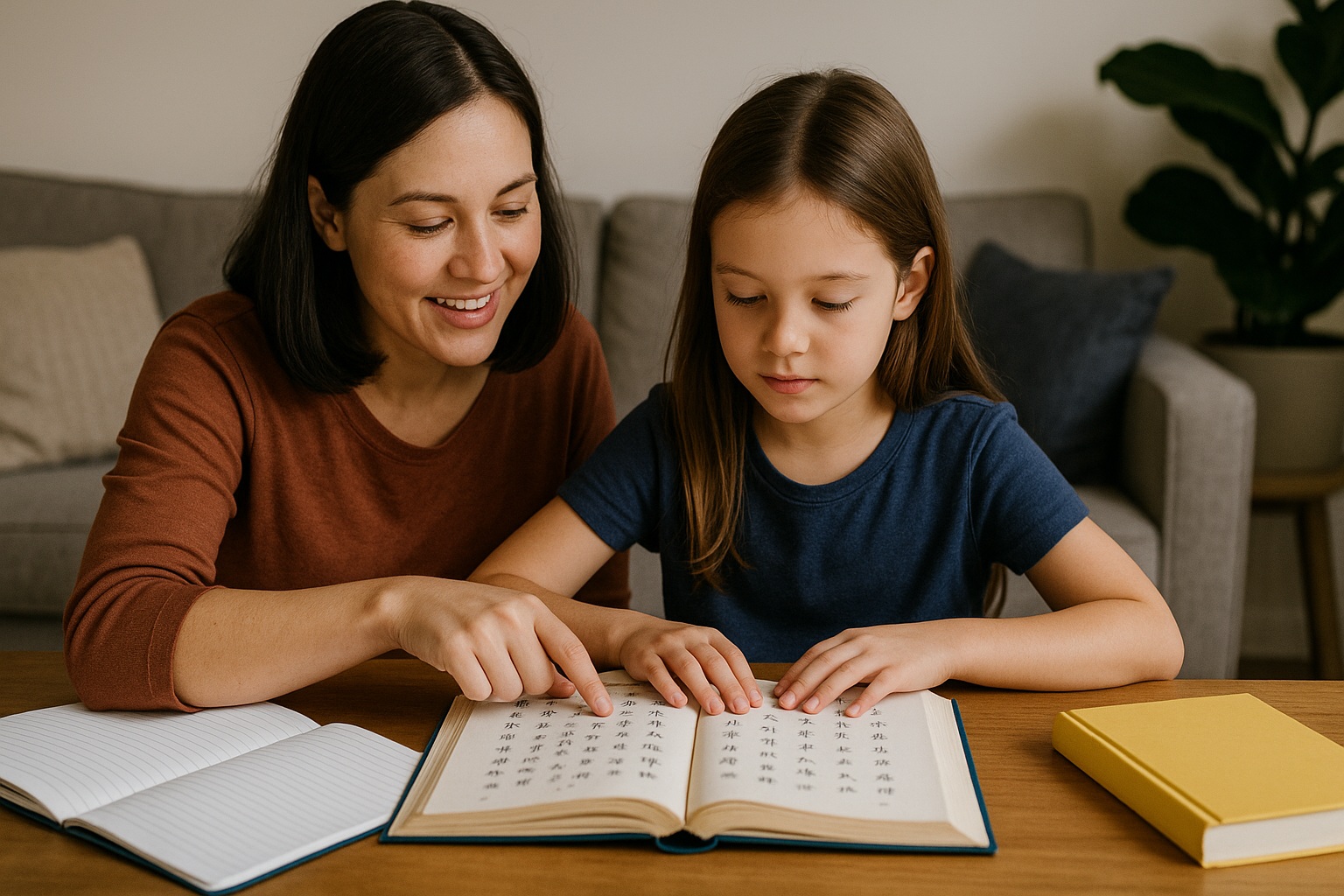
In Singapore’s education system, every child learns English and a Mother Tongue Language (MTL)—Chinese, Malay, or Tamil. For English-speaking or mixed-language households, supporting your child’s MTL learning at home can feel challenging. But it’s possible—even if you’re not fluent in the language yourself.
Why Bilingualism Matters
- Cultural connection: Language is a gateway to heritage and identity.
- Cognitive benefits: Bilingual children tend to develop stronger problem-solving, memory, and multitasking skills.
- Educational requirements: MTL is a compulsory subject through primary and secondary school in Singapore.
1. Create a Language-Rich Environment
Exposure is key. Even if you don’t speak the language fluently, you can build familiarity through daily experiences.
- Play Mother Tongue songs and nursery rhymes at home or in the car
- Use audiobooks or YouTube storytelling channels in Chinese, Malay, or Tamil
- Label household objects with simple vocabulary (e.g., door, water, table)
- Watch cartoons or shows in MTL with subtitles—start with bilingual subtitles if needed
2. Encourage Reading in Both Languages
- Start with picture books that have both English and Mother Tongue text
- Borrow bilingual books from the National Library Board (NLB)
- Set a routine: “one English book, one Mother Tongue book” during bedtime reading
- If you’re unsure of pronunciation, use the NLB mobile app’s read-aloud function or audio tools like Google Translate
3. Use Tech Tools & Apps
Interactive tools can make language learning fun and less intimidating.
- DuoLingo, LingoKids, or Fun Chinese for Kids: Child-friendly language apps with gamified lessons
- Speak Mandarin Campaign resources: Stories, music, and videos for children
- MOE’s SLS (Student Learning Space): Teachers may upload MTL practice materials
4. Involve Family or Community Help
- Invite grandparents or relatives to speak in the Mother Tongue regularly
- Arrange playdates with peers who are fluent
- Join weekend enrichment classes or holiday language camps to boost exposure
- Consider hiring a native-speaking tutor for short, interactive sessions if needed
5. Celebrate Progress, Not Perfection
Some children may resist speaking in their Mother Tongue, especially if they struggle. Stay positive.
- Celebrate small wins—“You said that sentence perfectly!”
- Use praise and avoid comparison with peers
- Focus on building comfort and listening skills before pushing for fluency
Tips for Parents Who Don’t Speak the Mother Tongue
- Learn together! Your interest can motivate your child
- Let your child “teach” you simple words—it reinforces their learning
- Use technology or books with phonetic guides to help with pronunciation
- Show that you value the language even if you don’t speak it
Frequently Asked Questions (FAQ)
1. My child refuses to speak their Mother Tongue. What should I do?
Don't force it. Focus on fun exposure through songs, videos, or games. Praise their effort and model curiosity.
2. We speak only English at home. Will my child fall behind?
Not necessarily. Many English-speaking households support MTL through books, apps, and community. Regular exposure is more important than fluency at the start.
3. Is it too late to start supporting MTL if my child is in Primary 2 or 3?
It's never too late! Children can make rapid progress with consistent support and engaging materials.
4. Should I hire a tutor even in P1?
Only if your child is struggling or if you want additional conversational support. It’s not a must if you’re supporting language at home meaningfully.
5. Are there subsidies for language enrichment classes?
Some enrichment centres accept CDA funds. You may also find affordable options at community centres or PCF Sparkletots branches.
Conclusion
Bilingualism is a journey, not a race. Your support—through everyday experiences, encouragement, and language-rich environments—can make a meaningful difference. Whether you’re fluent or not, what matters most is that your child feels that their Mother Tongue is valued and enjoyable to learn.
Sources
- Ministry of Education Singapore – “Mother Tongue Languages in Schools”
- National Library Board (NLB) – Bilingual Booklists
- Speak Mandarin Campaign – Parent Resources
- Harvard Graduate School of Education – Benefits of Bilingualism
It takes a village to raise a child !
Join our WhatsApp Groups or Facebook Group to interact with parents about student care in Singapore..