Healthy Routines for Primary School Kids in Singapore
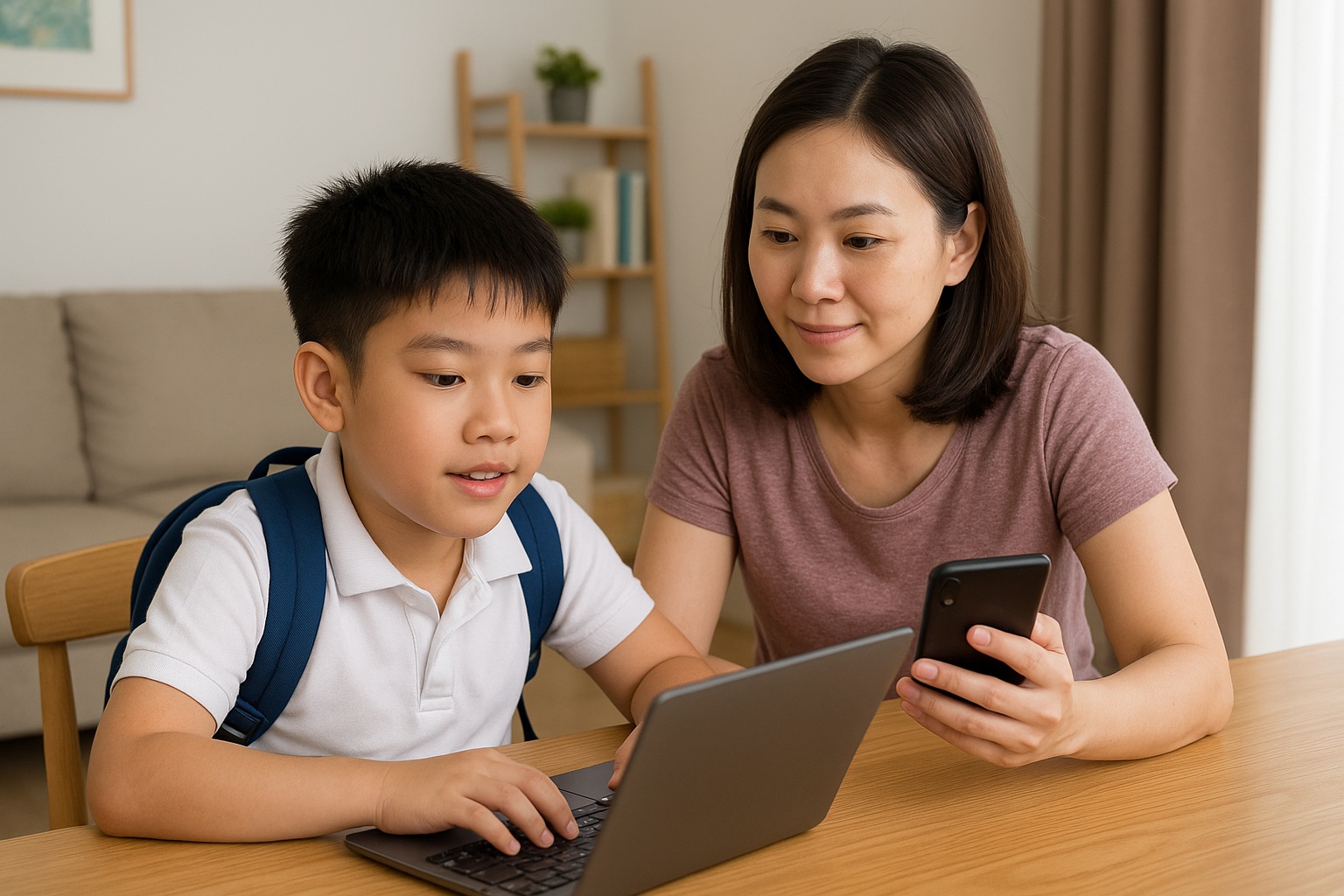
Establishing healthy daily routines is one of the most important ways to support your child’s well-being and academic success in primary school. With structured sleep patterns, screen time boundaries, and balanced after-school activities, children can thrive both inside and outside the classroom. Here's how Singaporean parents can build effective routines that work.
1. Sleep Needs by Age
Children aged 6 to 12 need between 9 to 11 hours of sleep per night, according to health authorities like the Health Promotion Board (HPB) and international bodies like the CDC.
- Recommended bedtime: For kids who wake at 6:30 am for school, bedtime should be between 7:30 pm to 9:00 pm.
- Consistent sleep schedule: Maintain similar sleep and wake times on weekends to avoid “social jet lag.”
- Screen-free wind-down: Stop screen use 1 hour before bedtime. Use bedtime stories, soft lighting, or gentle music to relax the brain.
2. Screen Time Limits
Excessive screen time is linked to poor sleep, reduced attention span, and behavioral issues. MOE encourages mindful media use to complement—not compete with—learning and well-being.
- Recommended limits: For primary-aged children, aim for no more than 1 to 2 hours of recreational screen time per day.
- Educational vs. entertainment: Use screens for learning (e.g., SLS or reading apps), but limit passive consumption like endless YouTube videos or mobile games.
- Create tech-free zones: Designate the dining area and bedroom as no-screen zones to encourage communication and rest.
- Model healthy habits: Children mirror their parents. If you’re scrolling all day, they’ll want to as well.
3. Balanced After-School Schedules
A healthy daily structure after school helps children stay productive without burnout.
Suggested After-School Routine:
- 3:00–3:30 pm: Snack time and rest
- 3:30–4:30 pm: Homework or reading time
- 4:30–5:30 pm: Outdoor play or physical activity
- 6:00–7:00 pm: Dinner and family time
- 7:30–8:00 pm: Shower and bedtime routine
- 8:00–8:30 pm: Storytime or quiet time
Note: Adjust the schedule based on your child's needs and school dismissal time (some end at 1:30 pm, others later due to after-school programmes).
4. Tips to Maintain Consistent Routines
- Use a visual timetable with pictures or drawings for younger kids.
- Review the schedule regularly with your child and involve them in setting priorities.
- Avoid overscheduling with too many tuition or enrichment classes—leave room for play and downtime.
- Stick to a consistent dinner and bedtime to regulate their biological clock.
Frequently Asked Questions (FAQ)
1. What time should a Primary 1 child sleep?
Ideally between 8:00 pm to 9:00 pm, depending on their school start time and how much sleep they need to function well.
2. My child is very energetic and resists bedtime. What can I do?
Create a calming pre-bed routine. Avoid sugary snacks, reduce screen time after dinner, and keep a consistent bedtime every day—even weekends.
3. How much screen time is too much for a 7-year-old?
Keep recreational screen time to under 2 hours daily. Prioritise interactive and educational content over passive watching or gaming.
4. What if my child has homework and tuition every evening?
Strike a balance. Limit enrichment classes to a few days per week. Ensure your child still has unstructured time to relax and play.
5. Can I let my child nap after school?
Yes, a short nap (20–30 minutes) is okay, especially for younger children. Avoid long naps after 5:00 pm, as it may disrupt night-time sleep.
Conclusion
Creating healthy routines for your primary school child doesn’t have to be complicated. Focus on getting enough sleep, managing screen use wisely, and building a predictable yet flexible after-school rhythm. These habits not only support academic success but also promote lifelong physical and emotional well-being.
It takes a village to raise a child !
Join our WhatsApp Groups or Facebook Group to interact with parents about student care in Singapore..