Mindfulness and Emotional Regulation for Young Learners
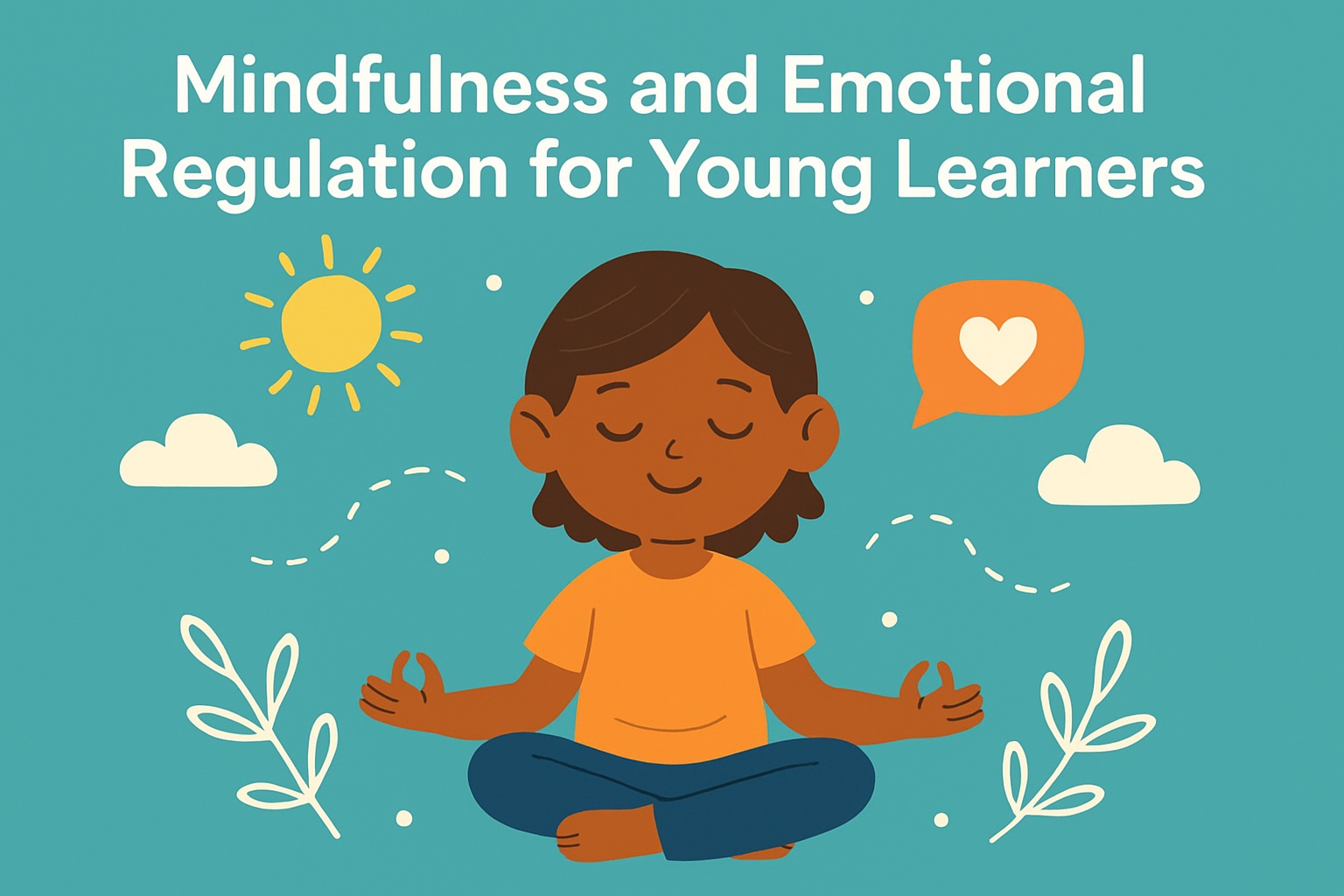
As young children adjust to the routines and expectations of primary school, they may struggle with big emotions—frustration, anxiety, or even sensory overwhelm. Teaching mindfulness and emotional regulation early on helps children manage stress, focus better in class, and build long-term mental well-being.
Why Emotional Regulation Matters
- Improves learning: Children who can self-regulate are more focused and receptive in class.
- Strengthens relationships: Better control over emotions leads to more positive peer interactions.
- Builds resilience: Helps children cope with challenges like transitions, mistakes, and tests.
What Is Mindfulness?
Mindfulness is the practice of being fully present and aware of the moment, without judgment. In children, it can be introduced in fun and age-appropriate ways to develop attention, calm, and empathy.
1. Simple Mindfulness Techniques for Kids
1.1. Five-Finger Breathing
Ask your child to trace the outline of their hand with one finger. As they go up each finger, breathe in; as they go down, breathe out. This combines focus with physical movement.
1.2. Bubble Breaths
Encourage slow, deep breaths as if blowing a bubble. This slows the heart rate and creates a calming visual image.
1.3. "Mind Jar" Activity
Use a clear jar filled with water and glitter. When shaken, the glitter swirls—like a busy mind. As it settles, the child learns that thoughts and feelings can also calm down with time.
1.4. Body Scan
Guide your child to focus on each part of the body, from head to toe. Ask, “How does your neck feel? What about your toes?” This helps ground them in the present.
1.5. Nature Noticing
Go for a walk and ask your child to notice five things they see, hear, smell, feel, or taste. It cultivates awareness and gratitude.
2. Teaching Emotional Vocabulary
Help your child label and understand emotions:
- Use emotion charts with faces and labels (happy, sad, frustrated, etc.)
- Read books with emotional themes (e.g., "The Colour Monster") and ask, “How do you think the character feels?”
- Model emotion-talk: “I’m feeling a little tired today. I think I need a quiet break.”
3. When to Practise Mindfulness
- Before bedtime to wind down
- In the morning before school for a calm start
- After meltdowns, as part of a cool-down routine
- During transitions (e.g., between screen time and homework)
4. Tips for Parents
- Start with short, 1–2 minute practices. Don’t expect long periods of sitting still.
- Practise together—your calm presence helps your child feel safe and engaged.
- Use calming spaces at home with soft lighting, cushions, or sensory items.
- Avoid using mindfulness only as a “fix” during meltdowns—make it a regular habit.
5. Apps and Tools You Can Try
- Smiling Mind: A free mindfulness app with kid-friendly guided sessions
- Headspace for Kids: Offers breathing and visualisation exercises for different ages
- Moshi: Soothing stories and sleep meditations for younger children
Frequently Asked Questions (FAQ)
1. Is mindfulness suitable for young children?
Yes. Even 5- to 7-year-olds can benefit from short, simple activities that help them tune into their thoughts and bodies.
2. What if my child finds it boring?
Make it playful. Use fun props like stuffed toys, glitter jars, or nature walks to keep it interesting.
3. Can mindfulness help with tantrums?
Over time, yes. While it doesn’t stop all emotional outbursts, mindfulness builds the skills needed for calming down and reflecting afterward.
4. How often should we practise?
Daily short sessions (2–5 minutes) are ideal. Even 2–3 times a week can make a difference when consistent.
5. What if I’m not good at mindfulness myself?
That’s okay! Learn together with your child. Your effort matters more than perfection.
Conclusion
Mindfulness and emotional regulation are lifelong tools. By teaching your child how to pause, breathe, and express feelings in a healthy way, you’re setting them up for both academic and emotional success. Start small, stay consistent, and celebrate their progress.
Sources
- Harvard Center on the Developing Child – Self-Regulation in Early Childhood
- Mindful Schools – Techniques for Young Children
It takes a village to raise a child !
Join our WhatsApp Groups or Facebook Group to interact with parents about student care in Singapore..