Pocket Money Management for P1 Students
Pocket Money Management for P1 Students
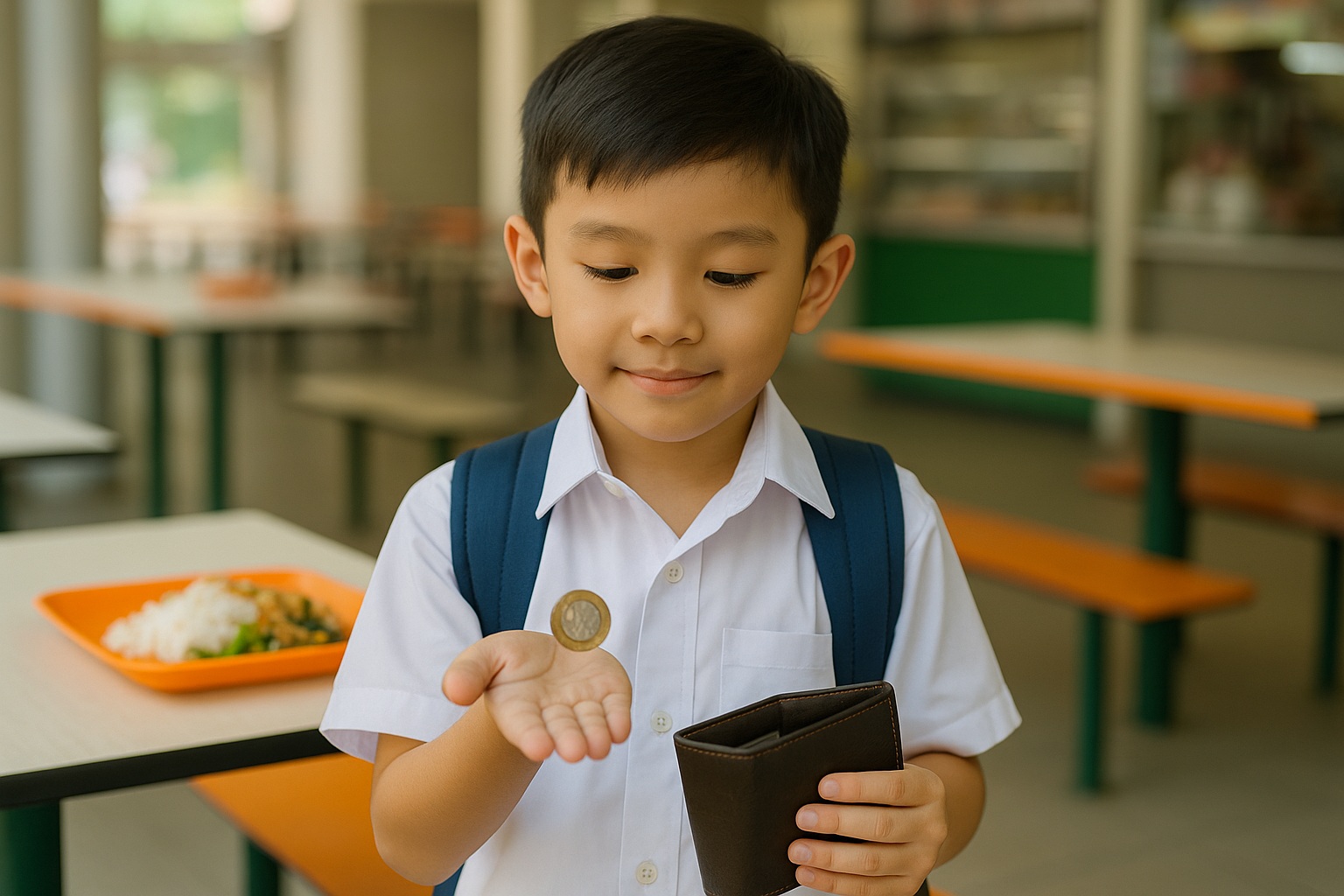
Starting Primary 1 marks not only a shift in academic expectations but also a child's first taste of financial independence. Learning to manage pocket money helps build lifelong skills in budgeting, saving, and responsible spending. Here’s what Singaporean parents should know about giving pocket money to P1 students and how to guide them in using it wisely.
1. How Much Is Enough?
There’s no one-size-fits-all amount, but most Singaporean parents start by giving $2 to $3.5 per day to P1 students. Factors to consider include:
- School schedule: If your child stays only until 1:30 pm, less pocket money is needed compared to a full-day student in student care.
- Food options: Most primary school canteen meals cost between $1.50 and $2.00 for a main dish.
- Extra allowance: Some parents give an extra $0.50 on Fridays or for small treats, but this should be controlled.
2. Teaching Savings and Budgeting Early
Primary 1 is an excellent time to begin financial education in small, practical steps:
- Daily vs. weekly allowance: Start with daily amounts, then gradually shift to weekly allowance to build budgeting skills.
- Savings jar: Encourage your child to save leftover money in a clear jar. Set a small goal, like saving $5 to buy a book or toy.
- Simple tracking: Use a pocket money log (drawn or printed) to let your child mark what they spent each day.
- Delayed gratification: Talk about waiting and saving for things they want rather than buying immediately.
3. Understanding Canteen Prices and Spending Habits
Most school canteens in Singapore keep prices affordable to support families:
- Main dishes: Rice or noodle meals range from $1.50 to $2.00.
- Snacks: Small buns, fishballs, or fruit cups can be found for $0.50 to $1.00.
- Drinks: Milo, soy milk, or packet drinks cost around $0.80 to $1.20.
Help your child understand the value of money by letting them practise buying from hawker stalls or convenience stores under your supervision before school starts.
4. Tips for Parents
- Discuss needs vs. wants: Reinforce the idea that pocket money is for food and essentials, not just treats.
- Start with coins: Giving exact change helps prevent loss and encourages conscious spending.
- Observe early habits: Ask your child what they ate or bought at recess. Guide gently if they overspend or skip meals to buy snacks.
- Set boundaries: Avoid topping up daily unless it's truly necessary, to prevent reliance on “bailouts.”
Frequently Asked Questions (FAQ)
1. Should I give pocket money from Day 1 of Primary 1?
Yes, it’s good to start from the first week to help your child settle into recess routines and learn spending responsibility.
2. What if my child loses their money?
Use this as a learning opportunity. Give a small replacement amount and teach safe-keeping methods (e.g., small coin pouch in front pocket).
3. Can my child use cashless options like Smart Buddy or PayNow?
Yes, many schools partner with POSB Smart Buddy. You can monitor spending and set limits. However, some parents prefer to start with cash for a better grasp of value.
4. How do I teach savings without making money a burden?
Keep it fun and light. Use stories, play money, or reward charts. Praise effort and let them experience the joy of buying something they saved for.
5. What if my child asks for more money because "friends get more"?
Explain that every family is different. Reaffirm your reasons and values behind how much you give, and consider small adjustments only if needed.
6. What if I forget to give my child the pocket money or my child forgets to bring pocket money?
In some primary schools, if your child forgets to bring pocket money, a school staff member may lend them $2 to buy lunch. Just be sure to return the amount to the staff member the following day.
Conclusion
Pocket money may seem small, but it’s a big step toward independence and responsibility for P1 students. By guiding your child to budget, save, and spend wisely, you’re planting the seeds of financial literacy that will benefit them throughout life.
It takes a village to raise a child !
Join our WhatsApp Groups or Facebook Group to interact with parents about student care in Singapore..