
Supporting Your Child Through School Fatigue and Burnout
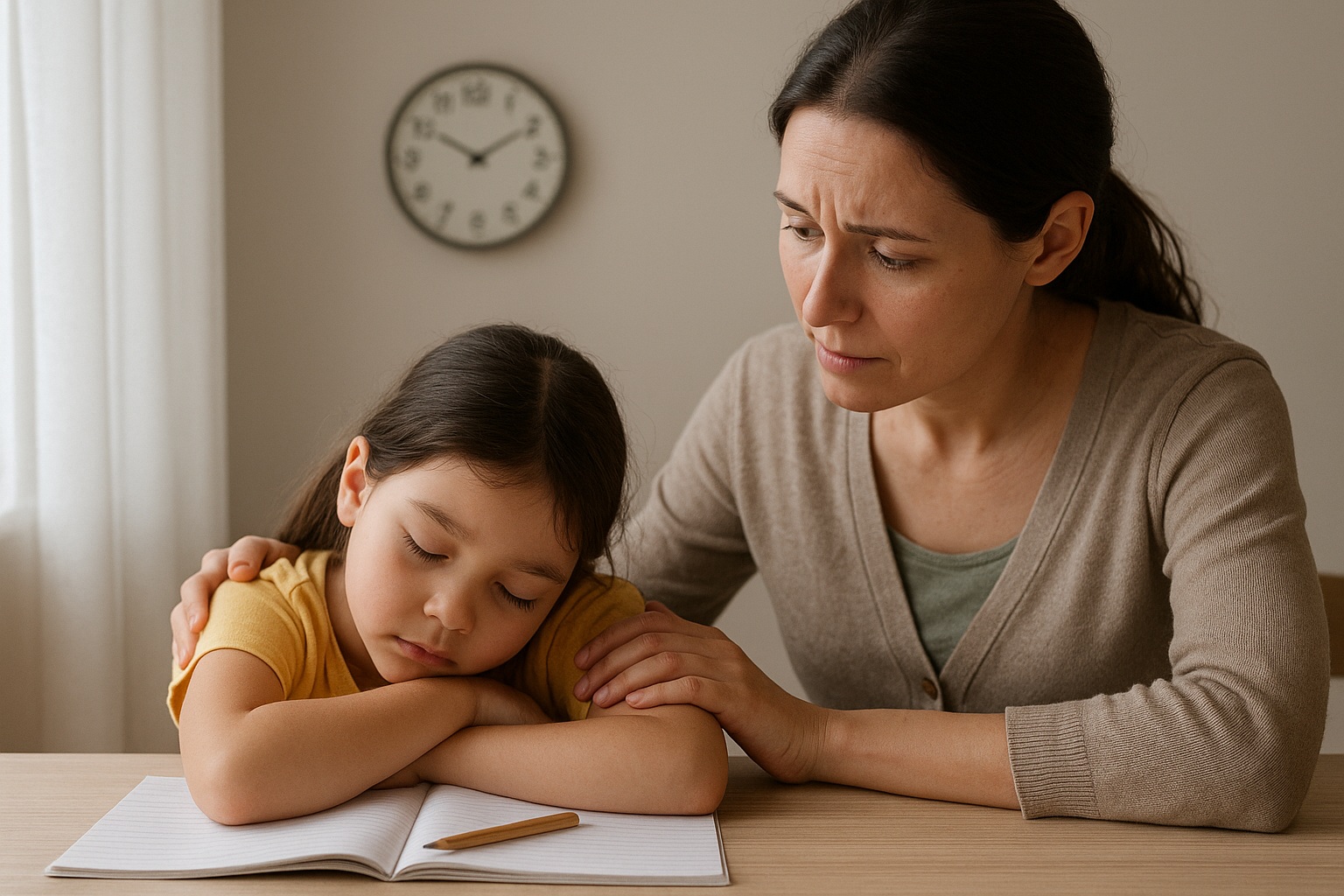
As children adjust to the demands of primary school, some may experience school fatigue—or in more serious cases, early signs of burnout. Recognising the signs early and responding with empathy can prevent long-term stress and help your child build healthy habits.
What is School Fatigue and Burnout?
School fatigue refers to temporary tiredness, boredom, or reluctance towards school activities. Burnout is a more chronic condition where the child feels emotionally drained, overwhelmed, or disengaged from learning.
Common Causes in Primary School:
- Too many academic or enrichment activities
- Inadequate rest or sleep
- Performance pressure from adults or self
- Over-scheduling with little time to play or relax
- Adjustment difficulties in new school environments
Signs of Fatigue and Burnout to Watch For
- Frequent complaints of headaches or tummy aches with no medical cause
- Difficulty waking up or constantly feeling tired
- Loss of interest in schoolwork or favourite activities
- Increased irritability or emotional outbursts
- Daydreaming or lack of focus in class or during homework
- Decline in academic performance or sudden forgetfulness
What Parents Can Do
1. Check the Daily Load
Review your child’s weekly schedule. Are they rushing from school to tuition and then to bed with no downtime? Consider scaling back.
2. Prioritise Sleep and Nutrition
Children aged 6–9 need 9–11 hours of sleep. Set regular bedtimes and offer nourishing meals to boost energy and mood.
3. Protect Unstructured Time
- Leave space for daydreaming, play, and rest
- Don’t fill every hour with enrichment or academic activities
- Encourage outdoor play and hobbies
4. Talk Without Pressure
Have daily check-ins without judgment. Use open-ended questions like:
- "What made you smile today?"
- "What was something tricky in school?"
Let your child know it’s okay to feel tired or overwhelmed—and that you’ll support them.
5. Teach Stress-Relief Strategies
- Deep breathing or simple mindfulness activities
- Drawing, music, or journaling to express emotions
- Setting small goals and celebrating progress
6. Reassess Enrichment Commitments
Cut back on non-essential classes if your child is showing stress. Choose one or two enrichment activities that truly interest them.
7. Partner with the Teacher
If burnout signs persist, speak to your child’s teacher. Teachers can offer insights into classroom behaviour and adjust expectations where needed.
When to Seek Professional Help
Consider talking to a school counsellor or child psychologist if:
- Symptoms persist for more than a few weeks
- Your child withdraws from friends or family
- There are frequent meltdowns or emotional shutdowns
- You observe physical symptoms like panic attacks or insomnia
Frequently Asked Questions (FAQ)
1. Isn’t some stress good for building resilience?
Yes, manageable stress helps children grow—but chronic or intense stress can lead to burnout. The key is balance and support.
2. My child says “I hate school.” What should I do?
Don’t dismiss it. Gently explore why. It could be boredom, fatigue, social issues, or academic pressure.
3. How much “free time” should a P1–P3 child have daily?
Ideally 1–2 hours of unstructured time daily, beyond meals and homework. Weekends should offer even more rest and play.
4. Is school refusal a sign of burnout?
It could be. If your child often tries to skip school with vague symptoms, it’s worth investigating stress or fatigue as a cause.
5. Will slowing down affect my child’s academic success?
Not necessarily. Children who are well-rested and emotionally healthy often learn more efficiently and retain knowledge better.
Conclusion
Burnout isn’t just an adult issue. Young children, too, need balance, emotional support, and time to be children. By recognising the signs early and creating a nurturing home environment, parents can help their children thrive—not just survive—through school.
It takes a village to raise a child !
Join our WhatsApp Groups or Facebook Group to interact with parents about student care in Singapore..