From Confinement Nanny to Postpartum Doula: Why New Parents Are Choosing Modern Support Systems
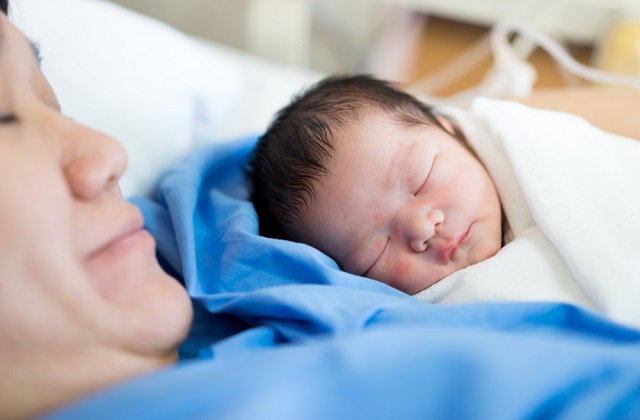
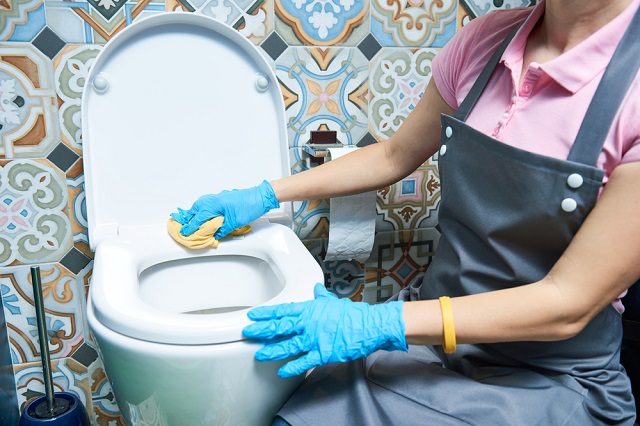
In Singapore and across Asia, the tradition of hiring a confinement nanny—a seasoned woman who provides care and support to a mother during the first month after childbirth—has been a trusted cultural practice for generations. But in 2025, a shift is emerging.
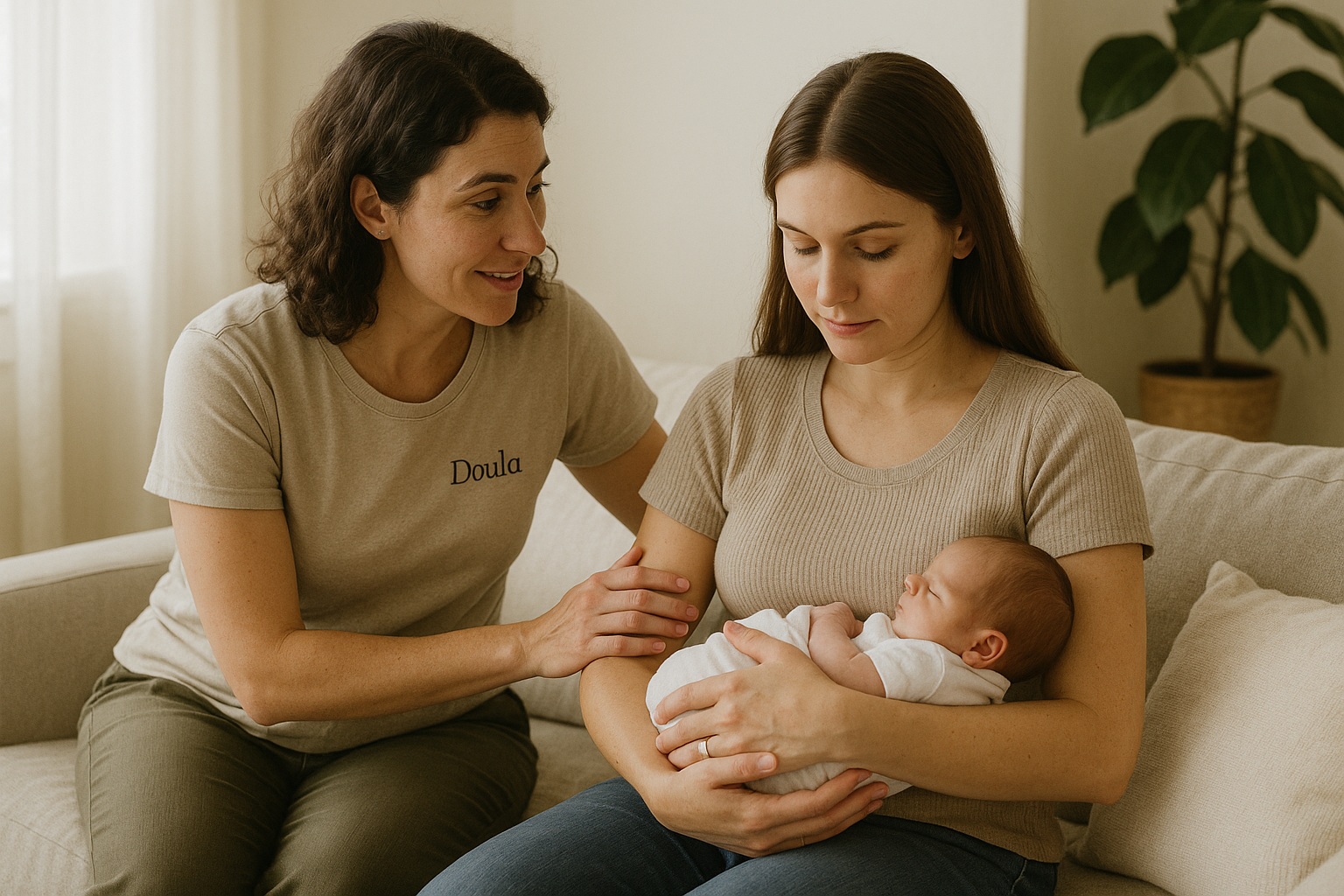
New parents are increasingly turning to postpartum doulas—professionally trained experts in postnatal care. These modern caregivers bring a holistic, evidence-based approach that balances tradition with modern science, empowering parents through education and emotional support.
So What's the Difference?
While both confinement nannies and postpartum doulas assist mothers in the early days after childbirth, the philosophies and practices differ significantly:
| Aspect | Confinement Nanny | Postpartum Doula |
|---|---|---|
| Training | Traditional knowledge, often passed down or informally taught | Certified training in breastfeeding support, maternal mental health, baby care |
| Focus | Cooking confinement meals, bathing baby, ensuring rest | Emotional well-being, education, empowering parents |
| Style | Directive, "do-it-for-you" | Supportive, "teach-you-to-do-it" |
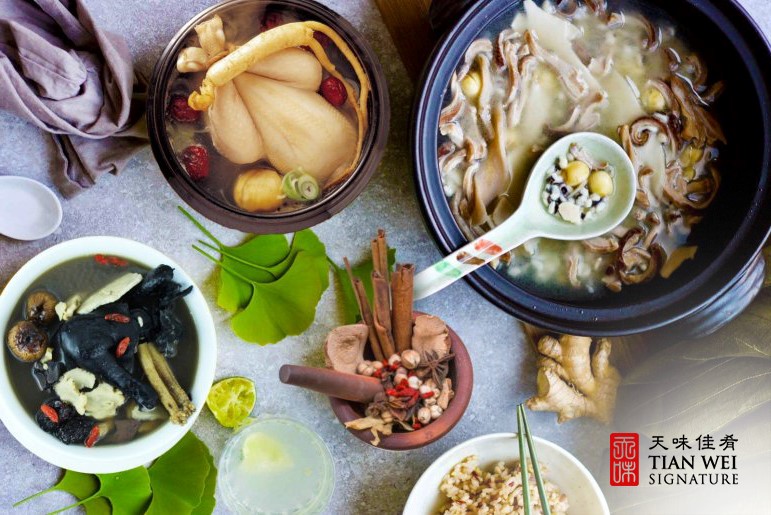
| Diet | Herbal soups, traditional confinement food | Customised to dietary needs, with focus on nutrition and healing |
Why Parents Are Choosing Doulas in 2025
This shift is driven by a new generation of parents who are:
- Highly informed: They do their own research and prefer collaborative support over blind compliance.
- Mental health aware: Postpartum depression, anxiety, and burnout are openly discussed. Doulas are trained to spot early signs and provide emotional first aid.
- Partners-involved: Many dads want to be active caregivers, and doulas often include partners in baby care guidance.
The Pandemic's Influence
COVID-19 changed how we think about birth and postpartum recovery. With restrictions on family visits and a rise in telehealth, the demand for professional, non-intrusive support grew. Postpartum doulas filled this gap—often offering both in-home and virtual visits.
More Than Baby Care: Emotional and Practical Support
Doulas help with more than just newborn routines. Their services often include:
- Breastfeeding support
- Emotional check-ins
- Helping siblings adjust
- Meal planning
- Sleep tips for both baby and parents
"My doula helped me with latching, taught my husband how to burp the baby, and even reminded me to drink water and nap. She made me feel human again," shares Lay Peng, a new mum in Bukit Timah.
Cost Comparison
The cost of a confinement nanny in Singapore can range from SGD 3,000 to 4,500 for a 28-day package. Postpartum doulas typically charge by the hour (SGD 60–100/hr), offering flexibility. Some parents mix both services—starting with a nanny, then transitioning to a doula for continued guidance.
How to Choose
If you're unsure which is right for you, consider:
- Do you want someone to take over, or someone to guide you?
- Is emotional and educational support important to you?
- Do you plan to be hands-on or delegate more care?
Many parents now consult both types of caregivers before deciding—sometimes combining both to enjoy the best of tradition and modern care.
Looking Ahead
As postpartum support continues to evolve, expect to see even more professional standards, cross-cultural integration, and mental health training. Doulas are also starting to offer support beyond the first month—up to six months postpartum or even during the fourth trimester.
Conclusion
The postpartum period is one of transformation—for both the parent and the family. Whether you go the traditional route or embrace modern support, the most important thing is that you feel nurtured, not judged. And that you're not alone.
It takes a village to raise a child !
Join our WhatsApp Parenting Chat Groups By Area in Singapore.
Subscribe to Our Newsletter to get important information about pregnancy and parenting.